Qatar Rice Market: Why Gulf Catering Sector Drives Premium Basmati Demand
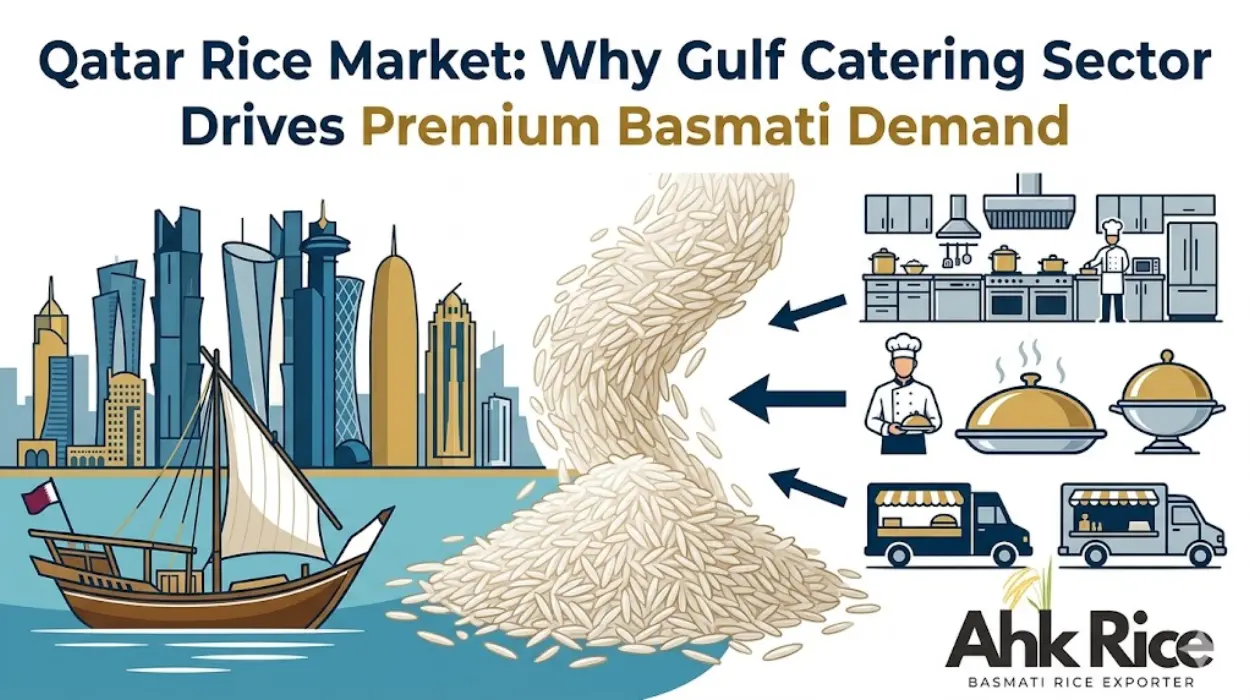
Qatar rice market demand comes from large-scale catering contracts, hotel dining, airline kitchens, and institutional food supply chains. Premium Basmati rice dominates this demand because long grain length, aroma retention, and cooking stability support Gulf catering operations serving thousands of meals daily. Here is why: Qatar imports most of its rice supply, GCC consumers prefer aged Basmati, and HORECA buyers prioritize consistency during bulk cooking.
Why does the Qatar rice market depend on premium Basmati rice?
Qatar imports over 90% of its rice supply, and premium Basmati dominates hotel, airline, and catering procurement because long grains, aroma retention, and volume expansion improve large-scale meal service efficiency.
Qatar rice market structure depends on imports because domestic rice cultivation remains absent due to arid climate conditions. Food distributors source rice from Pakistan and India to support supermarkets, catering groups, restaurants, and government food programs. Pakistan supplies premium Basmati varieties including 1121, Super Kernel, and 1509 because these varieties perform consistently in Gulf cooking conditions.
Qatar catering rice demand increased after tourism expansion and hospitality infrastructure development linked to international sports events and commercial growth. Hotels in Doha serve large buffet systems daily. Airline kitchens prepare thousands of rice portions every shift. Corporate catering companies supply labor camps and institutional kitchens across industrial zones.
Premium rice Qatar buyers prioritize three measurable specifications:
- 8.30 mm+ grain length
- 2.5x cooking expansion
- 12–24 months aging period
Aged Basmati performs better during bulk cooking because moisture stabilizes during storage. Stable moisture prevents grain breakage and clumping inside industrial steam kettles.
GCC basmati import patterns show Pakistan remains a major supplier because Punjab produces naturally aromatic long-grain rice under Himalayan water systems. Punjab cultivation regions including Gujranwala, Hafizabad, Sheikhupura, and Sialkot produce export-grade Basmati through canal irrigation and controlled harvesting practices.
According to Pakistan Bureau of Statistics, rice exports to GCC countries increased consistently during FY2024-25 due to strong HORECA demand and population growth in Gulf states (source: Pakistan Bureau of Statistics, FY2024-25).
Qatar’s dependence on premium Basmati establishes the market foundation, and the next question is how Gulf catering operations influence procurement decisions.
How does the Gulf catering sector shape rice demand in Qatar?
Large-scale catering operations require rice with uniform cooking performance, long holding stability, and low breakage because commercial kitchens serve thousands of meals within strict preparation timelines.
Qatar catering rice procurement follows operational efficiency standards instead of retail consumer preferences alone. Commercial kitchens inspect cooking yield, steam absorption, grain separation, and holding performance before approving supply contracts.
Catering companies prepare Kabsa, Mandi, Biryani, and plain steamed rice daily. These dishes require rice that remains separate after cooking and reheating. Premium Basmati maintains grain structure during extended buffet holding periods.
Industrial kitchens compare rice grades using measurable kitchen outputs:
- Cooking expansion ratio
- Broken grain percentage
- Water absorption stability
- Holding time after cooking
- Uniform grain length
1121 Basmati dominates premium catering demand because extra-long grains create visual presentation value inside buffet trays and plated dishes. Steam rice grades serve luxury hotels because softer texture supports fine dining applications. Golden Sella grades serve labor catering because parboiled processing improves shelf stability and resistance to overcooking.
Golden Sella lasts longer than Steam rice. In 40°C Gulf warehouse conditions, Golden Sella maintains stable storage quality for 18 months. Steam rice performs best within 12 months under controlled storage. Catering distributors handling large inventory volumes prefer Golden Sella because rotation cycles remain longer.
Qatar airline kitchens also prefer premium Basmati because grain separation remains stable after reheating inside aircraft meal systems. Low-grade rice becomes sticky during reheating cycles and reduces presentation quality.
Rice procurement decisions in Qatar depend on processing performance, which leads directly to the next question about how premium Basmati reaches export markets.
How is premium Basmati processed for the Qatar rice market?
Premium Basmati processing includes cleaning, dehusking, polishing, grading, sorting, aging, and packaging because export markets require consistent grain quality, food safety, and cooking stability.
Punjab rice mills process export-grade Basmati through controlled production systems. Processing begins after harvesting during October and November. Farmers dry harvested paddy to stable moisture levels before dispatching loads to rice mills.
How does the Basmati processing chain work?
Rice mills process premium Basmati through sequential quality stages:
- Clean the paddy to remove dust, straw, and stones
- Dehusk the grain using rubber roll shellers
- Separate brown rice from husk residues
- Polish the grain to improve appearance
- Grade by grain length and broken percentage
- Sort using optical color sorting machines
- Age the rice in controlled warehouses
- Test moisture and purity levels
- Pack according to export specifications
Each stage affects final cooking quality. Improper drying creates grain cracking. Weak grading increases broken percentages. Inconsistent polishing reduces market appearance.
What processing grades supply Qatar catering buyers?
1121 Steam Basmati Rice
1121 Steam rice undergoes steam treatment without full parboiling. Steam processing preserves soft texture and natural aroma. Premium hotels and fine dining restaurants select this grade for plated presentation and luxury buffet service.
Key specifications include:
- 8.30–8.40 mm grain length
- Low chalky grain percentage
- Soft cooking texture
- High aroma retention
1121 Golden Sella Basmati Rice
1121 Golden Sella rice undergoes parboiling before milling. Parboiling strengthens grain structure and improves storage durability. Labor catering companies and bulk kitchens prefer this grade for operational stability.
Key specifications include:
- Extra-long grain elongation
- High resistance to overcooking
- 18–24 month shelf stability
- Strong grain separation
Readers comparing these two grades in Qatar catering operations can explore a detailed explanation through the article discussing differences between steam-treated and golden Basmati for Gulf kitchens.
What certifications apply to Qatar rice exports?
Exporters certify rice shipments according to Gulf food safety requirements. Qatar importers inspect documentation before customs clearance.
Common certifications include:
- ISO 22000 certification
- HACCP food safety compliance
- Phytosanitary certification
- Fumigation certification
- Health certification
- Halal compliance documentation
Laboratory teams test rice for moisture, broken percentage, foreign matter, and purity before shipment dispatch.
With processing and certifications explained, the next question is why Qatar buyers consistently choose Pakistani Basmati over commodity rice alternatives.

Why does Pakistani Basmati dominate GCC basmati import demand?
Pakistani Basmati dominates GCC imports because Punjab cultivation regions produce naturally aromatic long grains with strong elongation, lower breakage, and cooking characteristics preferred in Gulf cuisine.
Punjab geography supports Basmati cultivation through fertile soil, canal irrigation, and seasonal temperature variation. Himalayan water systems contribute mineral-rich irrigation conditions that influence grain aroma development.
Basmati rice differs from standard long-grain rice because the grain elongates during cooking instead of expanding outward. This elongation creates premium visual presentation in Gulf cuisine.
Qatar buyers inspect several technical specifications before procurement:
- Average grain length
- Broken percentage
- Moisture percentage
- Whiteness level
- Cooking elongation ratio
Pakistani 1121 Basmati delivers some of the longest export grains globally. Extra-long grain appearance supports premium restaurant positioning across Doha hospitality markets.
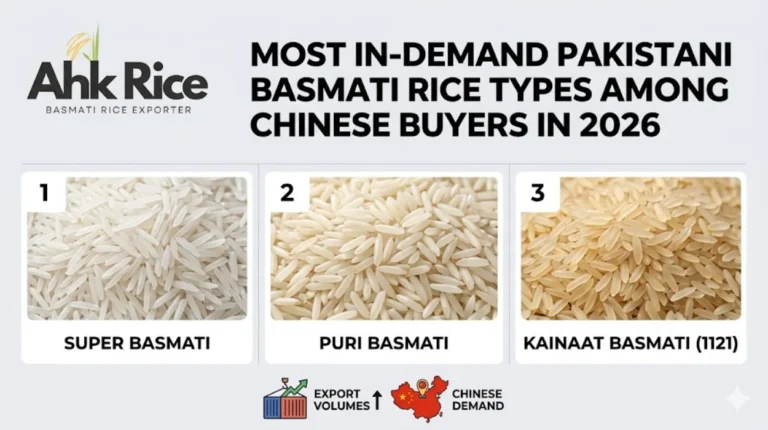
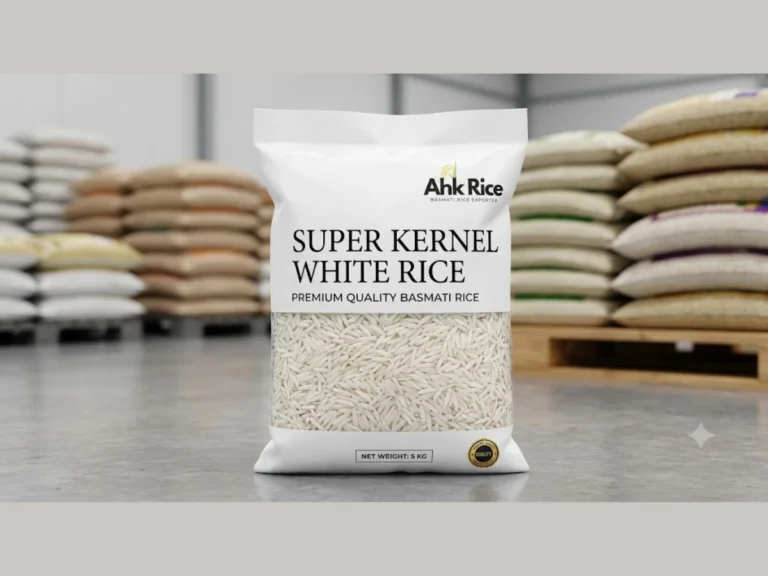
Super Kernel Basmati remains popular in traditional Gulf households because aroma concentration remains strong after cooking. 1509 Basmati gains demand because shorter crop cycles support competitive export pricing.
GCC basmati import volumes increase during Ramadan and Hajj seasons because catering operations expand meal production for religious gatherings and hospitality demand. Rice distributors increase procurement months before these periods to stabilize inventory availability.
According to REAP export data, GCC countries remain among the largest regional destinations for Pakistani Basmati exports because Gulf consumers maintain long-term preference for aromatic rice varieties (source: REAP export data, December 2025).
Pakistani Basmati dominance explains market preference, and the next question focuses on operational benefits for Qatar catering businesses.
What benefits does premium rice provide for Qatar catering operations?
Premium Basmati improves meal presentation, cooking consistency, storage efficiency, and portion yield because long grains maintain separation and stable texture during high-volume food service operations.
Qatar catering companies calculate rice performance using operational metrics instead of retail branding. Premium rice reduces waste during cooking and serving cycles.
Long-grain Basmati increases cooked volume. A single batch serves more portions because grains elongate significantly during cooking. Higher expansion improves food cost efficiency across institutional kitchens.
Premium rice Qatar buyers also prioritize holding stability. Buffet systems require cooked rice to remain visually attractive for several hours. Low-grade rice becomes sticky and compressed under steam-table heat.
Key catering benefits include:
- Higher cooked yield
- Lower grain breakage
- Longer buffet holding stability
- Better aroma retention
- Improved plate presentation
Golden Sella performs strongly in labor camp catering because parboiled grains resist overcooking during mass preparation. Steam rice performs strongly in hotel dining because softer texture supports premium plated meals.
Airline kitchens prefer consistent grain dimensions because automated portioning systems require uniform rice flow during packaging operations.
Retail supermarkets also benefit from premium Basmati demand because expatriate communities in Qatar purchase aged rice for household cooking. South Asian and Arab consumers specifically search for extra-long aromatic rice grades.
Benefits explain the operational value of premium Basmati, and the next question addresses common misconceptions affecting rice procurement decisions.
What misconceptions affect premium rice procurement in Qatar?
Price-focused purchasing creates quality problems because low-cost rice increases cooking losses, inconsistent texture, and buffet presentation failures during large-scale catering operations.
Some importers prioritize low invoice prices instead of total operational performance. Cheap rice often contains high broken percentages and inconsistent grain sizing. These defects reduce cooking stability.
Broken rice absorbs water unevenly. Uneven absorption creates sticky texture inside industrial cooking systems. Catering kitchens then lose serving consistency across large meal batches.
Another misconception involves storage expectations. Buyers often assume all rice grades maintain equal shelf life. Processing method changes storage performance significantly.
Golden Sella maintains durability longer than Steam rice because parboiling strengthens starch structure before milling. In Gulf warehouse environments without climate control, Golden Sella protects grain quality more effectively.
Another misconception involves aroma intensity. Some buyers believe stronger fragrance indicates better quality automatically. Excessive artificial fragrance treatment damages authenticity and cooking balance. Natural Basmati aroma develops through cultivation conditions and aging periods.
Qatar importers also misunderstand aging cycles occasionally. Freshly milled rice cooks poorly because moisture remains unstable. Aged rice delivers stronger elongation and grain separation.
Common procurement mistakes include:
- Selecting low-grade broken rice
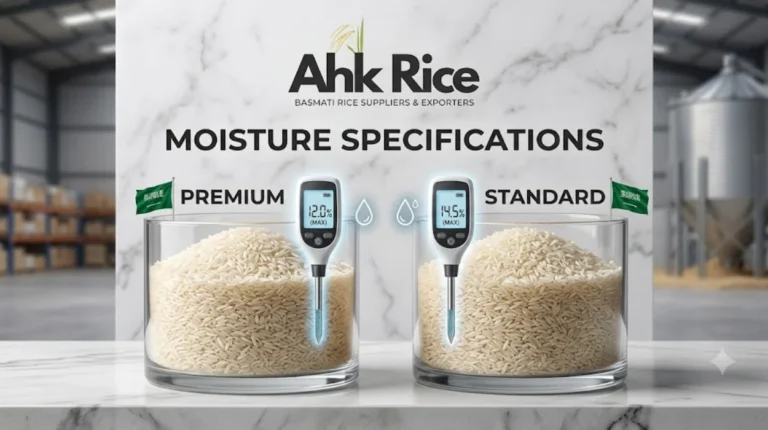
- Ignoring moisture specifications
- Purchasing freshly milled stock
- Overlooking storage conditions
- Comparing Steam and Sella without use-case analysis
Procurement misconceptions clarify why technical knowledge matters, and the final question focuses on future demand trends inside the Qatar rice market.
How will the Qatar rice market evolve in the GCC hospitality sector?
Premium Basmati demand will increase because Qatar hospitality expansion, tourism growth, airline catering, and institutional food supply systems require consistent long-grain rice performance.
Doha hospitality infrastructure continues expanding through hotel projects, tourism investment, and international event hosting. Large catering operators require scalable rice supply chains supporting consistent quality throughout annual contracts.
Food safety regulations across GCC markets also continue tightening. Importers increasingly require documented traceability, laboratory testing, and certified processing systems before approving suppliers.
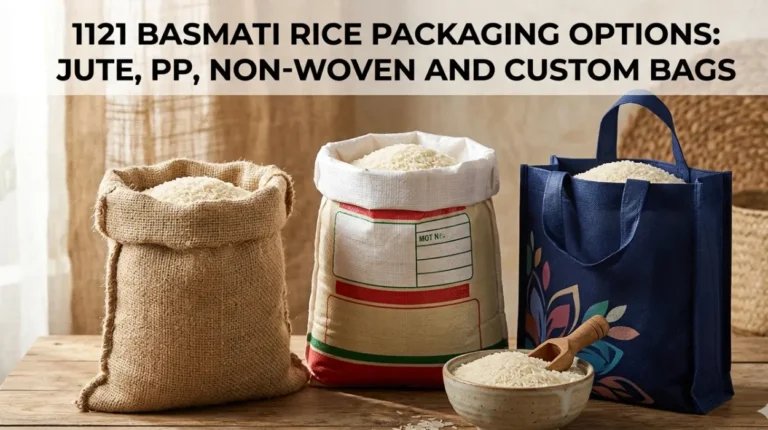
Premium packaging formats also evolve. Qatar distributors increasingly source:
- 5 kg retail packs
- 20 kg catering bags
- 40 kg PP woven sacks
- Custom private-label packaging
Sustainability standards influence procurement decisions as well. Buyers increasingly inspect water management practices, fumigation controls, and warehouse hygiene systems during supplier evaluations.
Digital procurement systems also reshape GCC basmati import operations. Catering companies compare shipment specifications through online procurement platforms before finalizing contracts. Exporters providing standardized specification sheets gain stronger purchasing confidence.
Premium Basmati remains central to Gulf food culture because rice serves as a staple component in hospitality, family dining, institutional catering, and ceremonial meals. Long-grain aromatic rice maintains cultural and operational importance across Qatar’s food economy.
Frequently Asked Questions
Why does Qatar import premium Basmati rice from Pakistan?
Qatar imports premium Basmati rice from Pakistan because Punjab cultivation regions produce naturally aromatic extra-long grains with strong cooking elongation. Pakistani 1121 and Super Kernel varieties match Gulf food preferences for Mandi, Kabsa, and Biryani preparation. Large catering companies also prefer Pakistani Basmati because grain separation remains stable during bulk cooking.
Which Basmati grade works best for Qatar catering companies?
1121 Golden Sella works best for large-scale labor catering because parboiled grains resist overcooking and maintain storage stability in hot Gulf conditions. 1121 Steam Basmati works best for luxury hotels and fine dining because softer texture and aroma improve plated presentation. Buyers select grades according to kitchen operations and storage systems.
How does Golden Sella differ from Steam Basmati rice?
Golden Sella undergoes parboiling before milling, while Steam Basmati receives steam treatment without full parboiling. Golden Sella delivers stronger grain durability and longer warehouse stability. Steam Basmati delivers softer texture and higher aroma retention. Qatar HORECA buyers compare both grades according to buffet service and cooking requirements.
What certifications are required for rice exports to Qatar?
Qatar rice imports require food safety and shipment verification documents before customs clearance. Exporters commonly provide ISO 22000 certification, HACCP compliance, phytosanitary certification, fumigation certification, and health certificates. Importers also inspect laboratory reports covering moisture percentage, broken grain levels, and purity specifications.
Why does aged Basmati rice perform better in Gulf kitchens?
Aged Basmati performs better because controlled storage stabilizes moisture inside the grain. Stable moisture improves cooking elongation and prevents clumping during bulk preparation. Gulf catering kitchens prefer aged rice because grains remain separate during buffet holding and reheating operations.