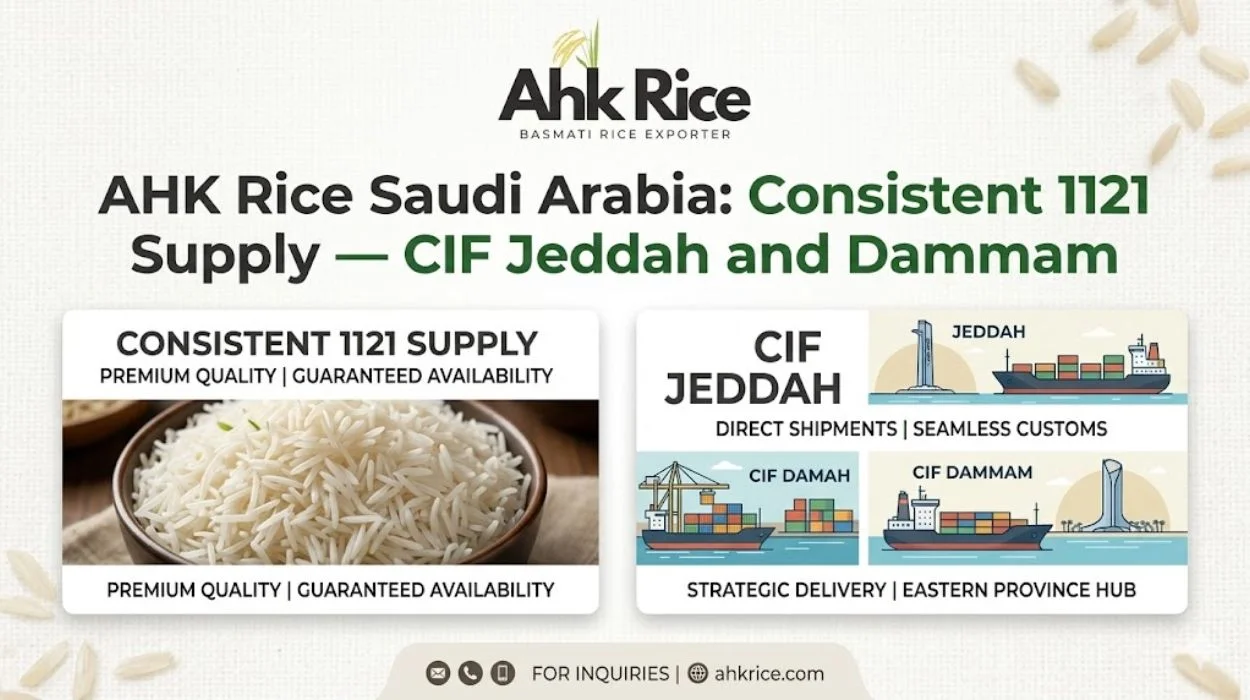
AHK Rice Saudi Arabia: Consistent 1121 Supply — CIF Jeddah and Dammam
Saudi Arabian importers need stable 1121 Basmati supply with reliable shipping timelines, consistent grain specifications, and complete export documentation. Here is why: Saudi Arabia imports more than 600,000 MT of rice annually, and buyers prioritize uninterrupted CIF shipments for Jeddah and Dammam distribution networks (source: REAP export statistics, FY2024-25). Buyers sourcing from Pakistan also require verified milling standards, controlled moisture, and predictable vessel schedules. Learn how Saudi demand continues growing through this overview of Saudi rice consumption patterns at Saudi Arabia’s annual rice import requirements.
AHK Rice supplies 1121 Steam, 1121 Golden Sella, and 1121 White Basmati to Saudi wholesalers, catering distributors, hypermarkets, and private label importers. AHK Rice manages milling, grading, inspection, loading, shipping, and documentation from Pakistan to Jeddah Islamic Port and King Abdulaziz Port Dammam. AHK Rice also maintains specification consistency across repeated shipments, which reduces claim risks for Saudi buyers.
What is the best solution for Saudi Arabian buyers importing 1121 Basmati rice?
Reliable CIF supply requires consistent grain length, controlled moisture below 13%, verified sortex processing, shipment planning within 18–28 days, and export documentation matching Saudi clearance requirements. Saudi distributors reduce delays when suppliers control milling, fumigation, and container loading directly before dispatch.
Saudi Arabian rice importers face three common problems. First, inconsistent grain specifications create customer complaints in retail and catering channels. Second, delayed vessel bookings disrupt supermarket inventory planning. Third, weak export documentation increases customs clearance risks at Jeddah and Dammam ports.
AHK Rice solves these issues through controlled processing and shipment management. AHK Rice cultivates export-grade paddy through contracted farming networks in Punjab, Pakistan. AHK Rice mills rice under calibrated processing systems that maintain grain uniformity and reduce broken percentages.
Why does Saudi Arabia prefer Pakistani 1121 Basmati?
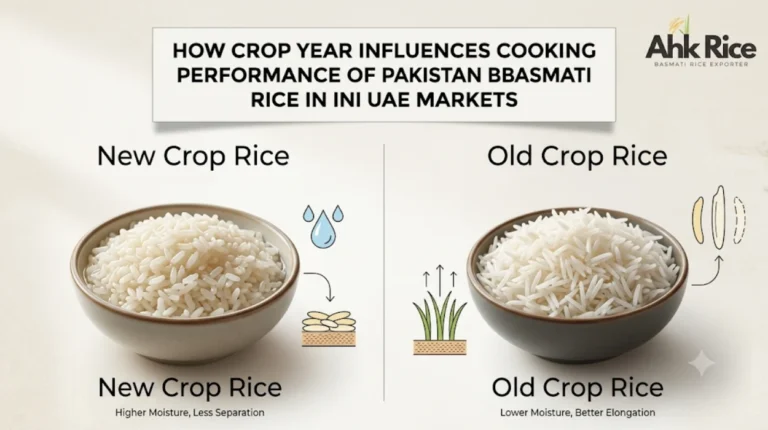
Pakistani 1121 Basmati delivers extra-long grain length between 8.30 mm and 8.50 mm, strong aroma retention, and superior elongation after cooking. Saudi wholesalers also prefer lower procurement costs compared to competing premium origins.
Saudi retail and foodservice sectors prioritize visual appearance after cooking. Pakistani 1121 Golden Sella expands up to twice its dry length during cooking. Pakistani Steam Basmati delivers softer texture for restaurant applications. Saudi catering companies also prefer long shelf life because large warehouses store inventory for extended periods.
Importers comparing origins also evaluate pricing and cooking performance. Pakistani 1121 usually offers better value than Indian 1121 for bulk procurement contracts. Review the detailed market comparison between both origins through this analysis of how Pakistani basmati performs against Indian supply in Saudi Arabia: Saudi buyers comparing Pakistani and Indian basmati origins.
What grades does AHK Rice supply to Saudi Arabia?
AHK Rice supplies 1121 Golden Sella, 1121 Steam, 1121 White, PK 385, Super Kernel, and blended catering specifications for wholesale and foodservice buyers. Each grade matches different cooking, storage, and pricing requirements.
1121 Golden Sella Specifications
| Specification | Value |
|---|---|
| Grain Length | 8.30–8.50 mm |
| Moisture | 13% maximum |
| Broken Grains | 2–5% |
| Purity | 95% minimum |
| Sortex Quality | 100% sortexed |
| Packaging | 5 kg to 50 kg |
| Shelf Life | 18–24 months |
1121 Golden Sella suits Saudi catering distributors because parboiling strengthens grain structure during storage and transport. Golden Sella also tolerates high-temperature warehouse conditions better than White Basmati.
1121 Steam Specifications
| Specification | Value |
|---|---|
| Grain Length | 8.20–8.40 mm |
| Moisture | 13% maximum |
| Broken Grains | 2–5% |
| Purity | 95% minimum |
| Color | Creamy white |
| Packaging | 5 kg to 50 kg |
| Shelf Life | 12–18 months |
1121 Steam Basmati suits Saudi restaurants serving biryani and mandi because the rice cooks softer while maintaining separate grains.
Processing Steps Controlled by AHK Rice
- Clean the paddy before milling.
- De-husk the grain through calibrated rollers.
- Polish the rice for appearance consistency.
- Grade the kernels by size.
- Sort broken grains through precision separators.
- Inspect moisture through laboratory testing.
- Fumigate containers before loading.
- Load export bags under inspection protocols.
- Dispatch sealed containers to Karachi Port.
AHK Rice controls these processing stages internally to reduce specification variation across repeated shipments. With the correct grades established, the next question is why Saudi buyers choose AHK Rice specifically for long-term procurement.
Why choose AHK Rice for Saudi Arabia rice imports?
AHK Rice offers direct mill control, stable export documentation, repeatable grain specifications, flexible packaging, and predictable shipment schedules to Jeddah and Dammam. Saudi importers reduce procurement risk because AHK Rice manages processing, inspection, and logistics internally.
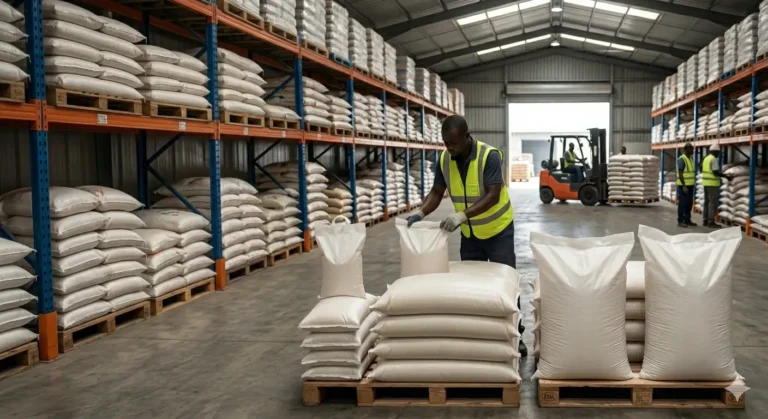
Saudi importers often face shipment inconsistency when exporters outsource milling or container loading. AHK Rice maintains operational control from procurement through dispatch. AHK Rice verifies each shipment through pre-loading inspections and moisture testing before container sealing.
Saudi wholesalers also require suppliers capable of supporting repeated procurement cycles. AHK Rice supports recurring monthly and quarterly contracts for distributors managing supermarket and catering supply chains.
What packaging options does AHK Rice provide?
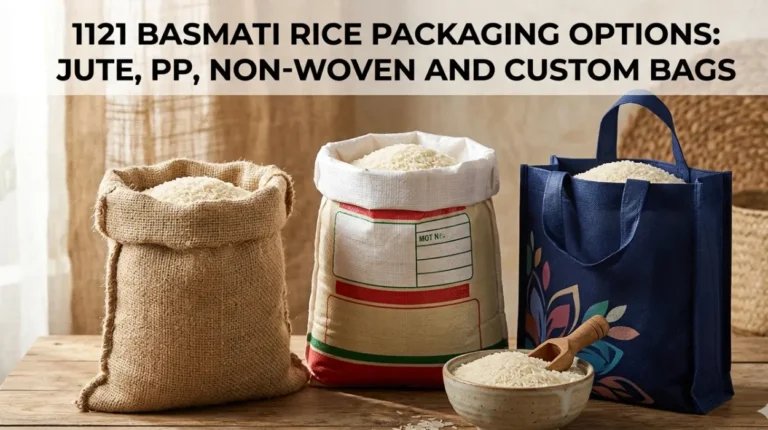
AHK Rice supplies PP bags, non-woven bags, BOPP laminated bags, and private label retail packaging from 1 kg to 50 kg. Saudi importers match packaging formats to wholesale, retail, and institutional distribution channels.
Packaging Options
- PP woven bags
- BOPP laminated bags
- Non-woven premium bags
- Retail carry bags
- Private label packaging
- Bulk catering sacks
- Customized Arabic printing
Saudi supermarket chains prefer branded retail packaging with Arabic labeling. Saudi catering distributors usually select 35 kg or 40 kg woven bags for large kitchens.
How long does shipping take to Saudi Arabia?
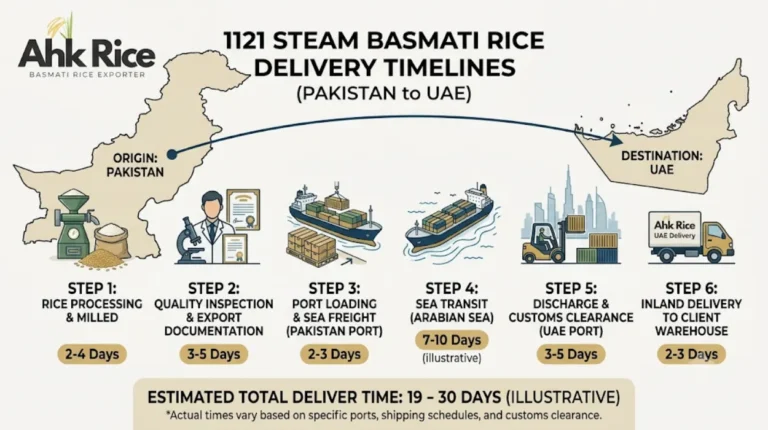
Container shipments from Karachi typically reach Jeddah within 12–16 days and Dammam within 18–28 days depending on vessel routing, customs clearance, and seasonal congestion. Shipment planning improves inventory continuity for Saudi importers.
Average Shipping Timelines
| Destination Port | Transit Time |
|---|---|
| Jeddah Islamic Port | 12–16 days |
| Dammam Port | 18–28 days |
| Riyadh via Dammam | 22–32 days |
Ramadan demand increases shipment pressure because Saudi importers build inventory before seasonal retail spikes. Early vessel booking reduces freight cost volatility during peak periods.
AHK Rice coordinates freight scheduling with shipping partners before dispatch. AHK Rice also shares shipment tracking and documentation copies before vessel departure.

What export documents does AHK Rice provide?
Saudi importers receive commercial invoices, packing lists, phytosanitary certificates, fumigation certificates, certificates of origin, and inspection reports required for customs clearance and distribution approvals.
Export Documentation
- Commercial invoice
- Packing list
- Certificate of origin
- Phytosanitary certificate
- Fumigation certificate
- Bill of lading
- Inspection certificate
Saudi customs procedures move faster when exporters prepare documentation accurately before vessel loading. Documentation accuracy also reduces demurrage costs at destination ports.
With logistics and documentation clarified, the next decision factor is shipment results and buyer outcomes after importing from AHK Rice.
What results can Saudi importers expect from AHK Rice shipments?
Saudi buyers achieve stable grain consistency, lower complaint rates, repeat retail appearance, and dependable delivery scheduling through standardized export processing. Controlled specifications also improve long-term customer retention in wholesale and supermarket channels.
Rice quality consistency directly affects repeat purchasing. Saudi supermarkets reject shipments showing uneven color, excessive broken grains, or moisture instability. AHK Rice maintains repeatable grading standards to support retail shelf consistency.
Saudi catering businesses also prioritize cooking expansion. 1121 Golden Sella delivers high elongation during bulk preparation. Large kitchens reduce wastage because grains remain separate after extended holding periods.
How does AHK Rice maintain quality consistency?
AHK Rice verifies moisture, purity, broken percentage, grain length, and color before every shipment. Quality inspections reduce variation between containers and improve long-term supply predictability.
Quality Controls
- Moisture testing
- Grain length verification
- Broken percentage analysis
- Sortex color sorting
- Packaging inspection
- Container fumigation
- Pre-shipment verification
Golden Sella maintains quality longer than Steam rice in high-temperature Gulf warehouses. In 40°C warehouse environments, Golden Sella usually retains stability for up to 24 months. Steam rice performs best within shorter inventory cycles. Saudi catering importers storing rice in non-climate-controlled facilities usually select Golden Sella because parboiling strengthens grain durability.
What sample process does AHK Rice follow?
AHK Rice dispatches commercial samples within 3–7 days after specification confirmation. Sample costs usually range between $80 and $250 depending on courier destination, sample quantity, and packaging requirements.
Saudi buyers often test cooking expansion, aroma, and grain separation before finalizing contracts. AHK Rice prepares representative production samples matching export specifications.
Sample Process
- Confirm the required grade specification.
- Select representative production stock.
- Pack samples in export-standard packaging.
- Dispatch samples through DHL or FedEx.
- Share tracking details immediately.
- Verify buyer cooking feedback.
- Finalize commercial shipment specifications.
Sample approval reduces misunderstanding during contract negotiations because both parties verify the same specification before production dispatch.
With shipment outcomes established, the next concern becomes pricing and procurement planning.
What factors affect CIF rice pricing for Saudi Arabia?
CIF pricing depends on paddy season, broken percentage, packaging type, freight rates, container availability, and payment terms. Saudi buyers stabilize procurement costs through forward planning and repeat shipment schedules.
Rice pricing changes throughout the export season. Fresh crop availability after harvest often improves procurement flexibility. Freight volatility also affects CIF quotations because container shipping rates fluctuate across Gulf routes.
Which factors increase export pricing?
Premium sortex quality, lower broken percentage, customized packaging, and urgent shipment scheduling increase CIF costs. Buyers controlling specification flexibility usually achieve better procurement pricing.
Main Pricing Factors
- Paddy harvest season
- Grain specification
- Broken percentage
- Packaging material
- Freight charges
- Vessel availability
- Payment structure
Retail-ready BOPP packaging costs more than bulk woven bags because laminated printing and branding require additional processing. Saudi wholesalers targeting institutional buyers often reduce costs through bulk packaging formats.
How do Saudi buyers reduce procurement risk?
Saudi importers reduce supply risk through annual contracts, sample approvals, scheduled dispatch planning, and consistent specification agreements before vessel booking.
Long-term procurement relationships improve shipment predictability. AHK Rice supports scheduled container programs for distributors managing ongoing retail and catering demand.
AHK Rice also shares specification sheets before production begins. This process reduces claim disputes after cargo arrival.
With pricing clarified, the final step is understanding how Saudi importers start procurement with AHK Rice.
How can Saudi Arabian importers start working with AHK Rice?
Saudi buyers begin by confirming grade specifications, packaging requirements, shipment quantity, and destination port. Sample approval and quotation review usually complete the initial procurement process within several business days.
AHK Rice manages procurement support for supermarket distributors, wholesalers, catering suppliers, and private label importers. AHK Rice also assists buyers selecting suitable grades based on retail or foodservice applications.
What information should buyers prepare before requesting a quotation?
Importers should confirm rice grade, packaging type, monthly quantity, destination port, and preferred payment terms before requesting CIF pricing. Clear specifications accelerate quotation accuracy.
Required Buyer Information
- Rice grade selection
- Packaging preference
- Container quantity
- Destination port
- Labeling requirements
- Payment terms
- Shipment schedule
Saudi buyers requiring repeated monthly shipments should also estimate annual volume requirements. Forecast planning improves vessel scheduling and supply continuity.
AHK Rice provides specification sheets, shipment timelines, sample coordination, and export documentation support throughout the procurement process. Contact AHK Rice through the official Saudi export page for direct supply coordination: Basmati rice export services for Saudi Arabia buyers.
Request CIF Jeddah or Dammam pricing directly from AHK Rice through Request a quotation for Saudi Arabia rice imports.
Frequently Asked Questions
How long does AHK Rice take to ship rice to Saudi Arabia?
AHK Rice usually ships containers to Jeddah within 12–16 days after vessel departure from Karachi Port. Dammam shipments generally arrive within 18–28 days depending on routing and customs clearance conditions. Saudi importers planning Ramadan inventory should confirm bookings early because freight congestion increases during peak demand periods.
What is the minimum order quantity for Saudi buyers?
AHK Rice commonly supplies one 20-foot or 40-foot container as the minimum export quantity. Smaller trial quantities are possible through sample shipments. Saudi wholesalers usually order full containers because CIF pricing becomes more competitive with larger shipment volumes.
Which 1121 Basmati grade is best for Saudi catering businesses?
1121 Golden Sella suits Saudi catering operations because the grain remains separate after cooking and handles long storage periods effectively. Saudi mandi and biryani kitchens also prefer Golden Sella because the rice elongates significantly during cooking and reduces serving losses.
Does AHK Rice provide private label packaging for Saudi supermarkets?
AHK Rice supplies customized private label packaging with Arabic printing, retail branding, and supermarket-ready bag designs. Saudi importers can choose BOPP laminated bags, non-woven bags, or PP woven bags depending on their distribution strategy and retail positioning.
What payment terms does AHK Rice offer for Saudi importers?
AHK Rice commonly works with TT payments and Letters of Credit depending on shipment size and contract structure. Saudi buyers managing recurring imports often prefer LC arrangements because banking documentation supports long-term procurement planning and reduces commercial risk.