How Does Documentation Expertise Improve International Rice Imports?
International rice imports become faster, safer, and more cost-effective when documentation is handled correctly. Here is why: accurate export documents reduce customs delays, prevent cargo holds, ensure regulatory compliance, and protect importers from financial losses. For rice buyers importing from Pakistan, documentation expertise directly impacts shipment clearance speed, product traceability, and supply chain reliability.
Rice importers face increasing compliance requirements. Customs authorities require verified origin records, food safety certificates, packing declarations, and trade documents before cargo can clear ports. Documentation errors create demurrage costs, inspection delays, and rejected shipments. Importers that understand documentation requirements gain better control over procurement, inventory planning, and risk management.
Buyers evaluating rice suppliers should first understand the complete export process and compliance chain. A detailed guide on rice traceability and export compliance provides foundational knowledge before comparing supplier capabilities. Understanding rice traceability and export compliance requirements.
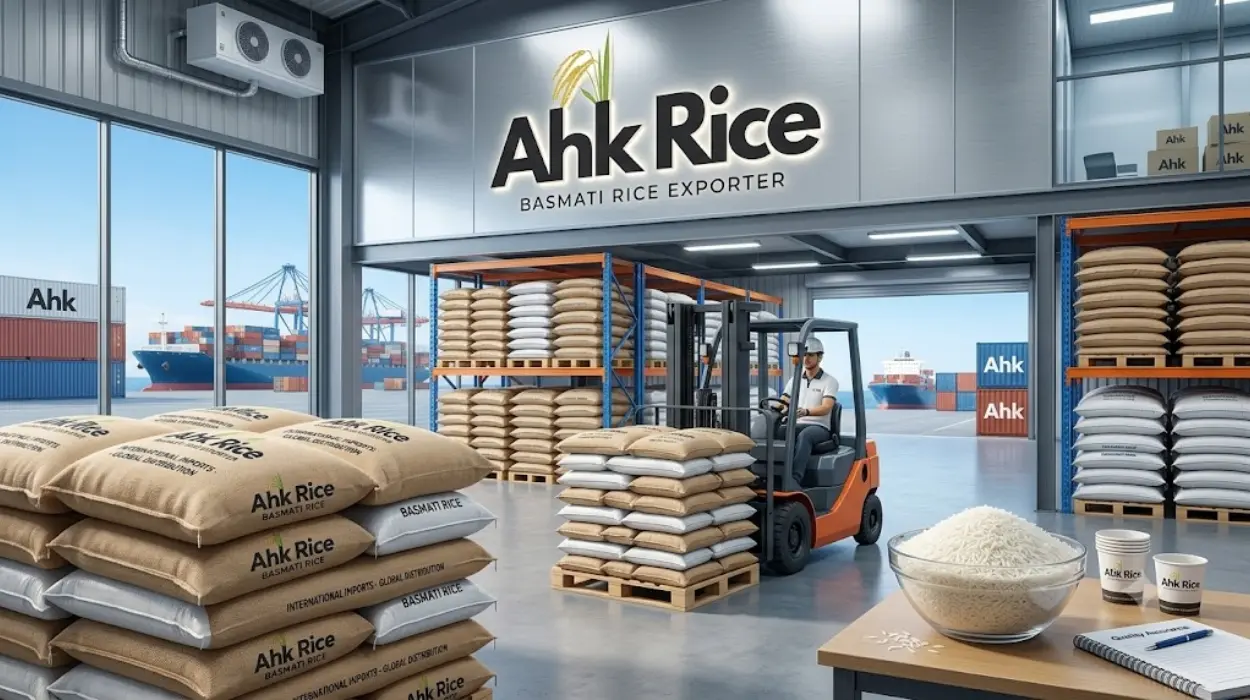
AHK Rice is a Pakistani exporter supplying 1121 Basmati, Super Kernel Basmati, and 1509 Basmati varieties through its comprehensive export support services. (Insert service page link on first mention of AHK Rice service page. The company manages processing, packaging, inspection, certification, and export documentation for buyers across more than 15 countries.
What Documentation Solutions Are Available for International Rice Imports?
Commercial invoices, packing lists, certificates of origin, phytosanitary certificates, quality certificates, and customs declarations form the six core documentation solutions required for successful rice imports.
Documentation solutions vary according to destination market requirements. Importers purchasing Pakistani Basmati rice must verify regulatory requirements before procurement. Each document serves a specific compliance function during customs clearance.
Commercial Documentation
Commercial documentation establishes transaction legitimacy.
Required commercial documents include:
- Commercial Invoice
- Packing List
- Sales Contract
- Bill of Lading
- Insurance Certificate
Customs authorities use these documents to verify shipment value, cargo quantity, and ownership details.
Regulatory Documentation
Regulatory documentation confirms compliance with food safety and agricultural standards.
Required regulatory documents include:
- Certificate of Origin
- Phytosanitary Certificate
- Fumigation Certificate
- Health Certificate
- Quality Inspection Report
Import authorities inspect these documents before cargo release.
Market-Specific Documentation
Different regions require different compliance records.
European buyers frequently require traceability documentation and food safety declarations. Middle Eastern buyers often prioritize phytosanitary compliance and origin verification.
Pakistan exported more than 5 million metric tons of rice during recent export cycles, making documentation accuracy increasingly important for international trade (source: REAP export data, December 2025).
With available documentation solutions established, the next question is how these approaches compare in practice.
How Do Different Documentation Approaches Compare?
Integrated documentation management delivers faster clearance, lower compliance risk, and stronger traceability than fragmented documentation handling.
Importers generally choose between three approaches:
- Internal documentation management
- Third-party export agents
- Exporter-managed documentation
Each approach creates different operational outcomes.
Documentation Approach Comparison
| Attribute | Internal Management | Export Agent | Exporter-Managed |
|---|---|---|---|
| Compliance Accuracy | Medium | High | High |
| Processing Speed | Medium | High | High |
| Cost Efficiency | Medium | Medium | High |
| Traceability | Medium | High | High |
| Communication Complexity | High | Medium | Low |
| Customs Delay Risk | Medium | Low | Low |
| Scalability | Medium | High | High |
Exporter-managed systems simplify coordination because suppliers already possess production, inspection, and shipment records.
Third-party agents improve compliance oversight but increase communication layers. Internal management offers control but requires substantial trade expertise.
Price Impact Comparison
Documentation quality influences total landed cost.
A shipment delayed five days may incur storage, demurrage, and inspection expenses exceeding several hundred dollars per container. Accurate documentation prevents these avoidable costs.
Shelf Life Impact Through Documentation
Shelf life depends partly on certification accuracy and logistics documentation.
Verified fumigation records support longer storage periods during transit.
| Rice Type | Typical Shelf Life |
|---|---|
| 1121 Steam Basmati | 12–18 Months |
| 1121 Golden Sella Basmati | 18–24 Months |
| Super Kernel Basmati | 12–18 Months |
| 1509 Basmati | 12–18 Months |
Golden Sella remains stable longer than Steam rice. In Gulf warehouses operating above 35°C, Golden Sella maintains quality longer. For catering distributors storing inventory for extended periods, Golden Sella becomes the preferred specification.
Market Preference Comparison
| Region | Preferred Grades |
|---|---|
| Europe (UK, Wales, Germany) | 1121 Steam, Super Kernel |
| Middle East (UAE, Saudi Arabia, Qatar) | 1121 Golden Sella, 1509 Sella |
European buyers prioritize aroma and premium presentation. Gulf buyers prioritize cooking yield and storage durability.
With comparison factors clarified, the next question becomes selecting the most suitable method.
Which Documentation Method Works Best for Different Import Cases?
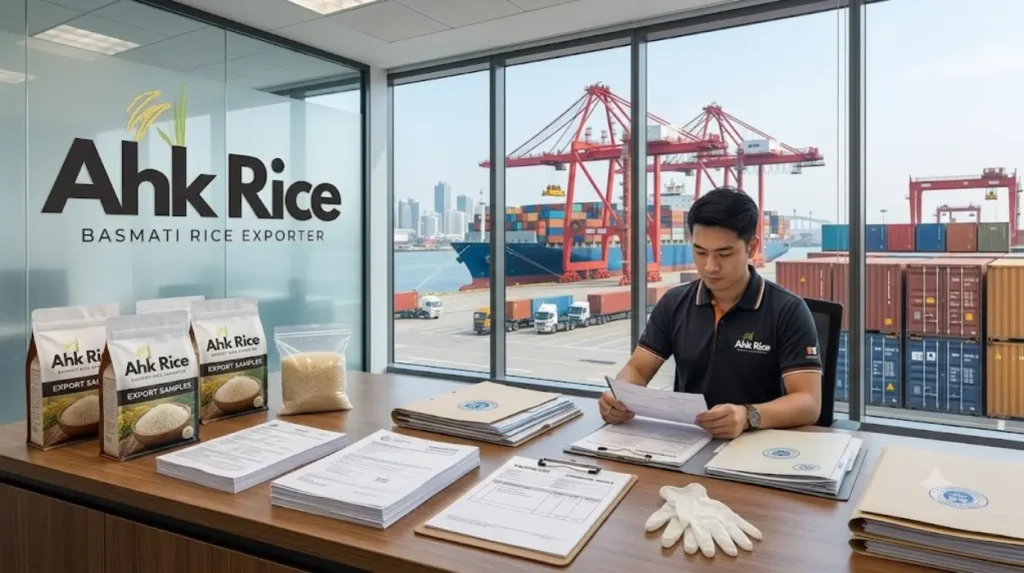
Exporter-managed documentation works best for regular importers, while specialized agents support complex regulatory markets and internal teams suit experienced trading organizations.
Different business models require different documentation structures.
Case 1: New Rice Importers
New importers benefit from exporter-managed documentation.
Exporters already maintain certification relationships, inspection procedures, and compliance records. This reduces learning curves and minimizes shipment risks.
Case 2: Established Distributors
Established distributors often combine internal oversight with exporter-managed compliance.
This model provides operational control while maintaining documentation accuracy.
Case 3: Multi-Country Importers
Multi-country importers frequently use specialist trade agents.
Different markets require different certificates. Specialized expertise improves regulatory compliance.
Case 4: Retail Private Label Buyers
Private label importers require extensive packaging and traceability documentation.
Documentation must connect production batches, packaging specifications, and shipment records.
Case 5: Government and Institutional Buyers
Institutional tenders require strict compliance verification.
Third-party inspections and independently certified quality reports strengthen procurement transparency.
With method selection explained, the next step is evaluating strengths and weaknesses.
What Are the Pros and Cons of Documentation Expertise?
Lower risk, faster clearance, stronger compliance, and improved traceability are major advantages, while additional administrative effort remains the primary investment.
Pros
| Advantage | Example |
|---|---|
| Faster Customs Clearance | Correct HS codes reduce inspections |
| Reduced Cargo Delays | Complete certificates prevent holds |
| Better Traceability | Batch records support recalls |
| Lower Financial Risk | Accurate invoices avoid penalties |
| Improved Buyer Confidence | Verified origin improves transparency |
Documentation expertise creates measurable operational value.
Importers receive shipment visibility from production through delivery. This improves forecasting accuracy and inventory management.
Cons
| Limitation | Example |
|---|---|
| Administrative Workload | More record keeping |
| Training Requirements | Staff education needed |
| Compliance Monitoring | Regulations change regularly |
| Verification Costs | Third-party inspections add expenses |
| System Integration | Digital tracking requires setup |
Documentation systems require investment. However, compliance costs remain lower than customs penalties or rejected shipments.
With advantages and limitations reviewed, decision criteria become easier to evaluate.
What Decision Factors Should Importers Consider?
Market regulations, shipment frequency, supplier capability, product specifications, and traceability requirements determine the best documentation strategy.
Decision Framework
| Decision Factor | Low Priority Scenario | High Priority Scenario |
|---|---|---|
| Shipment Volume | Occasional imports | Monthly containers |
| Compliance Complexity | Regional trade | Multi-country trade |
| Product Value | Commodity rice | Premium Basmati |
| Traceability Need | Wholesale bulk | Retail packaging |
| Regulatory Risk | Established route | New market entry |
Price per MT Considerations
Documentation quality influences total landed costs more than purchase price differences.
| Grade | Typical Export Position |
|---|---|
| 1121 Steam Basmati | Premium Pricing |
| 1121 Golden Sella | Premium-Mid Range |
| Super Kernel Basmati | Premium Traditional |
| 1509 Basmati | Competitive Pricing |
European importers generally favor premium aromatic grades. Gulf markets often prioritize yield-focused specifications.
Quality Verification Checklist
Before purchasing rice internationally:
- Verify Certificate of Origin
- Verify Phytosanitary Certificate
- Verify Quality Inspection Report
- Verify Packaging Specifications
- Verify Batch Traceability Records
Documentation verification protects both importer reputation and supply chain continuity.
Documentation expertise ultimately transforms rice imports from transactional purchasing into controlled supply chain management.
Frequently Asked Questions
Why is documentation important in rice imports?
Documentation verifies product origin, quality, compliance, ownership, and shipment details. Accurate records accelerate customs clearance and reduce import risks.
What documents are required to import Pakistani rice?
Most importers require a commercial invoice, packing list, bill of lading, certificate of origin, phytosanitary certificate, and quality inspection report.
Which rice markets have the strictest documentation requirements?
European markets generally require extensive traceability and food safety documentation. Regulatory requirements are typically more detailed than many regional markets.
Does documentation affect customs clearance speed?
Yes. Complete and accurate documentation reduces inspections, prevents cargo holds, and speeds customs processing.
Which Pakistani Basmati grades are most commonly imported?
1121 Steam Basmati, 1121 Golden Sella Basmati, Super Kernel Basmati, and 1509 Basmati remain among the most widely imported grades.
How does documentation improve traceability?
Documentation links production batches, processing records, inspection results, and shipment details. This creates a verifiable supply chain record.