Is 1121 Basmati Rice Better Than Other Rice Types?
1121 Basmati stands out for its 8.30 mm raw grain, 22 mm+ cooked length, aroma, and elongation, but the best rice type depends on cooking use, texture, price, and market requirements. Here is why: 1121 combines extra-long grain presentation with strong cooking performance, while 1509 and Super Kernel serve different specifications.
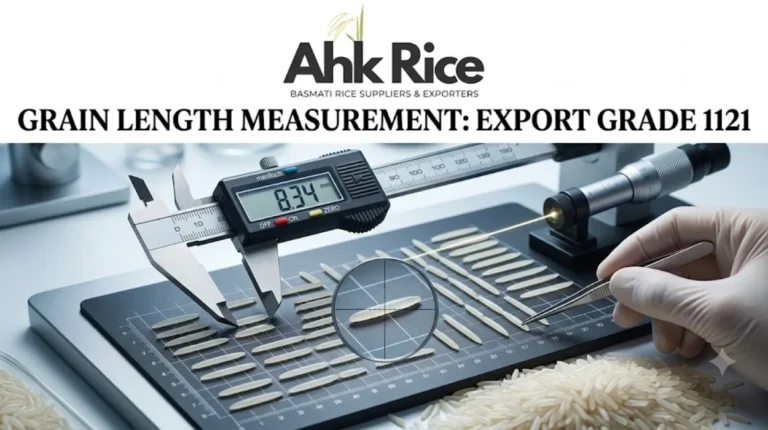
1121 Basmati is a Pakistani long-grain Basmati variety cultivated mainly in Punjab. The grain develops its distinctive length and aroma during cultivation and reaches approximately 8.30 mm before cooking. Its cooked length exceeds 22 mm under suitable cooking conditions.
Rice buyers compare 1121 with varieties such as 1509 and Super Kernel using measurable attributes. These include grain length, cooked elongation, aroma, texture, processing type, broken percentage, and price position. A variety becomes suitable through specification matching, not grain length alone.
What Is 1121 Basmati Rice?
1121 Basmati is an extra-long Pakistani Basmati variety with an average raw grain length near 8.30 mm and cooked elongation above 22 mm. Its combination of aroma, length, separation, and visual appearance supports premium rice applications.
1121 Basmati belongs to the Basmati rice category. Basmati describes aromatic rice associated with the Indian subcontinent. Pakistan produces Basmati rice mainly in Punjab, where climate, soil, irrigation, and cultivation practices influence grain development.
The 1121 designation identifies a specific variety. It does not identify a processing method. The same 1121 variety appears as White, Steam, and Sella rice.
Where Is 1121 Basmati Cultivated?
1121 Basmati is cultivated in Pakistan’s Punjab rice-growing areas. Punjab provides the principal production base for Pakistani Basmati varieties. Cultivation involves irrigation, crop management, harvesting, drying, and paddy handling before milling.
The growing stage determines the biological characteristics of the grain. Processing then determines attributes such as colour, firmness, cooking behaviour, and appearance.
How Long Is 1121 Basmati Rice?
1121 Basmati measures approximately 8.30 mm raw and reaches 22 mm or more cooked. This elongation creates the long-grain appearance associated with premium Basmati dishes.
Super Kernel generally measures around 7.20 mm raw and reaches approximately 18 mm+ cooked. This creates a meaningful length difference between the two varieties.
1509 also belongs to the extra-long Basmati segment. Market comparisons commonly position 1509 as an alternative where buyers seek long grain with a different value proposition.
With the identity and grain characteristics established, the next question is how 1121 becomes the finished rice used by consumers.
How Is 1121 Basmati Rice Processed?
1121 Basmati processing converts harvested paddy into clean, graded rice through cleaning, dehusking, drying, polishing, sorting, and final inspection. Steam and Sella processing add controlled heat treatment before final milling.
Processing starts with paddy rather than finished white rice. The harvested paddy contains the rice kernel inside protective husk layers. Milling removes these layers and prepares the grain for grading.
What Are the Main Processing Steps?
- Clean the paddy to remove stones, straw, dust, and other foreign material.
- De-husk the grain to remove the outer husk while retaining the edible rice kernel.
- Dry the paddy to bring moisture within the required processing range.
- Mill the grain to remove remaining bran layers and produce edible rice.
- Polish the rice to create the required surface appearance and finish.
- Sort by length to separate whole kernels from broken grains and different size fractions.
- Colour-sort the grain to remove discoloured, chalky, or visually defective kernels.
- Grade the rice according to grain length, broken percentage, moisture, foreign matter, and other specifications.
- Inspect the finished rice through quality testing before packaging and export.
The exact process changes for White, Steam, and Sella 1121. White rice receives conventional milling, Steam rice receives controlled steaming, and Sella rice receives parboiling before milling.
What Are the Main 1121 Processing Grades?
1121 White, 1121 Steam, Creamy Sella, and Golden Sella represent the principal commercial processing forms of 1121 Basmati. White preserves a bright appearance, Steam improves firmness, and Sella provides stronger separation after parboiling.
1121 White
1121 White is raw-milled rice. The paddy is de-husked, milled, polished, and sorted without parboiling. The finished grain has a bright appearance and strong natural Basmati aroma.
1121 Steam
1121 Steam receives controlled steaming before milling. The process partially gelatinizes surface starch and produces a firmer grain without creating the deeper colour associated with Sella.
1121 Creamy Sella
Creamy Sella is a parboiled 1121 product with a lighter golden appearance. Parboiling improves grain firmness and separation during cooking.
1121 Golden Sella
Golden Sella receives parboiling that produces a deeper golden or amber appearance. Its firm texture and strong grain separation suit dishes requiring long holding and reheating.
With the processing grades defined, their differences become clearer through their measurable cooking and commercial attributes.
What Makes 1121 Basmati Different From Other Rice Types?
1121 differs through its 8.30 mm raw grain, 22 mm+ cooked length, strong aroma, and multiple processing options. Super Kernel offers shorter traditional Basmati grain, while 1509 provides another extra-long alternative with a different commercial position.
| Attribute | 1121 Basmati | Super Kernel | 1509 Basmati |
|---|---|---|---|
| Raw grain | 8.30 mm | 7.20 mm | Extra-long |
| Cooked length | 22 mm+ | 18 mm+ | Long elongation |
| Aroma | Strong | Strong | Strong |
| Main forms | White, Steam, Sella | White | White, Steam, Sella |
| Texture | Soft to firm | Soft and aromatic | Firm to soft by processing |
| Position | Extra-long premium | Traditional Basmati | Long-grain value alternative |
| Main uses | Biryani, pilaf, retail, foodservice | Traditional dishes, retail | Retail, catering, foodservice |
Super Kernel provides traditional Basmati characteristics with a shorter grain. Its raw grain averages 7.20 mm and cooked grain reaches 18 mm+.
1509 provides another extra-long Basmati option. Market comparisons commonly associate it with competitive value while retaining long-grain presentation.
1121 therefore becomes distinctive through the combination of length and processing flexibility. Buyers can specify White, Steam, or Sella according to the intended application.
Readers comparing these varieties for commercial foodservice can continue with this guide to the best 1121 Basmati grade for restaurants and catering businesses: [Insert Link to MOFU Article].
With the comparison established, the next question is where these characteristics create practical value.
What Are the Benefits and Uses of 1121 Basmati Rice?
1121 Basmati provides long cooked grains, strong aroma, visual appeal, and multiple processing choices for biryani, pilaf, restaurants, catering, retail, and export foodservice. These attributes support applications requiring consistent grain presentation.
Which Foods Use 1121 Basmati?
Biryani uses 1121 for its long, separate cooked grains. Pilaf uses its elongation and aroma to create visible whole-kernel presentation. Restaurant kitchens use Steam or Sella forms when firmness and separation receive priority.
Catering operations also use 1121 for large-batch cooking. Sella processing provides firm grains that remain separate during cooking and holding. Steam processing provides a near-white appearance with firmer cooking characteristics.
Retail packaging uses 1121 where long grain and premium visual appearance form part of the product specification. Export markets include GCC, European, UK, US, and other international food channels.
Why Does Processing Matter?
Processing determines more than colour. It changes firmness, separation, cooking behaviour, and suitability for different food applications.
White 1121 prioritizes natural aroma and a bright appearance. Steam 1121 prioritizes firmness while retaining a near-white appearance. Sella prioritizes firm grains and separation for large-batch cooking.
The practical benefit therefore comes from matching the processing grade to the cooking method rather than selecting 1121 by name alone.
What Are the Common Problems and Misconceptions About 1121 Basmati?
1121 is not automatically superior for every recipe, buyer, or budget. Grain length is only one specification, while processing, broken percentage, moisture, cooking method, aroma, texture, and target price also determine suitability.
The first misconception is that longer grain always produces better rice. Long grain improves visual presentation, but a catering kitchen also needs predictable cooking and holding performance.
The second misconception is that 1121 White, Steam, and Sella cook identically. They do not. Steam and Sella receive heat treatment that changes grain structure and firmness.
The third misconception is that all 1121 lots have identical specifications. Export specifications can differ by broken percentage, moisture, chalky kernels, foreign matter, polishing level, and crop year.
The fourth misconception is that certifications are identical across markets. Export documentation depends on the destination and buyer requirements. Pakistan’s export quality infrastructure includes sanitary and phytosanitary certificates, Pakistan Standards and ISO certifications, and laboratory testing where required.
EU imports also use specific Basmati authenticity documentation. The European Commission identifies authorised bodies for Basmati authenticity certificates involving Pakistan.
Common food-safety systems used in international food supply include ISO 22000, BRCGS, and IFS. These operate alongside mandatory destination-market requirements and buyer-specific specifications.
The main lesson is simple: compare the specification sheet, processing method, cooking result, documentation, and destination requirements together.
Which 1121 Basmati Grade Fits Different Applications?
1121 White suits aroma-led premium dishes, 1121 Steam suits firm near-white cooking, and Sella suits large-batch dishes requiring strong separation and holding performance. The application determines the relevant processing specification.
| Application | Relevant 1121 Type | Main Reason |
|---|---|---|
| Premium biryani | 1121 White | Aroma and long cooked grain |
| Hotel kitchens | 1121 Steam | Firm, consistent cooking |
| Large catering | 1121 Sella | Separation and holding |
| Middle Eastern dishes | Golden Sella | Firm texture and colour |
| Premium retail | 1121 White | Bright appearance and aroma |
| Bulk foodservice | Steam or Sella | Cooking consistency |
A restaurant serving aromatic biryani needs a different specification from a caterer preparing large volumes for extended holding. A retail brand also evaluates appearance and packaging alongside cooking performance.
The correct comparison therefore starts with the finished food requirement. Grain length provides the first filter, while processing and quality specifications complete the evaluation.
What Certifications and Quality Checks Apply to 1121 Basmati Rice?
1121 export shipments require destination-specific food-safety, authenticity, sanitary, phytosanitary, and quality documentation. The exact documents depend on the importing market, product specification, and buyer requirements.
Which Quality Parameters Matter?
Moisture control protects storage stability. Broken percentage measures whole-kernel integrity. Foreign matter testing verifies cleanliness. Colour sorting removes visibly defective kernels.
Additional checks include chalky kernels, damaged grains, variety purity, pesticide residues, microbiological parameters, and packaging integrity where the destination specification requires them.
EU trade also requires Basmati authenticity documentation under the applicable rice import framework. Pakistan is listed among countries with authorised bodies for relevant authenticity certificates.
With quality and certification requirements established, 1121 Basmati can be evaluated through measurable specifications rather than general claims.
Is 1121 Basmati Better Than Other Rice Types?
1121 is stronger for buyers prioritizing maximum grain length, cooked elongation, aroma, and premium presentation. Super Kernel suits traditional Basmati requirements, while 1509 provides another long-grain option for buyers balancing presentation and commercial positioning.
The answer depends on the specification being measured. For raw grain length, 1121 reaches approximately 8.30 mm compared with about 7.20 mm for Super Kernel. Cooked length also shows a substantial difference, with 1121 exceeding 22 mm and Super Kernel reaching about 18 mm+.
For processing flexibility, 1121 offers White, Steam, and Sella forms. This allows buyers to match the grain with aroma, firmness, colour, and cooking requirements.
For commercial procurement, the relevant question is not simply whether 1121 is better. The useful question is which specification produces the required cooking result at the required market position.
Frequently Asked Questions
Is 1121 Basmati the longest Basmati rice?
1121 Basmati is commercially recognised for its extra-long grain. Its raw grain averages around 8.30 mm and cooked length exceeds 22 mm.
What is the difference between 1121 and Super Kernel?
1121 averages approximately 8.30 mm raw grain, while Super Kernel averages approximately 7.20 mm. 1121 also reaches more than 22 mm cooked, compared with about 18 mm+ for Super Kernel.
Is 1121 good for restaurants?
1121 suits restaurants because its long cooked grain, aroma, and processing options support biryani, pilaf, and other rice dishes. Steam processing also supports firmer and more consistent cooking.
What are the main types of 1121 Basmati?
The main commercial processing types are 1121 White, 1121 Steam, and 1121 Sella. Sella also appears as Creamy Sella and Golden Sella, based on processing and finished colour.
Which 1121 grade is used for catering?
1121 Sella is widely associated with large-batch cooking because parboiling creates firm grains with strong separation. Steam 1121 also suits foodservice operations requiring a near-white appearance and firmer cooking.
What certifications apply to Pakistani 1121 Basmati?
Certification depends on the destination. Requirements can include sanitary and phytosanitary documentation, quality testing, food-safety certifications, and Basmati authenticity documentation for applicable markets.