What Quarantine Checks Does Indonesia Apply to Imported Rice?
Indonesia applies plant quarantine controls to imported rice to prevent the entry and spread of quarantine pests, diseases, and other biological risks. The checks focus on the shipment, supporting documents, packaging, physical condition, and compliance with Indonesian plant quarantine requirements before release.
For imported rice, quarantine is handled within the framework of the Badan Karantina Indonesia (Barantin), Indonesia’s national quarantine authority. Its plant quarantine function covers imported plant commodities and their products and includes inspection, observation, treatment, detention, rejection, destruction, and release according to inspection results.
Rice is a processed plant product, but its processed form does not automatically remove quarantine controls. Indonesian authorities assess regulated commodities according to the applicable requirements for the commodity, origin, port of entry, and quarantine risk.
What Is Plant Quarantine for Imported Rice?
Plant quarantine for imported rice is an Indonesian border control process that checks whether rice shipments satisfy plant health requirements and remain free from regulated quarantine organisms before authorities allow the shipment to proceed into the Indonesian market.
The purpose is different from ordinary commercial quality inspection. A commercial inspection checks factors such as grain appearance, broken percentage, moisture, packaging, weight, and grade. Plant quarantine focuses on biological risks associated with the imported commodity.
Indonesia’s quarantine framework is based on Law No. 21 of 2019 concerning Animal, Fish, and Plant Quarantine. The law supports controls designed to prevent quarantine pests and diseases from entering, spreading, or leaving Indonesian territory.
The authority responsible for these controls is Badan Karantina Indonesia, commonly called Barantin. It operates quarantine services at designated entry points and provides systems for import requirements, plant quarantine applications, and related documentation.
For an imported rice container, the quarantine process therefore forms one part of the overall import clearance process. Customs clearance, food safety controls, import licensing, and quarantine are related but separate regulatory functions.
How Does Indonesia Inspect Imported Rice?
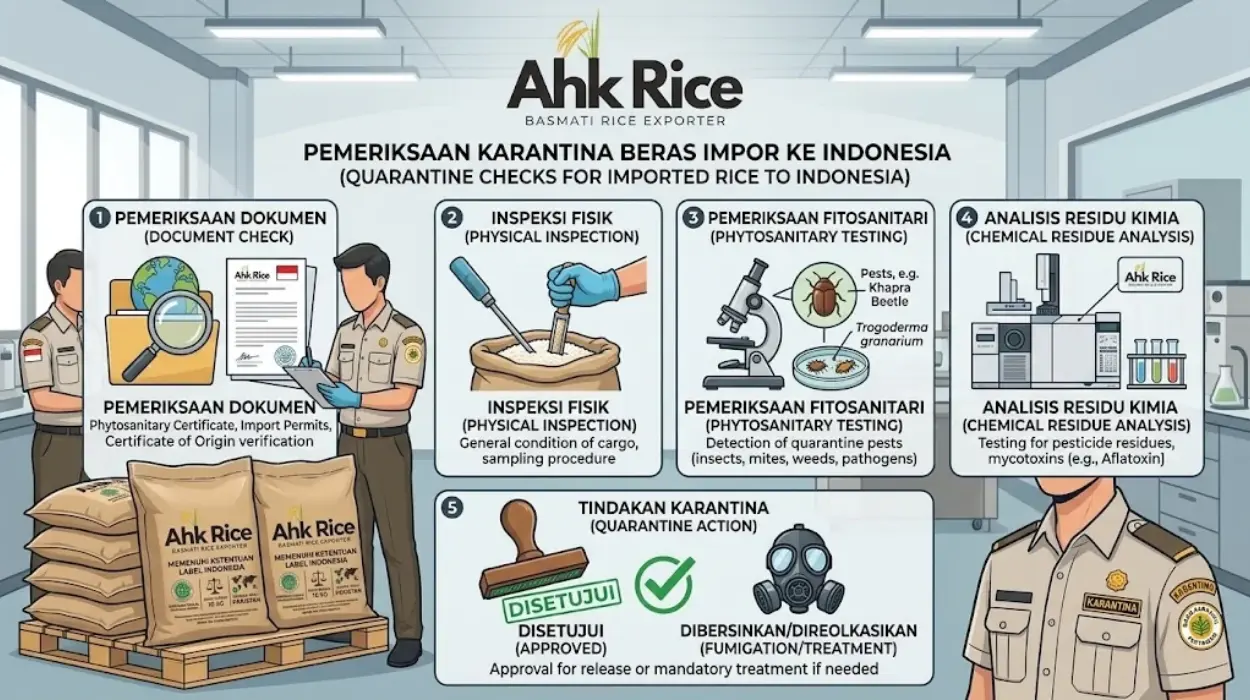
Indonesia’s rice quarantine process starts with import requirements and documentation, continues through arrival reporting and physical inspection, and ends with treatment, detention, rejection, or release based on the quarantine officer’s findings.
The process begins before the shipment reaches Indonesia. The importer and exporter must establish the applicable quarantine requirements for the specific rice commodity and country of origin.
Indonesia provides official systems for checking plant quarantine import requirements and submitting quarantine-related applications. The Barantin website provides services such as Phyto-req, PTK Online, GACC, and Prior Notice for quarantine-related procedures.
At arrival, the shipment is reported to the quarantine authority at the designated place of entry. The importer presents the required documents and makes the commodity available for quarantine action.
The officer then evaluates the shipment. The assessment can include document verification, physical inspection, observation, sampling, laboratory examination, treatment, detention, or other quarantine measures.
If the shipment satisfies the applicable requirements, the authority completes the quarantine action and permits the commodity to proceed. If a quarantine problem is detected, the authority applies the measure required by the applicable regulation.
Which Documents Does Indonesian Quarantine Check for Rice?
The main documentation check establishes the rice identity, origin, shipment details, and plant health status, with the Phytosanitary Certificate serving as a key export-side quarantine document where required by Indonesian import conditions.
A Phytosanitary Certificate (PC) is an official plant health document issued by the competent plant protection authority of the exporting country. It confirms that the regulated plant commodity meets the phytosanitary requirements established for its destination.
Indonesia’s quarantine system provides verification for plant quarantine certificates, including Phytosanitary Certificate for Export and Phytosanitary Certificate for Re-Export.
Other shipment documents support the quarantine assessment. Examples include the commercial invoice, packing list, bill of lading, import documentation, product description, country of origin information, and documents required under the applicable Indonesian import conditions.
The exact documentation depends on the commodity and applicable requirements. Indonesian quarantine guidance states that requirements can differ according to the quarantine status and conditions applicable to the relevant area or country.
This makes document accuracy important. A mismatch between the rice description, quantity, origin, certificate, packaging, and physical cargo creates a clearance problem even when the rice itself appears commercially acceptable.
What Does Indonesia Check During Physical Rice Inspection?
Physical inspection examines the shipment for visible biological contamination, prohibited materials, packaging problems, pest evidence, and other conditions that indicate a quarantine risk or non-compliance with Indonesian plant quarantine requirements.
A quarantine officer does not assess rice solely by its commercial appearance. The inspection considers whether the cargo presents a plant health risk.
Inspection can involve opening selected packages or examining representative samples. Officers look for evidence such as live insects, infestation, contamination, foreign plant material, or other findings relevant to quarantine.
Packaging also matters. The package must correspond with the declared shipment information and applicable requirements. A sealed commercial bag does not prevent authorities from inspecting the commodity when quarantine action requires examination.
For containerized rice, the inspection can therefore connect several elements. Officers assess the container, cargo condition, package markings, documents, and representative rice samples.
The objective is not to determine whether one rice variety tastes better than another. It is to determine whether the imported commodity satisfies the applicable quarantine requirements.
Which Biological Risks Does Indonesia Target?
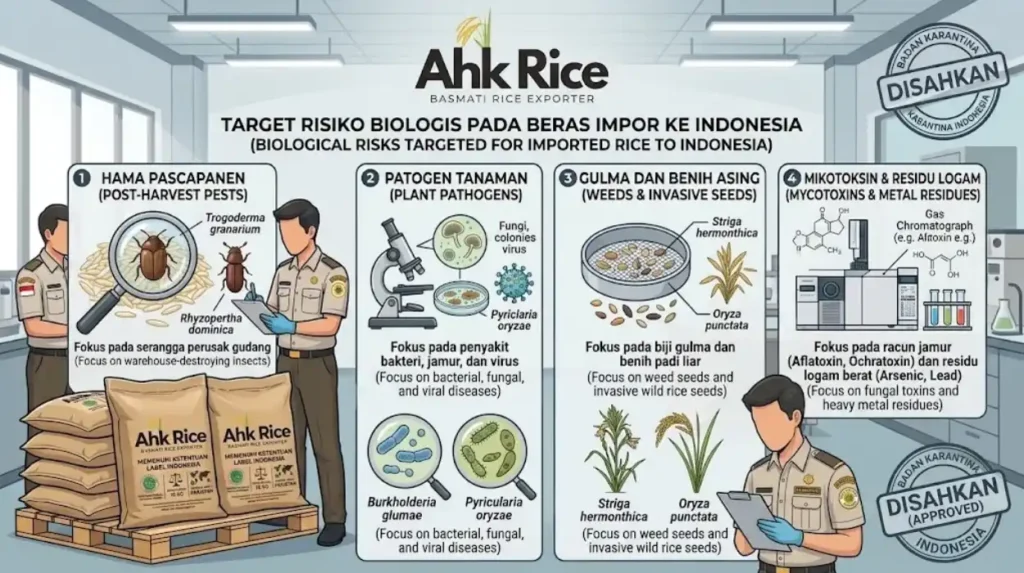
Indonesia’s plant quarantine system targets organisms and biological risks capable of damaging agriculture, biodiversity, or plant resources, including quarantine pests and diseases associated with imported plant commodities.
The Indonesian term Organisme Pengganggu Tumbuhan Karantina (OPTK) refers to quarantine plant pests and organisms subject to plant quarantine controls.
These risks include insects, pathogens, fungi, bacteria, nematodes, and other regulated organisms when they fall within Indonesia’s quarantine framework.
For rice shipments, the risk assessment relates to the commodity and its origin. Rice can carry biological contaminants or organisms when handling, storage, processing, or packaging does not adequately control contamination.
The International Plant Protection Convention identifies Indonesia as having a national plant protection and quarantine authority responsible for phytosanitary requirements, restrictions, prohibitions, and regulated pests.
This explains why quarantine remains relevant even when rice has already passed through milling and packaging. Processing reduces biological risk, but the authority still evaluates whether the finished shipment meets the applicable quarantine requirements.
What Happens If Imported Rice Fails Quarantine Inspection?
A rice shipment that fails quarantine requirements can be subjected to further inspection, treatment, detention, rejection, or destruction according to the nature of the finding and the applicable Indonesian quarantine rules.
A failure does not have one universal outcome. The response depends on what the quarantine officer finds and what the relevant regulation requires.
For example, a shipment containing evidence of a regulated pest creates a different regulatory situation from a shipment with an incomplete certificate.
Possible quarantine actions include treatment, detention, rejection, and destruction. These measures form part of Indonesia’s plant quarantine framework.
Treatment addresses an identified quarantine risk when an approved treatment is available and permitted. Detention keeps the commodity under regulatory control while authorities complete the required action.
Rejection prevents the commodity from entering Indonesia under the applicable conditions. Destruction applies where the regulatory framework requires disposal of the affected commodity.
This is why exporters should resolve documentation and phytosanitary requirements before loading the container rather than treating quarantine as a routine paperwork step after arrival.
What Are the Key Components of Indonesia’s Rice Quarantine System?
The main components are import requirements, pre-arrival documentation, reporting at the entry point, quarantine inspection, sampling or testing when required, treatment or other corrective action, and final release or rejection.
Each component addresses a different control point.
Import requirements define what the rice shipment must satisfy before entry.
Pre-arrival preparation ensures the importer and exporter have the required documents and understand the applicable plant quarantine conditions.
Entry-point reporting places the shipment under the authority of the quarantine system when it arrives.
Physical inspection verifies whether the actual cargo corresponds with the declared shipment and satisfies quarantine conditions.
Sampling and testing provide additional evidence when visual inspection cannot establish compliance.
Treatment addresses specific quarantine risks when treatment is required and permitted.
Release occurs after the required quarantine actions are completed. Rejection or another regulatory measure applies when the shipment does not satisfy the requirements.
Indonesia’s Peraturan Badan Karantina Indonesia No. 14 Tahun 2024 establishes procedures for integrated quarantine actions and supervision, including plant quarantine measures.
What Are the Benefits of Rice Quarantine Checks?
Rice quarantine checks protect Indonesian agriculture and biodiversity while creating a controlled pathway for imported plant commodities that satisfy documented plant health requirements and pass the required inspection process.
The first benefit is biological protection. Preventing the introduction of quarantine pests reduces risks to rice production and other agricultural systems.
The second benefit is traceability. Quarantine documentation connects the shipment with its origin, commodity identity, and declared movement.
The third benefit is regulatory control. Imported commodities enter through an established system rather than moving into the market without government inspection.
The fourth benefit is international trade consistency. Exporting countries can prepare shipments according to defined phytosanitary requirements instead of relying on informal expectations.
The Badan Karantina Indonesia also operates quarantine services and systems for plant commodities, including import requirements, prior notification, plant quarantine applications, and certificate verification.
For exporters, this means a compliant shipment has a clearer route through the border process.
Where Are These Quarantine Checks Used?
Indonesia applies plant quarantine controls at designated points of entry for imported plant commodities, including international ports and airports where quarantine officers inspect regulated cargo entering Indonesian territory.
For commercial rice, maritime container ports are especially important because bulk rice imports commonly arrive by sea.
The process applies to different shipment configurations. Examples include containerized rice, packaged retail rice, bulk commercial shipments, and other regulated plant products.
The relevant quarantine office and inspection procedure depend on the selected entry point and commodity requirements.
The Indonesian quarantine system provides dedicated services and installations for plant quarantine operations, demonstrating that quarantine is integrated into the country’s formal import infrastructure.
The importer therefore needs to coordinate the shipment with the designated quarantine process at the intended port rather than assuming that customs clearance alone completes import compliance.
What Are Common Misconceptions About Indonesian Rice Quarantine?
The most common misconception is that processed rice automatically avoids quarantine, while another is that a clean-looking shipment guarantees release; Indonesia bases quarantine decisions on applicable requirements, documents, inspection findings, and regulatory controls.
A polished retail package does not replace a phytosanitary requirement.
Another misconception is that quarantine and food safety inspection are identical. They are separate regulatory functions, although they can operate within the same broader import control system.
A third misconception is that the exporter controls the quarantine decision. The exporting authority issues export-side plant health documentation, but Indonesian quarantine officers determine compliance at the Indonesian entry point.
A fourth misconception is that every rice shipment receives exactly the same inspection. Indonesian requirements can vary according to commodity, origin, quarantine risk, and applicable conditions.
Current Indonesian quarantine procedures also include Prior Notice requirements for regulated plant and plant products. The information submitted can include shipment details such as loading and arrival information, transportation, product name, quantity, origin, packing unit, import purpose, quarantine risk, and container identification.
The practical lesson is simple: Indonesian rice import compliance starts before shipment departure.
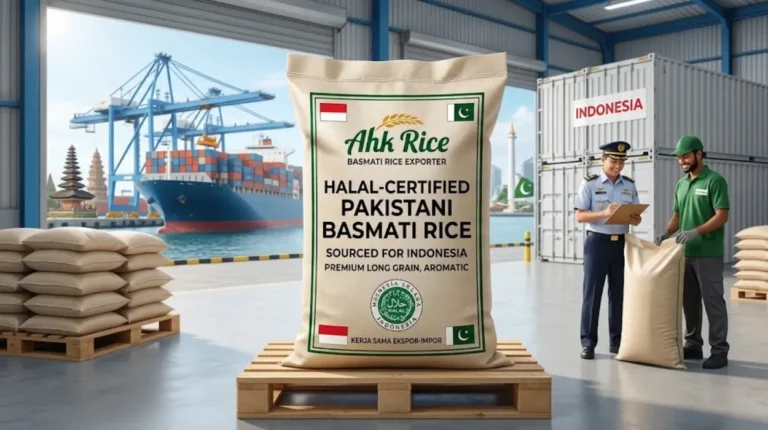
For buyers importing Pakistani Basmati rice, the preparation should cover the correct rice description, origin, commercial documents, applicable phytosanitary requirements, packaging information, and coordination with the Indonesian importer before loading.
A shipment that is correctly documented and prepared for quarantine inspection has a defined compliance pathway from origin to Indonesian entry.
Frequently Asked Questions
Does Indonesia require quarantine checks for imported rice?
Yes. Imported plant commodities are subject to Indonesian plant quarantine requirements. Rice shipments must satisfy the applicable requirements before the quarantine process is completed.
What is checked during Indonesian rice quarantine?
Authorities check documents, shipment identity, physical cargo condition, quarantine risks, and other requirements applicable to the specific commodity and origin.
Is a Phytosanitary Certificate required for imported rice?
The requirement depends on the applicable Indonesian plant quarantine conditions for the commodity and origin. Where required, the certificate provides official plant health information from the exporting country’s competent authority.
Who handles rice quarantine in Indonesia?
Badan Karantina Indonesia (Barantin) is Indonesia’s national authority responsible for animal, fish, and plant quarantine functions, including imported plant commodities.
What happens if rice fails quarantine inspection?
Authorities can apply measures including detention, treatment, rejection, or destruction depending on the quarantine finding and applicable requirements.
Can processed rice still undergo quarantine inspection?
Yes. Indonesian quarantine controls cover imported plant commodities and products. Processing does not automatically remove a commodity from applicable quarantine requirements.