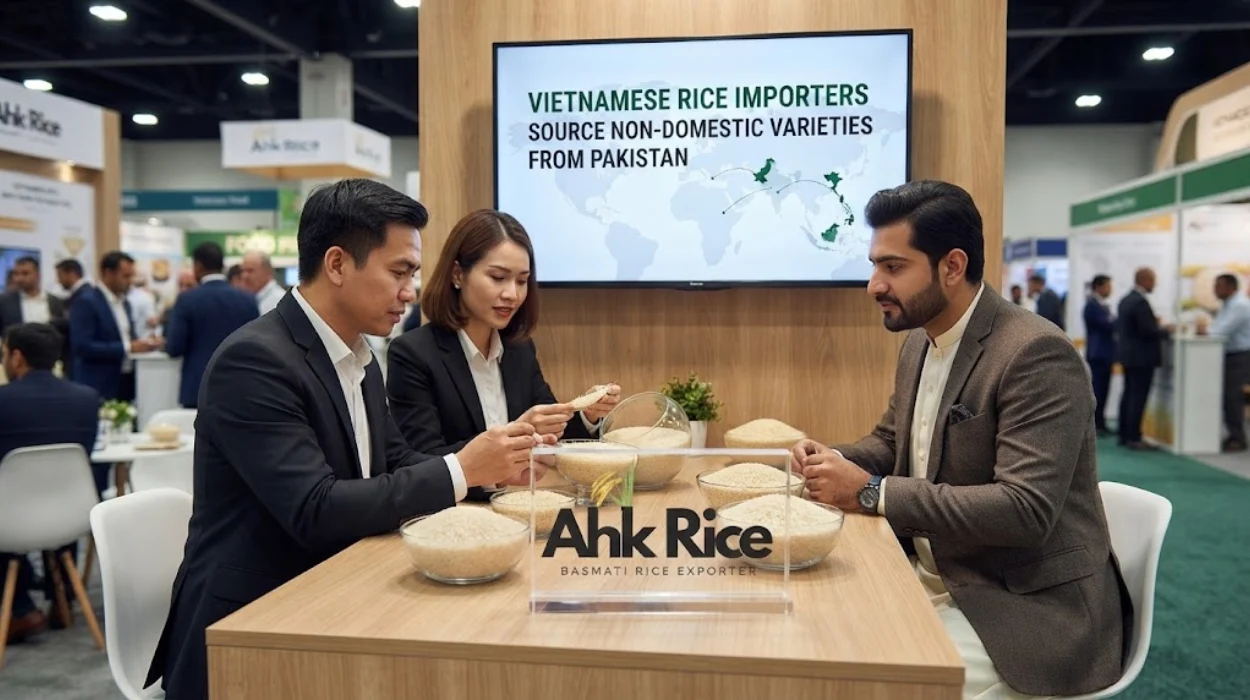
How Vietnamese Rice Importers Source Non-Domestic Varieties from Pakistan 2026
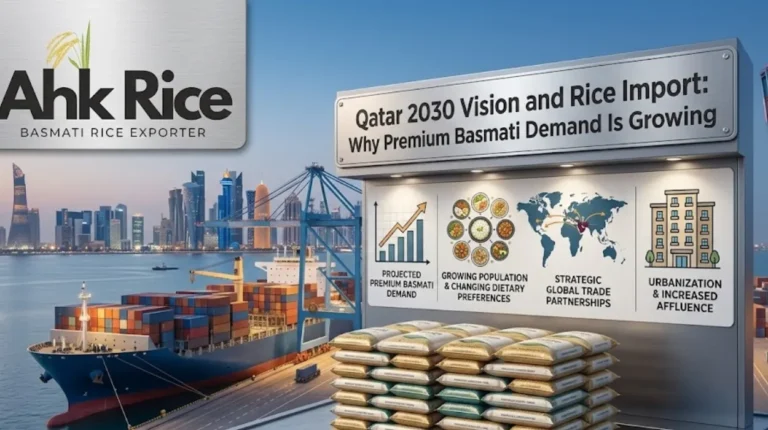
Vietnamese rice importers source non-domestic varieties from Pakistan through specification matching, supplier verification, sample testing, compliance checks, and shipment inspection. Here is why: Vietnam produces large rice volumes, while Pakistani Basmati serves specialty demand for aroma, grain length, foodservice, and premium retail. Volza recorded 589 Basmati shipments into Vietnam during its latest tracked period, with Pakistan listed among the leading origins.
Pakistan offers 1121, Super Kernel, and 1509 Basmati rice for differentiated international demand. These varieties originate mainly from Punjab and pass through milling, dehusking, polishing, grading, sorting, and export preparation. Pakistan exported 808,643 MT of Basmati rice worth US$830.57 million in 2024-25, showing the scale of its Basmati supply base. (source: REAP export history)
What is non-domestic rice sourcing for Vietnamese importers?
Non-domestic rice sourcing means importing rice varieties that differ from Vietnam’s mainstream domestic supply, with Pakistani Basmati serving specialty retail, foodservice, and international cuisine demand. Importers specify grain, aroma, processing, packaging, documents, and landed cost before approving suppliers.
Non-domestic rice refers to rice cultivated outside Vietnam and imported for a defined commercial purpose. Pakistani Basmati fits this category because its production base lies in Pakistan. Basmati also differs from common Vietnamese rice through grain shape, aroma, cooking behavior, and market positioning.
Pakistani Basmati includes long-grain aromatic varieties such as 1121, Super Kernel, and 1509. Each variety serves a different specification. 1121 focuses on long grain and premium presentation. Super Kernel focuses on traditional aroma. 1509 combines long grain with value-oriented commercial positioning.
Vietnamese importers therefore do not treat Pakistani rice as a direct replacement for every domestic rice category. They evaluate the product against a specific use case. Examples include Indian and South Asian restaurants, premium grocery stores, hotels, catering operations, and specialty food distribution.
Pakistan already has a documented Basmati trade relationship with Vietnam. Shipment records show Pakistani Basmati in 20 kg and 25 kg formats, along with parboiled rice and smaller testing shipments.
This definition establishes why importers evaluate specification before volume, leading directly to the sourcing process.
How do Vietnamese rice importers source Pakistani varieties?
Vietnamese importers source Pakistani rice through seven stages: define specifications, identify suppliers, request samples, test quality, verify documents, approve commercial terms, and inspect shipments. Each stage reduces specification, compliance, and shipment risks.
Define the buying specification
Define the required variety, grain length, broken percentage, moisture, processing type, packing size, quantity, destination port, and Incoterm. A buyer requesting 1121 Steam needs a different specification from a buyer requesting 1509 Golden Sella.
Identify Pakistani suppliers
Identify exporters with documented processing capacity, export experience, laboratory testing, and shipment capability. Pakistan has a large rice-export ecosystem. REAP reports total rice exports of 5.82 million MT in 2024-25, including Basmati and non-Basmati categories. (source: REAP export history)
Request product samples
Request samples that match the proposed commercial specification. Sample evaluation should cover appearance, grain length, aroma, moisture, broken grains, cooking behavior, and packaging format.
Test the sample
Test the sample through laboratory analysis and cooking trials. Vietnamese importers can compare the supplier’s declared specification with independent test results before approving a purchase.
Verify export documents
Verify commercial documents, packing information, certificates, laboratory reports, origin information, and applicable food-safety documentation. Vietnamese customs procedures require import documentation such as customs declarations and commercial invoices.
Approve commercial terms
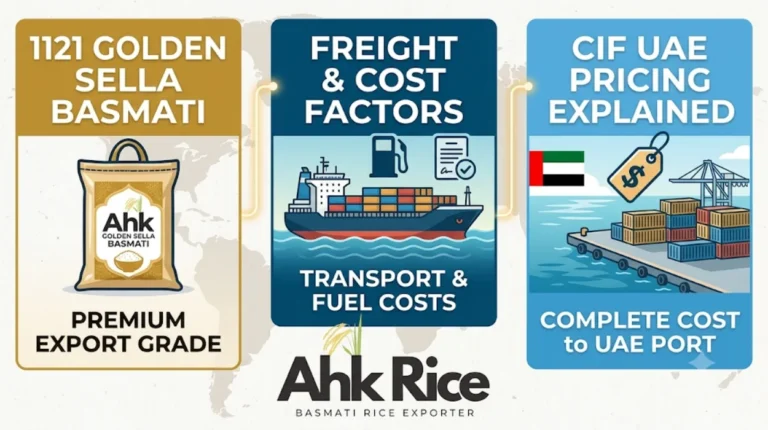
Approve quantity, price, Incoterm, packing, loading port, destination port, payment terms, and shipment schedule. FOB Karachi and CFR or CIF arrangements allocate logistics responsibilities differently.
Inspect the shipment
Inspect the loaded cargo against the approved sample and specification. Vietnam’s 2026 food-safety framework includes document review, physical inspection, and sampling for applicable imported foods.
With the sourcing sequence established, the next issue is identifying which rice specifications Vietnamese buyers actually compare.
Which Pakistani rice varieties do Vietnamese importers evaluate?

Vietnamese importers evaluate 1121, Super Kernel, and 1509 Basmati according to grain length, aroma, processing format, cooking performance, price position, and end use. The three varieties address different commercial requirements.
1121 Basmati
1121 Basmati provides a long-grain premium format. Commercial specifications commonly place raw grain length around 8.3–8.5 mm. White, Steam, Sella, and Golden Sella processing formats serve different retail and foodservice requirements.
1121 suits premium restaurants, specialty retail, catering, and South Asian cuisine. Its long cooked grain creates a strong visual presentation in biryani and pulao.
Super Kernel Basmati
Super Kernel Basmati provides traditional Pakistani Basmati characteristics with strong natural aroma. Raw grain commonly measures around 7.0–7.5 mm. White and Steam formats support retail and foodservice applications.
Super Kernel targets buyers who value aroma and traditional Basmati identity. Its specification differs from 1121 because grain length is shorter while aromatic character remains central.
1509 Basmati
1509 Basmati provides a long-grain commercial option with strong yield economics. Raw grain commonly measures around 8.2–8.4 mm. White, Steam, and Sella formats serve retail, catering, foodservice, and institutional applications.
1509 suits buyers seeking long-grain presentation with a cost-conscious specification. Its shorter cultivation cycle also contributes to its commercial position.
| Attribute | 1121 | Super Kernel | 1509 |
|---|---|---|---|
| Raw grain | 8.3–8.5 mm | 7.0–7.5 mm | 8.2–8.4 mm |
| Aroma | Strong | Strong traditional | Moderate to strong |
| Processing | White, Steam, Sella, Golden Sella | White, Steam, selected Sella | White, Steam, Sella |
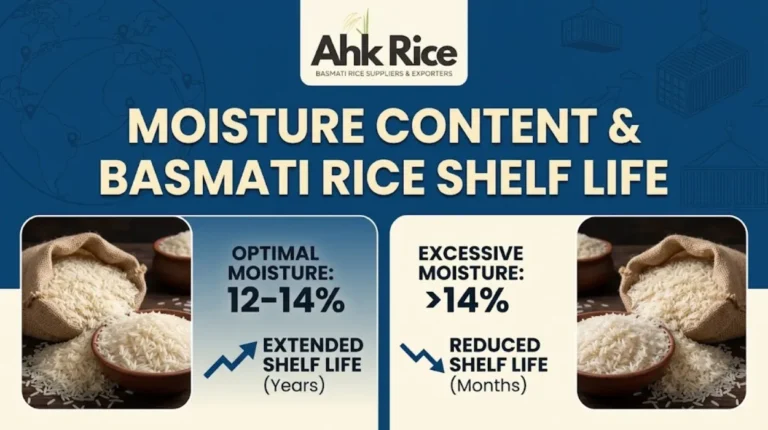
| Moisture target | 12–13% | 12–13% | 12–13% |
| Main position | Premium | Aromatic | Value-oriented |
| Main uses | Retail, HORECA, catering | Retail, restaurants | Retail, foodservice |
These varieties form the product layer of sourcing, while processing and documentation form the quality-control layer.
How is Pakistani rice processed before shipment to Vietnam?
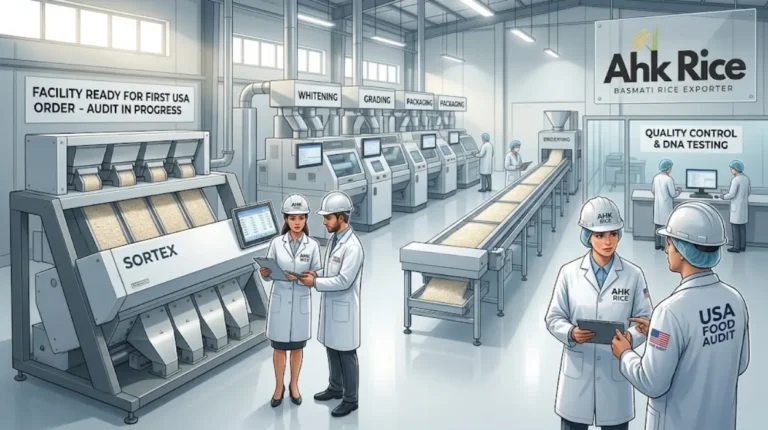
Pakistani rice passes through cleaning, dehusking, polishing, grading, sorting, quality inspection, packing, and container loading before export. Each operation controls a measurable characteristic such as purity, grain appearance, broken percentage, moisture, or packaging integrity.
Paddy preparation
Clean the paddy to remove field debris, stones, dust, and foreign material. Cleaning establishes the raw material condition before mechanical processing.
Milling
De-husk the paddy to separate the rice kernel from the husk. Milling determines the recovery of whole kernels and broken grains.
Polishing
Polish the grain to remove remaining bran layers according to the required commercial finish. White rice receives a different finish from parboiled or Sella products.
Grading
Grade the rice according to grain length, broken percentage, color, and other contractual specifications. Grading separates commercial categories before final packing.
Sorting
Sort the grain through optical and mechanical systems. Colour sorting removes discoloured kernels and foreign particles that fail the required appearance standard.
Parboiling
Parboil the rice for Steam or Sella formats. The process applies heat and moisture before drying and milling. Processing conditions influence grain firmness, appearance, and cooking performance.
Laboratory testing
Test moisture, broken grains, foreign matter, grain dimensions, and other contractual parameters. Additional tests address food-safety requirements established by the destination market.
Packaging
Pack the approved rice in the buyer’s specified format. Common commercial formats include 5 kg, 10 kg, 20 kg, 25 kg, and 50 kg bags.
Container loading
Load the finished bags into clean, suitable containers. Exporters then prepare shipping documents and dispatch the cargo through the agreed logistics route.
This processing chain explains how a Pakistani rice sample becomes a shipment-ready product for Vietnamese import control.
What certifications and documents apply to Pakistani rice imports into Vietnam?
Vietnamese rice imports require food-safety compliance, customs documentation, inspection records, and product-specific certificates required by Vietnamese authorities. Importers should confirm the applicable document set before shipment rather than relying on one universal certificate.
Vietnam’s food-safety framework governs imported food inspection and documentation. Vietnam Trade Information Portal procedures list food-safety inspection registration, product declarations, packing lists, and certificates from competent authorities for applicable products.
Vietnam also changed imported-food inspection procedures under Decree 46/2026/NĐ-CP, effective from January 26, 2026. The Ministry of Industry and Trade reported that the process includes document review, physical inspection, and sampling. Laboratory testing can take approximately 7 working days under the described procedure.
Common export documentation
Commercial invoices identify the seller, buyer, product, quantity, and transaction value. Packing lists identify package counts and shipment details. Bills of lading establish the sea-transport record.
Certificates of origin establish the declared origin of Pakistani rice. Laboratory certificates provide analytical evidence for contractual specifications. Phytosanitary documentation applies where Vietnamese plant-health rules require it.
Food-safety certificates and inspection documents depend on the product classification and Vietnamese authority responsible for the import control. Vietnam’s regulatory system assigns food-safety responsibilities across government agencies.
Certification therefore works as part of supplier qualification, not as a substitute for product testing.
What benefits do Pakistani rice varieties provide to Vietnamese importers?
Pakistani rice gives Vietnamese importers access to differentiated grain length, aroma, processing formats, international cuisine applications, and private-label possibilities. The commercial value comes from product differentiation rather than replacing Vietnam’s mainstream rice supply.
Premium foodservice
Premium restaurants can use 1121 and Super Kernel for biryani, pulao, and other South Asian dishes. Long grain and aroma create characteristics that differ from mainstream Vietnamese rice.
Specialty retail
Specialty retailers can stock Pakistani Basmati as an imported premium product. Retailers can select 5 kg or 10 kg consumer packs for household consumption.
Hotel and catering
Hotels and catering operators can specify Steam or Sella rice according to menu requirements and holding conditions. Processing format directly affects cooking and serving performance.
Food distribution
Importers can distribute Pakistani rice through ethnic food wholesalers and international-food channels. Product selection then depends on customer cuisine, packaging, price, and expected turnover.
Private label
Importers can develop private-label packs around a defined Basmati grade. The commercial specification should identify variety, processing format, grain parameters, origin, pack weight, and quality requirements.
These applications explain why specialty rice sourcing has a different purchasing logic from commodity rice procurement.
What problems do Vietnamese importers face when sourcing Pakistani rice?
The main problems are specification mismatch, incomplete documentation, inconsistent samples, unclear Incoterms, unsuitable packaging, food-safety failures, and weak shipment controls. Each problem starts with a gap between the approved specification and the shipped product.
Specification mismatch occurs when a buyer approves one grade but receives another processing format. A 1121 Steam contract should not be replaced with 1509 Steam simply because both products have long grains.
Sample inconsistency occurs when the commercial sample does not represent production cargo. Buyers should retain an approved reference sample and match shipment inspection against the agreed specifications.
Documentation gaps create customs delays. Importers should confirm the required documents before dispatch and verify every document against the final commercial invoice and packing list.
Food-safety failures create larger risks because Vietnam’s 2026 framework includes physical inspection and sampling. Importers should therefore review laboratory results before cargo dispatch.
Price comparison also creates confusion. Pakistani Basmati competes as a differentiated product rather than as a direct replacement for Vietnam’s lower-priced mainstream rice. Vietnamese Jasmine rice was reported around US$513–517/MT in July 2026, while Pakistani Basmati references were substantially higher. (source: AHK Rice market research)
Importers should therefore compare landed cost against the intended product position, not against unrelated commodity grades.
With the major sourcing risks identified, Vietnamese buyers can evaluate Pakistani rice through a defined specification, testing, documentation, and shipment-control sequence.
Frequently Asked Questions
What Pakistani rice varieties do Vietnamese importers source?
Vietnamese importers evaluate 1121, Super Kernel, and 1509 Basmati for specialty retail, restaurants, hotels, catering, and international-food distribution. Each variety differs in grain length, aroma, processing options, and commercial positioning.
Why do Vietnamese importers buy Basmati rice from Pakistan?
Pakistani Basmati provides long grains, distinctive aroma, and multiple processing formats. These characteristics support South Asian cuisine, premium foodservice, specialty retail, and imported-food distribution.
How do Vietnamese buyers test Pakistani rice samples?
Buyers assess grain appearance, length, broken percentage, moisture, aroma, cooking performance, and laboratory results. The approved sample should represent the specification used for the commercial shipment.
What documents are required for Pakistani rice imports into Vietnam?
Common documents include commercial invoices, packing lists, customs declarations, bills of lading, origin documentation, laboratory reports, and applicable food-safety or phytosanitary certificates. The exact requirement depends on Vietnamese product classification and inspection rules.
How long can Vietnamese food-safety inspection take?
Vietnam’s 2026 food-safety procedure includes document review, physical inspection, and sampling for applicable imports. The Ministry of Industry and Trade reported that laboratory testing can take about 7 working days under the described procedure.
Is 1121 Basmati different from 1509 Basmati?
Yes. 1121 generally measures around 8.3–8.5 mm raw grain, while 1509 commonly measures around 8.2–8.4 mm. 1121 targets premium grain presentation, while 1509 serves value-oriented long-grain applications.
What is Super Kernel Basmati used for?
Super Kernel Basmati is used for aromatic rice dishes, restaurants, specialty retail, and foodservice. Its raw grain commonly measures around 7.0–7.5 mm and emphasizes traditional Pakistani Basmati aroma.
Can Vietnamese importers source Pakistani rice in private-label packaging?
Yes. Importers can specify brand design, bag weight, processing grade, rice variety, labeling information, and packaging material. The final label must comply with applicable Vietnamese requirements before commercial distribution.