Which Pakistani Rice Products Have the Highest Demand in Indonesia in 2026
Pakistani Basmati rice products dominate premium imported rice demand in Indonesia during 2026. Indonesian importers purchase 1121 Basmati, Super Kernel Basmati, and 1509 Basmati because these varieties provide long grain length, strong aroma, high cooking yield, and premium retail positioning. Here is why: Indonesian consumers increasingly demand differentiated rice products for retail, hospitality, and food service sectors, while importers seek reliable origins with consistent specifications.
What Pakistani Rice Products Have the Highest Demand in Indonesia in 2026?
1121 Basmati, Super Kernel Basmati, and 1509 Basmati account for the highest demand among premium Pakistani rice products imported into Indonesia during 2026.
Pakistani rice products occupy the premium imported rice segment in Indonesia. Indonesian buyers source these varieties because they deliver distinct characteristics that local rice varieties do not provide.
1121 Basmati Rice
1121 Basmati rice is an extra-long grain aromatic rice variety cultivated in Punjab, Pakistan. Raw grain length typically ranges between 8.30 mm and 8.50 mm before cooking.
1121 Basmati attracts Indonesian importers because cooked grain length often exceeds twice the original grain size. Restaurants, hotels, and premium retailers prefer this characteristic.
Super Kernel Basmati Rice
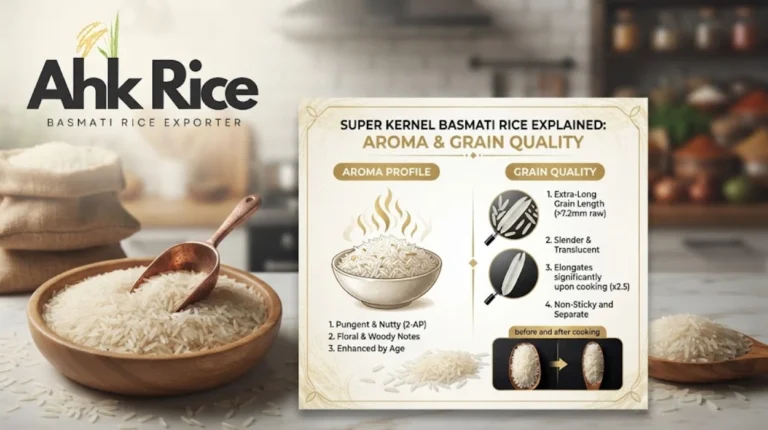
Super Kernel Basmati rice is a traditional aromatic variety known for its fragrance and slender grain structure. Grain length typically ranges between 7.20 mm and 7.60 mm.
Super Kernel Basmati serves consumers seeking authentic Basmati aroma. Premium grocery chains often position this variety as a heritage rice product.
1509 Basmati Rice
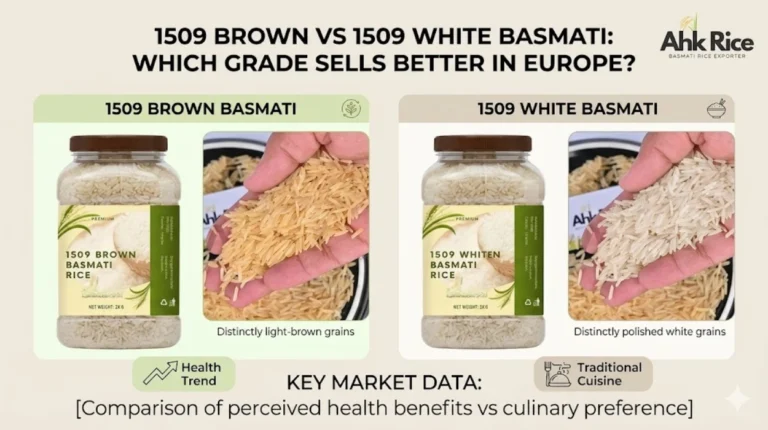
1509 Basmati rice is an early-maturing aromatic variety. Grain length generally ranges between 8.00 mm and 8.30 mm.
1509 Basmati offers competitive pricing compared with 1121 Basmati. Indonesian importers use this variety to balance quality and cost requirements.
Popular Processing Grades Imported into Indonesia
| Rice Product | Processing Grade | Main Use |
|---|---|---|
| 1121 Basmati | Steam | Premium retail |
| 1121 Basmati | Golden Sella | Food service |
| 1121 Basmati | White Rice | Supermarkets |
| Super Kernel | White Rice | Premium consumers |
| Super Kernel | Steam Rice | Retail chains |
| 1509 Basmati | Steam Rice | General distribution |
| 1509 Basmati | Golden Sella | Catering sector |
With the leading rice varieties identified, the next question is what makes these products different from ordinary rice.
What Is Pakistani Basmati Rice and Why Is It Different?
Pakistani Basmati rice is an aromatic long-grain rice cultivated primarily in Punjab and recognized for its fragrance, grain elongation, and cooking performance.
Basmati rice represents a specific rice category rather than a processing method. The term refers to aromatic rice varieties grown in designated regions of Pakistan and India.
Punjab provides the ideal environment for Basmati cultivation. Fertile alluvial soil, irrigation systems, seasonal temperature variation, and controlled harvesting conditions contribute to grain quality.
Pakistani Basmati rice differs from standard rice because it contains natural aromatic compounds. These compounds create the characteristic fragrance consumers associate with premium Basmati products.
Basmati rice also expands significantly during cooking. Standard rice varieties focus on volume. Basmati varieties focus on elongation, aroma, and texture.
With the product defined, the next question is how Pakistani rice reaches export quality standards.
How Does Pakistani Rice Processing Work?
Pakistani export rice passes through 9 processing stages before shipment: cleaning, drying, de-husking, milling, polishing, grading, sorting, testing, and packaging.
Rice processing transforms harvested paddy into export-ready products. Each stage improves consistency and food safety.
Step-by-Step Rice Processing
- Clean the harvested paddy.
- Dry the grain to export moisture levels.
- De-husk the rice kernels.
- Mill the rice surface layers.
- Polish the grain according to specification.
- Grade the rice by length.
- Sort defects using optical machines.
- Test quality parameters.
- Package the rice for export.
Key Processing Grades
White Rice
White Rice undergoes complete milling and polishing. The product displays a bright appearance and softer texture.
Steam Rice
Steam Rice receives controlled steam treatment before milling. The process improves grain strength and cooking consistency.
Golden Sella Rice
Golden Sella Rice undergoes parboiling before milling. The process increases shelf stability and reduces grain breakage.
Golden Sella lasts longer than Steam Rice. In tropical storage environments, Golden Sella maintains quality for approximately 18 months, while Steam Rice generally performs best within 12 months.
Processing determines final quality. The next section explains the specifications Indonesian buyers evaluate before purchasing.
What Key Components Do Indonesian Rice Buyers Evaluate?
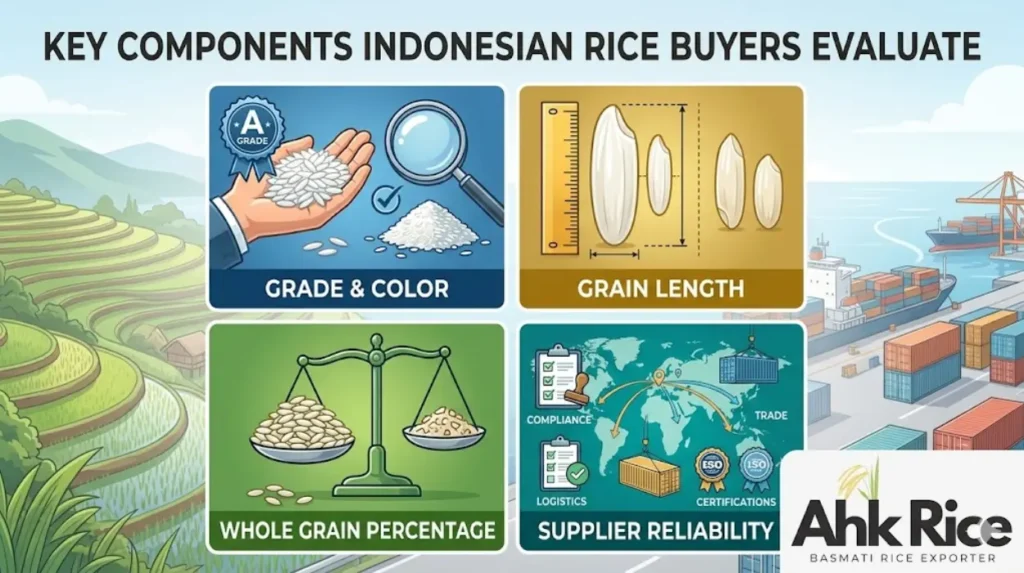
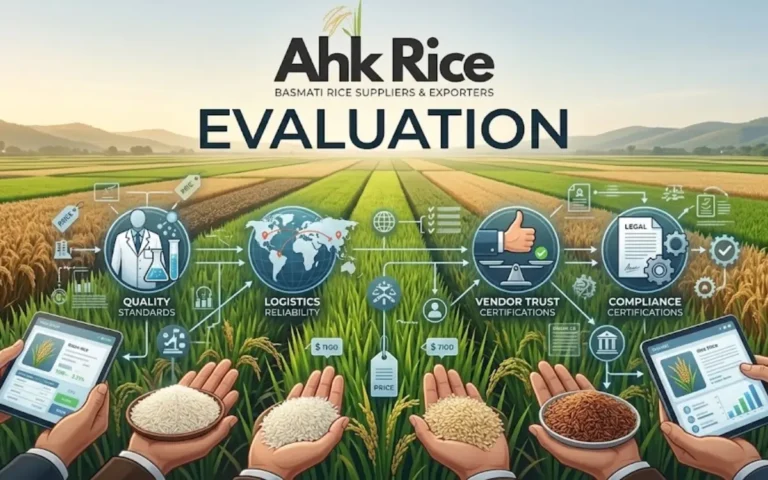
Grain length, aroma, moisture content, purity, broken percentage, color consistency, and certifications determine import suitability.
Rice buyers evaluate measurable specifications rather than general quality descriptions. Specifications help importers compare suppliers objectively.
Physical Specifications
| Attribute | Typical Premium Export Standard |
|---|---|
| Grain Length | 8.00–8.50 mm |
| Moisture | 12–14% |
| Purity | 95–100% |
| Broken Rice | 1–5% |
| Damage | Minimal |
| Foreign Matter | Near Zero |
| Color | Uniform |
Quality Control Components
- Moisture testing
- Grain grading
- Length verification
- Color sorting
- Purity inspection
- Laboratory analysis
- Container inspection
Importers evaluate these metrics because consistent specifications reduce commercial disputes and maintain consumer satisfaction.
Quality components explain buyer preferences. The next question examines why Indonesian importers specifically choose Pakistani rice products.
What Benefits Make Pakistani Rice Popular in Indonesia?
Long grain length, strong aroma, high cooking yield, premium positioning, and multiple processing grades drive Indonesian demand.
Pakistani rice products serve several market segments simultaneously. This flexibility increases their commercial value.
Premium Retail Benefit
Premium retailers require products that differentiate shelf offerings. Basmati rice provides visible grain length and fragrance advantages.
Hospitality Benefit
Hotels and restaurants require rice that maintains appearance after cooking. 1121 Basmati performs well in buffet service and plated meals.
Food Service Benefit
Food service operators seek consistency. Steam and Golden Sella grades maintain stable cooking performance.
Consumer Benefit
Consumers prefer aromatic rice because flavor perception improves meal quality. Basmati varieties deliver this characteristic without additives.
These benefits create demand across sectors. The next section explores where Indonesian importers use these rice products.
What Are the Main Use Cases for Pakistani Rice in Indonesia?
Pakistani rice serves retail supermarkets, hotels, restaurants, catering companies, wholesalers, and specialty food distributors.
Different market segments purchase different specifications.
Retail Supermarkets
Retail chains prefer attractive packaging and premium grain appearance. White Rice and Steam Rice grades dominate this segment.
Hotels
Hotels prioritize presentation. Long grain elongation improves visual appeal in premium dining services.
Restaurants
Restaurants require consistent cooking performance. Steam and White Rice grades provide predictable results.
Catering Companies
Catering operators focus on storage stability and transport performance. Golden Sella varieties satisfy these requirements.
Specialty Food Stores
Specialty retailers target consumers seeking imported products. Super Kernel and 1121 Basmati perform strongly in this segment.
Use cases explain purchasing behavior. The next question addresses certifications required for import and distribution.
What Certifications Apply to Pakistani Rice Exported to Indonesia?
Phytosanitary certification, fumigation certification, quality inspection documents, and food safety certifications support Indonesian imports.
Rice exports require documented compliance with international trade requirements.
Common Export Documents
- Phytosanitary Certificate
- Certificate of Origin
- Fumigation Certificate
- Commercial Invoice
- Packing List
- Bill of Lading
- Quality Inspection Report
Common Quality Certifications
- ISO 22000
- HACCP
- Halal Certification
- Food Safety Management Certifications
Indonesian importers review these certifications because documented compliance reduces customs delays and import risks.
Certification requirements support trade efficiency. The next section addresses common misconceptions about Pakistani rice products.
What Common Misconceptions Exist About Pakistani Rice in Indonesia?
Many buyers incorrectly assume all Basmati rice is identical, all long-grain rice is Basmati, and higher price always indicates better quality.
Rice specifications vary significantly across varieties and processing grades.
Misconception 1: All Basmati Rice Is the Same
1121 Basmati differs from Super Kernel Basmati. Grain length, cooking behavior, and pricing vary.
1121 Basmati emphasizes elongation. Super Kernel emphasizes aroma.
Misconception 2: Long-Grain Rice Equals Basmati
Long grain describes shape. Basmati describes a specific aromatic rice category.
Many long-grain rice products lack Basmati fragrance and cooking characteristics.
Misconception 3: White Rice Is Always Better
White Rice suits retail applications. Golden Sella suits storage-focused operations.
Golden Sella performs better in high-temperature storage environments. Steam Rice performs better when softer texture is required.
Misconception 4: Lowest Price Creates Best Value
Lower pricing often reflects different specifications.
Importers achieve better outcomes by matching product specifications to market requirements rather than focusing exclusively on cost.
Understanding these misconceptions clarifies why Indonesian demand continues shifting toward specification-based sourcing decisions.
Pakistani rice products with the highest demand in Indonesia during 2026 are 1121 Basmati, Super Kernel Basmati, and 1509 Basmati. Indonesian importers select these varieties because they deliver premium aroma, long grain structure, strong cooking performance, and multiple processing options. White Rice, Steam Rice, and Golden Sella grades serve different market segments, including retail, hospitality, catering, and wholesale distribution. Processing quality, measurable specifications, and export certifications remain the primary factors influencing purchasing decisions in Indonesia’s imported premium rice sector.
Frequently Asked Questions
Which Pakistani rice variety has the highest demand in Indonesia?
1121 Basmati rice has the highest demand because of its extra-long grain length, aroma, and premium market positioning.
What is the difference between 1121 Basmati and Super Kernel Basmati?
1121 Basmati focuses on grain elongation, while Super Kernel Basmati focuses on traditional aroma and texture.
Which processing grade is most suitable for food service businesses?
Golden Sella Basmati is widely preferred for catering and food service because it offers strong grain stability and longer storage performance.
Does Indonesian rice import demand focus only on retail markets?
No. Hotels, restaurants, wholesalers, catering companies, and specialty food distributors also import Pakistani rice products.
Which certifications are commonly required for Pakistani rice exports?
Phytosanitary certificates, fumigation certificates, ISO 22000, HACCP, Halal certification, and quality inspection reports are commonly required.