Which Pakistani Rice Varieties Meet Philippines Market Demand
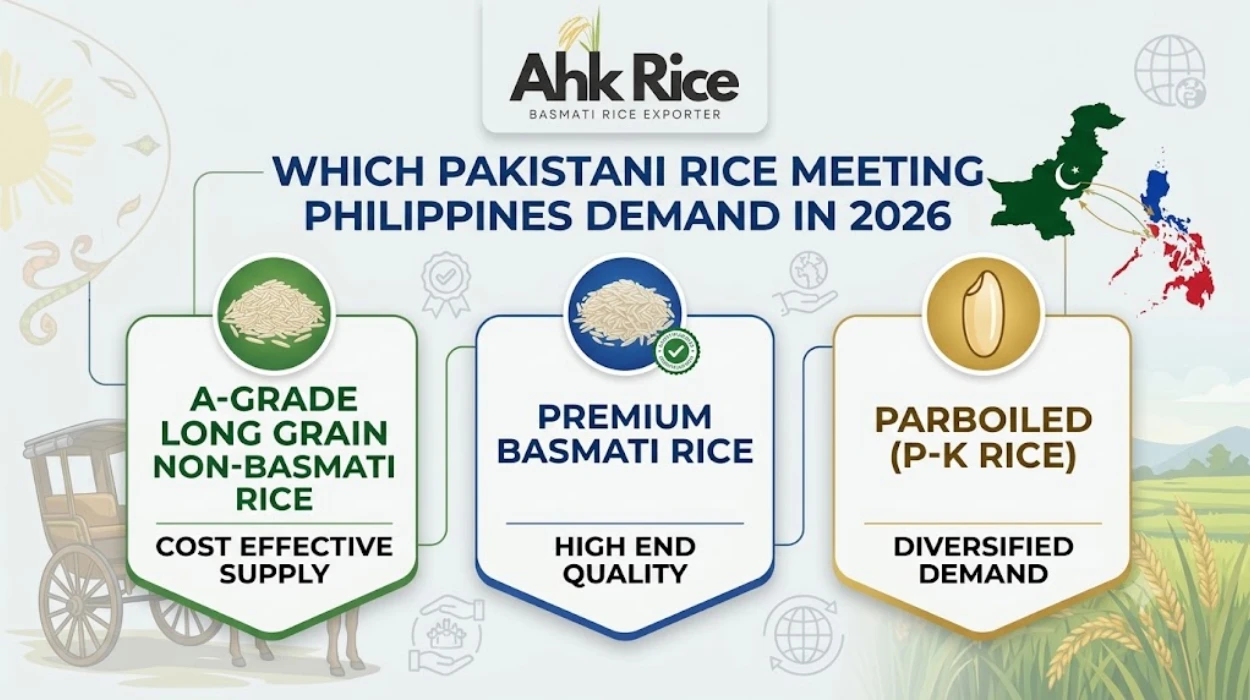
Pakistani rice varieties that best match Philippine market demand are 1121 Basmati, 1509 Basmati, and Super Kernel Basmati. Each variety serves a different buyer segment. Grain length, pricing, shelf life, cooking performance, and consumer preference determine the correct specification. Here is why: Philippine importers increasingly balance affordability with premium positioning, creating demand for multiple Pakistani rice grades rather than a single variety.
The Philippine rice market continues to diversify beyond commodity rice categories. Importers now evaluate origin, grain characteristics, and supply reliability before procurement decisions. Buyers who want a deeper understanding of global rice grades can first explore our guide on different rice varieties and export grades available in international markets before evaluating specific Philippine opportunities.
AHK Rice is a trusted Pakistani Basmati rice exporter based in Punjab, supplying 1121, Super Kernel, and 1509 varieties to more than 15 countries. The company manages milling, grading, packaging, quality inspection, documentation, and export logistics from origin to destination.
What Pakistani rice varieties are most suitable for Philippine importers in 2026?
1121 Basmati, 1509 Basmati, and Super Kernel Basmati meet most Philippine import requirements because they balance grain appearance, cooking performance, affordability, and supply availability. These three varieties serve distinct retail, wholesale, foodservice, and premium distribution channels throughout the Philippines while maintaining strong export consistency.
Philippine importers typically evaluate rice according to consumer purchasing power, intended usage, and retail positioning. Premium supermarkets prioritize grain appearance and aroma. Foodservice operators prioritize consistency and yield. Wholesale distributors prioritize pricing and inventory turnover.
1121 Basmati Rice
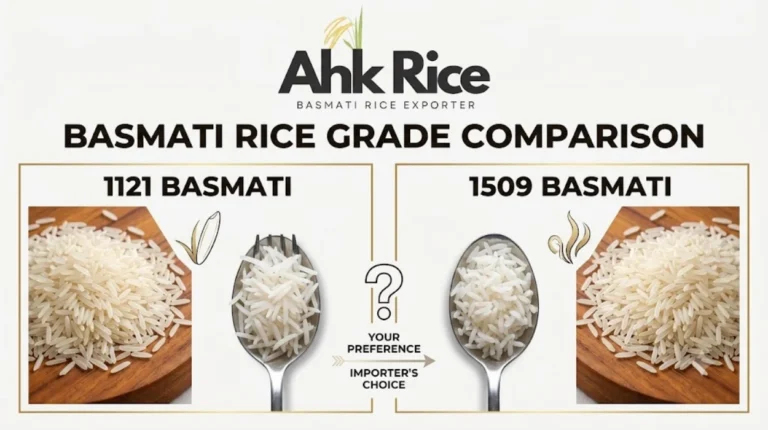
1121 Basmati is the longest grain Basmati variety cultivated in Pakistan. The grain length exceeds 8.3 mm before cooking and expands significantly after cooking.
1121 Basmati serves premium retail chains, restaurants, hotels, and specialty food distributors. The variety delivers strong visual appeal and premium shelf positioning.
1509 Basmati Rice
1509 Basmati offers long grain characteristics with competitive pricing. The variety matures earlier than many traditional Basmati grades and supports larger export volumes.
1509 Basmati serves distributors targeting value-conscious consumers. The variety provides attractive grain appearance without premium pricing levels.
Super Kernel Basmati Rice
Super Kernel Basmati remains one of Pakistan’s most recognized traditional Basmati varieties. The grain delivers a classic aroma profile and reliable cooking performance.
Super Kernel Basmati serves established Basmati consumers who prioritize authenticity and traditional characteristics.
With the primary varieties defined, the next question becomes how these options compare across measurable specifications.
How do Pakistani rice varieties compare for Philippine buyers?
1121 Basmati leads in grain length, 1509 Basmati leads in value pricing, and Super Kernel Basmati leads in traditional aroma. Philippine importers select grades according to customer expectations, retail positioning, and inventory strategy rather than relying on a single specification factor.
1121 vs 1509 vs Super Kernel Basmati
Specification Comparison Table
| Attribute | 1121 Basmati | 1509 Basmati | Super Kernel Basmati |
|---|---|---|---|
| Grain Length | 8.30–8.50 mm | 8.00–8.30 mm | 7.20–7.60 mm |
| Cooked Elongation | 2.0–2.5x | 1.8–2.2x | 1.8–2.0x |
| Aroma Intensity | High | Medium | Very High |
| Market Position | Premium | Value-Premium | Traditional Premium |
| Export Volume Availability | High | Very High | High |
| Shelf Life | 18–24 Months | 18–24 Months | 18–24 Months |
| Relative Price | Highest | Lowest | Medium |
1121 Basmati commands premium positioning because consumers immediately recognize grain length. Restaurants often use the variety when presentation affects customer perception.
1509 Basmati reduces procurement costs while maintaining attractive grain appearance. Philippine wholesalers frequently use this variety for wider market coverage.
Super Kernel Basmati emphasizes aroma and traditional Basmati characteristics. Specialty retailers often prefer this grade for experienced Basmati consumers.
A Philippine distributor supplying luxury supermarkets benefits from 1121 Basmati. A national wholesaler targeting price-sensitive regions benefits from 1509 Basmati. A specialty food importer benefits from Super Kernel Basmati.
With specifications compared, buyers must evaluate how regional demand differs within the Philippine market.
Which rice grades match different Philippine market segments?
Metro Manila typically favors premium presentation grades, while provincial distribution networks often prioritize value-driven specifications. Importers achieve stronger inventory turnover when rice grades align with regional purchasing behavior and channel requirements.
Metro Manila Preference
Metro Manila consumers increasingly purchase premium imported food products. Premium retail chains emphasize packaging quality, grain appearance, and brand differentiation.
1121 Basmati performs strongly within this segment because grain length creates immediate shelf appeal.
Super Kernel Basmati also performs well in specialty retail environments because traditional aroma attracts experienced consumers.
Provincial Market Preference
Provincial markets prioritize affordability and consistent quality. Volume movement often outweighs luxury positioning.
1509 Basmati delivers stronger value for these channels because distributors can maintain competitive retail pricing.
Wholesale buyers frequently choose 1509 Basmati when targeting institutional buyers, regional retailers, and foodservice operators.
Market Preference Comparison
| Market Region | Preferred Grade | Primary Buying Driver |
|---|---|---|
| Metro Manila | 1121 Basmati | Premium appearance |
| Metro Manila | Super Kernel | Traditional aroma |
| Cebu | 1509 Basmati | Value pricing |
| Davao | 1509 Basmati | Wholesale distribution |
| Regional Foodservice | 1509 Basmati | Cost efficiency |
With regional preferences established, procurement decisions require a pricing comparison.
How does pricing differ between Pakistani rice varieties?
1509 Basmati offers the lowest price per metric ton, Super Kernel occupies the middle range, and 1121 Basmati commands premium pricing. Importers maximize profitability by matching procurement costs with target retail positioning and consumer demand.
Indicative Export Price Comparison
| Variety | Average Price Per MT (USD) |
|---|---|
| 1509 Basmati | $850–$1,000 |
| Super Kernel Basmati | $950–$1,150 |
| 1121 Basmati | $1,050–$1,300 |
Prices fluctuate according to harvest conditions, freight rates, exchange rates, and export demand (source: REAP export data, December 2025).
1509 Basmati creates opportunities for competitive retail pricing. Philippine wholesalers frequently select this grade when volume sales are the primary objective.
1121 Basmati generates higher margins in premium retail environments. Consumers often accept premium pricing because the grain visibly differs from standard rice varieties.
Super Kernel Basmati occupies a balanced position between premium quality and procurement cost.
Pricing explains procurement economics. Shelf life explains inventory management requirements.
How does shelf life affect rice import decisions?
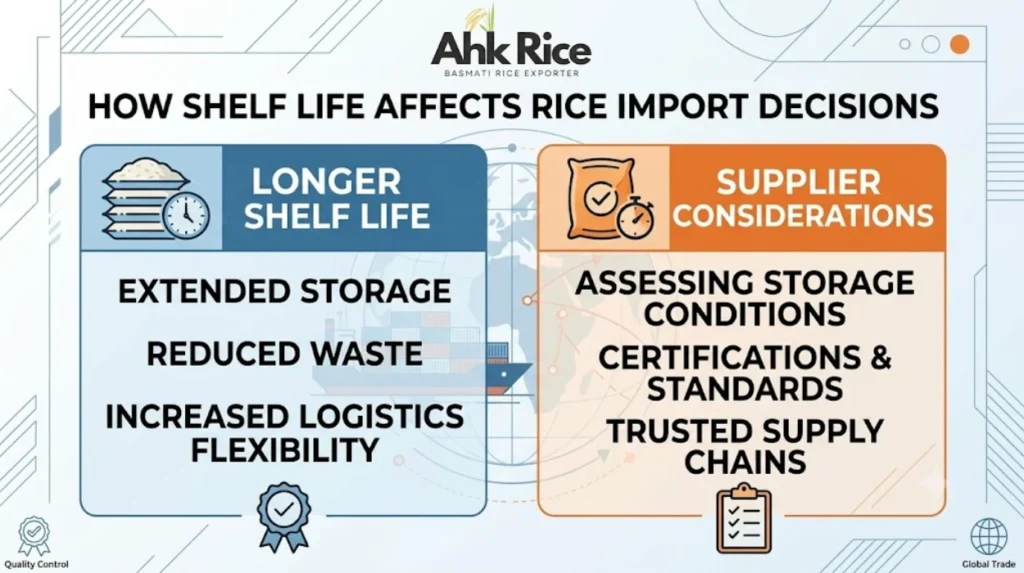
All three varieties maintain commercial quality for 18–24 months when stored correctly. Packaging quality, moisture control, warehouse conditions, and inventory rotation have greater impact than variety selection alone.
Shelf Life Comparison
| Variety | Typical Shelf Life |
|---|---|
| 1121 Basmati | 18–24 Months |
| 1509 Basmati | 18–24 Months |
| Super Kernel Basmati | 18–24 Months |
Moisture control protects grain quality during long-distance shipping. Exporters typically test moisture levels before dispatch.
Polypropylene bags support cost-efficient storage. Laminated retail packaging supports premium shelf presentation.
Warehouse temperature affects inventory performance. A 40°C storage facility requires faster inventory rotation than climate-controlled storage.
Golden Sella rice typically withstands extended storage conditions better than steam rice because parboiling strengthens grain structure. Catering operators storing inventory for extended periods often select parboiled grades for this reason.
Shelf life considerations naturally lead to evaluating advantages and limitations.
What are the pros and cons of each rice variety?
1121 delivers premium appearance, 1509 delivers pricing advantages, and Super Kernel delivers traditional aroma. Each variety creates specific commercial benefits and trade-offs depending on the buyer’s target market and distribution strategy.
1121 Basmati
Pros
- Premium grain length
- Strong retail presentation
- High consumer recognition
- Excellent cooked appearance
Cons
- Higher procurement cost
- Premium pricing limits some market segments
1509 Basmati
Pros
- Competitive pricing
- Strong supply availability
- Attractive grain length
- Efficient inventory turnover
Cons
- Lower premium perception
- Moderate aroma profile
Super Kernel Basmati
Pros
- Traditional Basmati aroma
- Established market reputation
- Balanced pricing
Cons
- Shorter grain than 1121
- Less visual differentiation
Understanding strengths and weaknesses helps buyers select the most suitable procurement strategy.
Which Pakistani rice variety works best for different importing scenarios?
1121 suits premium retail, 1509 suits volume distribution, and Super Kernel suits specialty Basmati markets. Importers achieve better profitability when procurement strategy matches customer expectations instead of focusing solely on purchase price.
Decision Framework
| Buyer Scenario | Recommended Variety | Reason |
|---|---|---|
| Premium Supermarkets | 1121 Basmati | Visual appeal |
| Luxury Restaurants | 1121 Basmati | Plate presentation |
| National Wholesalers | 1509 Basmati | Competitive pricing |
| Regional Foodservice | 1509 Basmati | Cost efficiency |
| Specialty Importers | Super Kernel | Traditional aroma |
Importers serving multiple channels often source more than one variety. This approach expands market coverage and reduces dependence on a single customer segment.
Buyers evaluating procurement strategies can also review our detailed guide on how Philippine distributors structure supplier negotiations and bulk purchasing agreements from Pakistan to understand sourcing considerations beyond product selection.
1121 Basmati, 1509 Basmati, and Super Kernel Basmati are the Pakistani rice varieties that best meet Philippine market demand. Each variety addresses a specific commercial requirement. 1121 targets premium presentation. 1509 targets value-driven distribution. Super Kernel targets traditional Basmati consumers. Importers who align rice specifications with regional demand, pricing expectations, and inventory strategy achieve stronger long-term results.
Frequently Asked Questions
Which Pakistani rice variety is most popular in premium Philippine retail stores?
1121 Basmati is the preferred premium retail variety because its grain length exceeds 8.3 mm and creates strong shelf appeal.
Which rice variety offers the best value for Philippine wholesalers?
1509 Basmati offers the strongest value proposition because it combines attractive grain appearance with competitive pricing.
Does Super Kernel Basmati have a stronger aroma than 1121?
Yes. Super Kernel Basmati delivers a more traditional aroma profile while 1121 emphasizes grain length and presentation.
What shelf life should importers expect from Pakistani Basmati rice?
Importers can expect 18–24 months of shelf life when moisture levels, packaging quality, and storage conditions remain controlled.
Can Philippine importers source multiple Pakistani rice grades together?
Yes. Many importers procure 1121, 1509, and Super Kernel Basmati together to serve premium, wholesale, and specialty retail channels simultaneously.