Why Golden Sella Is the Most Exported Parboiled Basmati Grade from Pakistan
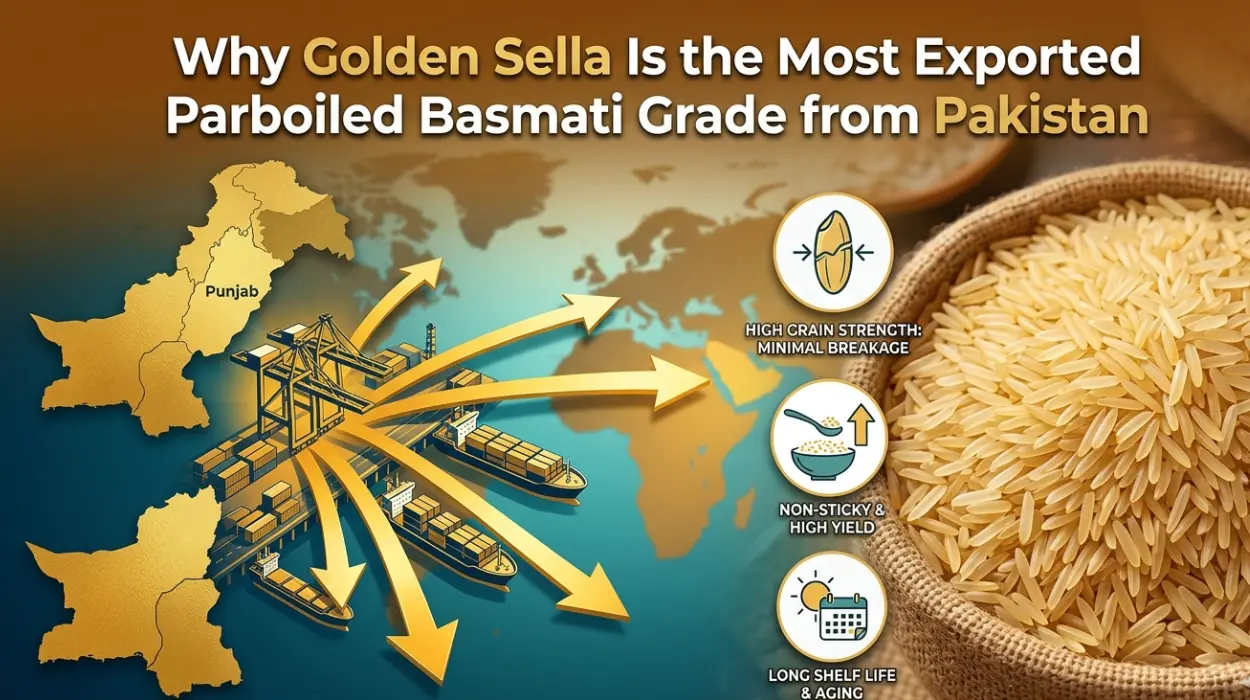
Golden Sella is the most exported parboiled Basmati grade from Pakistan because it combines the elongation and aroma of Basmati with the stability, shelf life, and transport‑friendly properties of parboiled rice. This grade is grown in the Punjab region, processed through a controlled parboiling method, and then polished and graded for international markets that demand long‑haul, high‑quality rice.
What is Golden Sella?
Golden Sella, or Golden Sella Basmati, is a parboiled form of Pakistani Basmati rice that is partially precooked, dried, and milled so that it retains a golden hue while preserving Basmati’s long grains and aromatic properties.
Golden Sella is defined by its stage of processing. Basmati paddy first undergoes standard threshing and husking to produce brown rice. Before final milling, this rice is soaked in warm water, steamed, and then dried again, a sequence called parboiling. After parboiling, the rice is hulled, milled, and sorted to produce Golden Sella, which keeps more nutrients in the grain than fully milled white Basmati.
Within product classification, Golden Sella sits between raw Basmati (like 1121, 1509, or PK‑385) and fully steamed white Basmati. Its parboiled structure makes it less prone to breakage, more uniform in cooking, and more stable for long‑term storage and shipping. In grading systems used by Pakistani exporters, Golden Sella is divided into length categories such as 1121 Golden Sella, Super Kernel Golden Sella, and 1509 Golden Sella, each matching the original Basmati variety but with modified colour and texture.
Where is Golden Sella Basmati grown?
Golden Sella Basmati is grown in the fertile river‑fed plains of Punjab, Pakistan, where warm days, cool nights, and consistent water supply create ideal conditions for long‑grain Basmati varieties.
The core Golden Sella‑suitable areas include districts such as Gujranwala, Sheikhupura, Sialkot, Gujrat, and parts of Faisalabad and Jhang. These zones provide well‑structured sandy loam soils, good drainage, and access to canal and tube‑well water, which are essential for Basmati cultivation. Farmers in these regions typically plant Basmati after the spring harvest, using certified seed of 1121, 1509, or Super Kernel types.
Climate and irrigation are critical. Basmati requires a 120–150‑day growth cycle with a dry, cool period before harvest to preserve aroma and grain length. In Punjab, this is achieved through controlled flooding and drainage during the Kharif season. After harvest, the paddy is sun‑dried and stored in controlled‑humidity warehouses before being sent to parboiling units, where it will later become Golden Sella.
How is Golden Sella processed step by step?
Golden Sella is processed by receiving Basmati paddy, then parboiling (soaking, steaming, drying), followed by hulling, milling, grading, polishing, and finally packaging for export.
The first step is paddy preparation. Cleaned Basmati paddy is deglumed and graded by size and moisture. Then the paddy is soaked in warm water tanks at around 60–80°C for 1–3 hours, depending on the target parboil intensity. Soaking allows water to penetrate the kernel, softening the starch and preparing it for gelatinisation.
The second step is steaming. After soaking, the paddy is placed in pressurised steam chambers for 20–40 minutes. The combination of heat and moisture converts the starch into a semi‑gelatinised state, which strengthens the grain and reduces breakage. The steam pressure, temperature, and time are calibrated so that the grain attains a mild golden colour without becoming over‑cooked or losing aroma.
The third step is drying. The steamed paddy is spread in controlled‑temperature dryers for several hours to reduce moisture to 12–14%. Uniform drying is essential so that kernels do not crack during milling. Poor or uneven drying causes hair‑cracking and breakage, which lowers the exportable yield.
The fourth step is hulling and milling. The dry paddy is passed through friction hullers that remove the husk, then through multi‑stage rice mills that polish the grain. During this stage, the goal is to remove the outer bran layer while preserving length and preventing grain fractures. The result is Golden Sella, which has a light golden‑yellow appearance, glossy finish, and intact long grains.
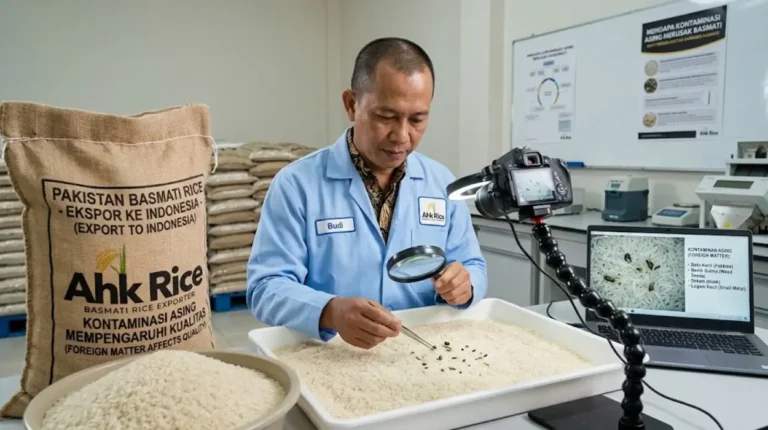
The fifth step is grading and sorting. Machines use optical sorters, colour sorters, and length‑based sieves to separate Golden Sella into 1121, Super Kernel, and 1509 categories. Each category is inspected for length, whiteness, and foreign‑material levels. The final product is then cooled, stored in climate‑controlled silos, and prepared for packing.
What are the key components and technical features of Golden Sella?
Key components of Golden Sella are its parboiled structure, long grain, golden colour, low breakage, and stable moisture content, all of which support high‑quality export and easy cooking.
The parboiled structure is the most important technical feature. Partial precooking gelatinises the starch inside the grain, making it firmer and less prone to mushiness after cooking. This structure also causes the grain to retain water more evenly, so Golden Sella typically yields a longer, fluffier cooked grain than standard white Basmati, with less clumping.
Golden Sella is graded by length, just like raw Basmati. The 1121 Golden Sella grading system requires grains longer than 7.0 mm, with uniform width and maximum 5–7% broken grains. Super Kernel Golden Sella consists of the longest, most premium segments, often above 7.5 mm, with a lower breakage and higher head‑rice recovery. 1509 Golden Sella has a shorter but still long‑grain profile, typically between 6.5–7.0 mm, which some markets prefer for specific dishes.
Moisture and whiteness levels are tightly controlled. For export, moisture usually ranges from 11–14%, and whiteness is optimised so that the rice appears bright golden without dullness or dark spots. The colour is not from artificial dyes but from the parboil intensity and natural starch migration. Quality‑control labs regularly test for moisture, grain length, and impurity levels to ensure compliance with international standards.
What are the main benefits of Golden Sella compared with raw Basmati?
Golden Sella offers longer shelf life, more consistent cooking, lower breakage, and higher durability in transport compared with raw Basmati, which makes it the preferred choice for large‑volume export.
Because Golden Sella is parboiled, the grain is more stable. The precook‑like structure reduces moisture migration within the kernel, which slows spoilage and insect infestation. Many exporters report that Golden Sella can remain in container‑level storage for 12–18 months without significant quality loss, whereas raw Basmati may degrade faster if humidity and temperature fluctuate.
Golden Sella also produces more uniform cooked rice. The parboil stage ensures that the starch is partially set, so grains expand consistently without turning sticky or gluey. This is important for retail and food‑service buyers who need predictable performance across batches. In food‑service conditions and large‑scale catering, Golden Sella’s low breakage and stable elongation reduce waste and improve yield per kilogram.
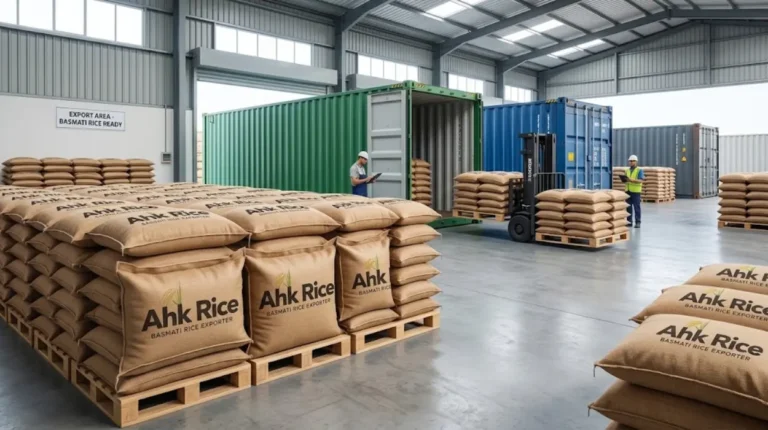
From a logistics standpoint, Golden Sella handles shipping better than raw Basmati. The harder grain resists fracture during conveyors, bagging, and long‑haul sea transport. This durability reduces the proportion of broken grains at the port, which is critical because importers often penalise shipments above 5–7% breaks.
In which countries and markets is Golden Sella most traded?
Golden Sella is most traded in the Middle East, North Africa, and parts of Europe and Asia, where large‑scale importers, supermarkets, and food‑service chains demand long‑grain parboiled Basmati with stable performance.
Key import countries include Saudi Arabia, UAE, Kuwait, Qatar, Iraq, Jordan, and other Gulf Cooperation Council states. In these markets, Golden Sella is used in biryani, pilaf, and everyday family meals because it retains grain separation and aroma after long cooking. The GCC region accounts for a large share of Pakistan’s overall Golden Sella export volume, with many importers specifying 1121 Golden Sella as the premium grade.
In North Africa, countries such as Egypt, Algeria, Morocco, and Tunisia also import Golden Sella for both retail and industrial use. The grade is packaged in 1, 5, 10, 25, and 50‑kg consumer packs as well as in bulk for hotel kitchens and catering operations. Latin American and East African markets are smaller but growing, especially where Pakistani exporters push Golden Sella as a value‑for‑money alternative to European‑branded parboiled Basmati.
Within Europe, Golden Sella enters mainly through UK, Germany, and the Netherlands, where blending companies and private‑label brands use it in multi‑grain rice mixes and ready‑to‑cook formats. These buyers favour Golden Sella because it can be blended with other rice types without compromising texture or cooking time. In total, Golden Sella contributes a significant portion of Pakistan’s parboiled rice exports, with 1121 Golden Sella often cited as the single most traded Sella Basmati type.
What are the common problems and misconceptions about Golden Sella?
Common problems with Golden Sella include over‑boiling, wrong soaking ratios, and confusion about its colour being artificial, while some buyers wrongly assume that Golden Sella is always inferior to raw Basmati in aroma and taste.
Over‑boiling is a frequent cooking issue. If Golden Sella is boiled for too long or with too much water, the grain loses its firm texture and becomes soft and gluey. The recommended method is 1.5–2 cups of water per cup of rice, a brief 10–15 minute cooking time, and a rest period after boiling. This preserves the grain’s elongation and bite.
Another misconception is that the golden colour indicates artificial enhancement. The yellow hue is a result of the parboil process, during which the bran layer migrates inward and reacts with starch. No dye is required to produce Golden Sella, provided the parboiling and drying are controlled correctly. Export‑oriented units follow strict process tolerances so that colour remains consistent across batches.
Some buyers still believe that raw Basmati is inherently superior in aroma and that parboiling “kills” fragrance. In reality, Golden Sella retains much of the Basmati aroma, but the intensity may be slightly lower than raw 1121 if the parboil cycle is too long or the temperature too high. When processed correctly, 1121 Golden Sella maintains a clear nutty‑floral fragrance that is distinguishable from generic parboiled rice.
Another technical issue is inconsistency in broken‑grain percentages. Poor milling, excessive polishing, or improper drying can raise the broken‑grain share above 7%, which affects both appearance and price. Reputable exporters address this with calibrated machinery, regular maintenance, and lab‑based grain‑quality checks before shipment.
What certifications and standards apply to Golden Sella exports?
Golden Sella exports must comply with national rice‑quality standards, international food‑safety certifications, and voluntary labels such as ISO, HACCP, and in some cases halal or organic schemes.
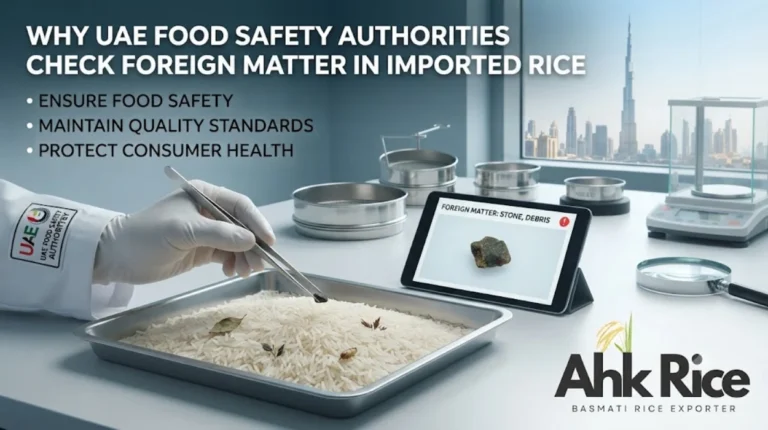
Pakistan’s official rice standards, set by the Pakistan Standards and Quality Control Authority (PSQCA), define requirements for Golden Sella: maximum moisture, maximum broken grains, permissible chalky or damaged kernels, and acceptable foreign‑material levels. Export shipments are tested against these benchmarks before clearance. Labs check for physical properties, and in many cases for mycotoxins and pesticide residues as well.
For international trade, Golden Sella often carries ISO 22000, HACCP, or equivalent food‑safety certifications that cover the washing, parboiling, milling, storage, and packaging stages. These certifications verify that the processing line follows hygienic, traceable procedures and that potential hazards are controlled. Some importers require additional documentation, such as certificates of analysis per batch and proof of metal‑detector‑clean production.
In certain markets, Golden Sella is certified as halal, indicating that the entire processing chain complies with Islamic dietary rules. In niche segments, buyers may request organic‑certified Golden Sella, which requires certified organic Basmati paddy, chemical‑free storage, and dedicated milling lines to avoid cross‑contamination. Exporters must maintain clear records and audit trails to support these claims when Golden Sella enters high‑specification markets.