Why Pakistani Sella Basmati Rice Is Growing in the US Ethnic Food Market
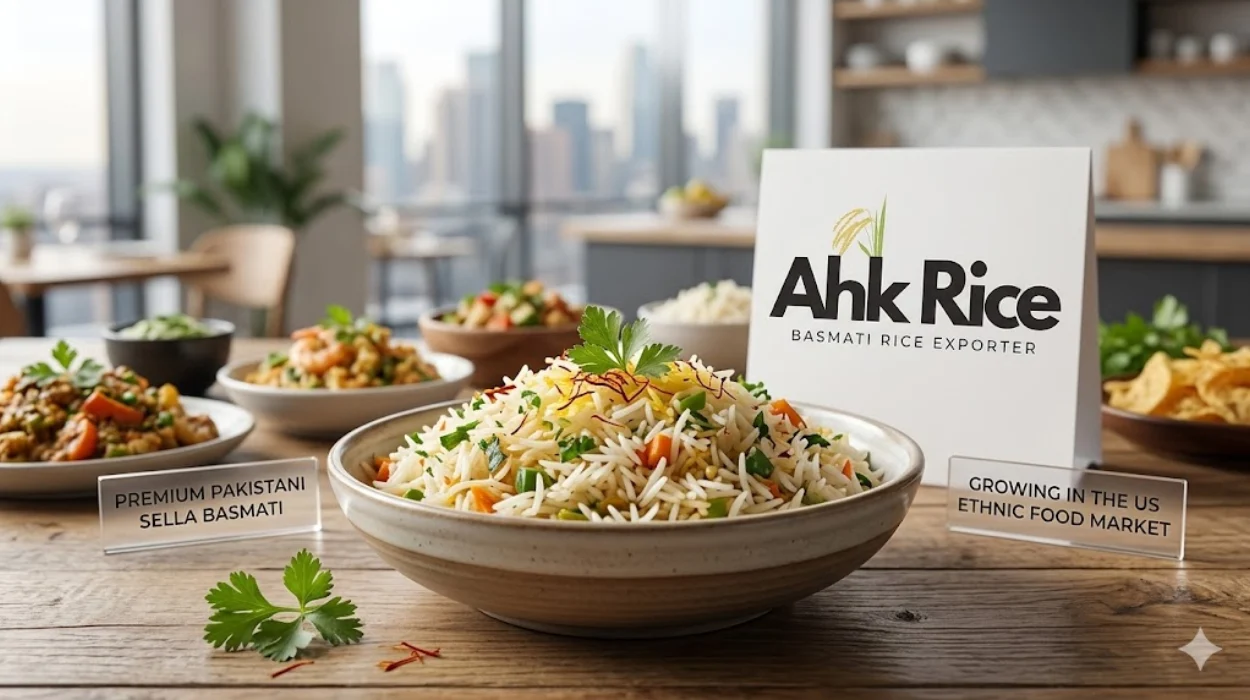
Pakistani Sella Basmati rice is growing in the US ethnic food market because it combines long grain length, strong cooking performance, extended shelf life, and compatibility with South Asian, Middle Eastern, and fusion cuisines. Here is why: US consumers increasingly seek authentic ethnic foods, and Sella Basmati delivers the texture, aroma, and consistency required by restaurants and households alike.
The US ethnic food sector continues expanding as immigrant populations grow and mainstream consumers adopt international cuisines. Pakistani Sella Basmati rice occupies an important position within this trend because it serves multiple culinary traditions while maintaining stable quality during storage and transportation.
Rice buyers, distributors, retailers, and foodservice operators increasingly source Sella Basmati for biryani, pulao, catering meals, and ready-to-cook food products. Understanding what Sella Basmati rice is, how it is processed, and why demand continues increasing explains its growing role across the American food industry.
What Is Pakistani Sella Basmati Rice?
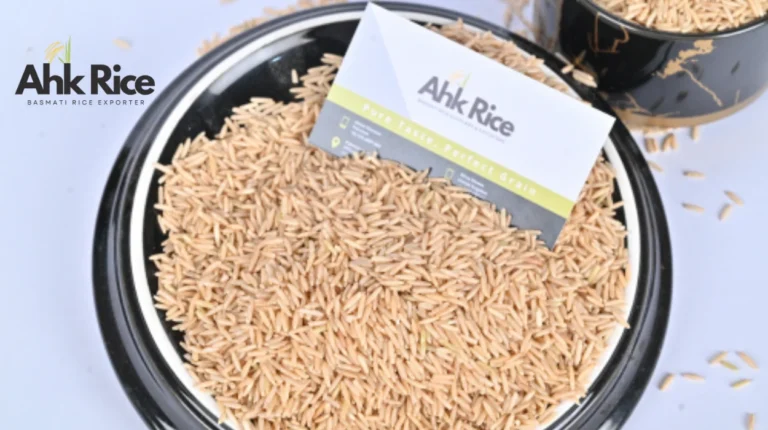
Parboiled Basmati rice processed before milling, featuring long grains, improved strength, lower breakage rates, and enhanced shelf stability.
Pakistani Sella Basmati rice is a type of Basmati rice that undergoes a controlled parboiling process before milling. Parboiling transfers nutrients from the outer layers into the grain and strengthens the rice structure.
Basmati rice refers to aromatic long-grain rice cultivated primarily in the Punjab region of Pakistan and India. Pakistani Basmati varieties grow in fertile alluvial soil and receive irrigation from the Indus River system.
Sella rice differs from white Basmati because processors soak, steam, and dry paddy before milling. This process changes grain characteristics and improves durability during handling and cooking.
Pakistani Sella Basmati rice is available in several commercial grades.
1121 Sella Basmati Rice
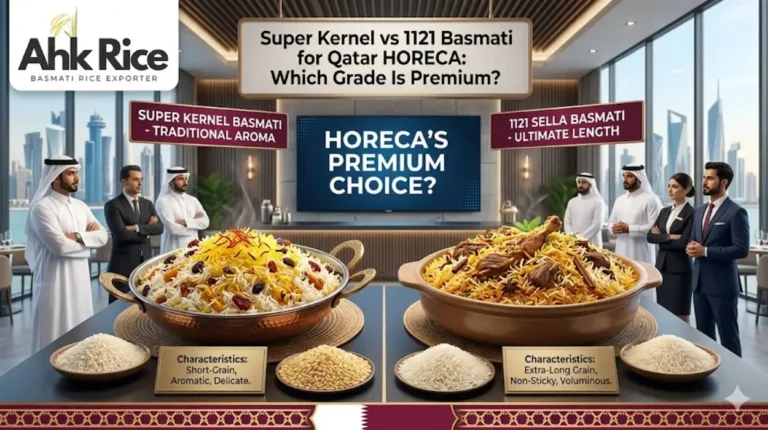
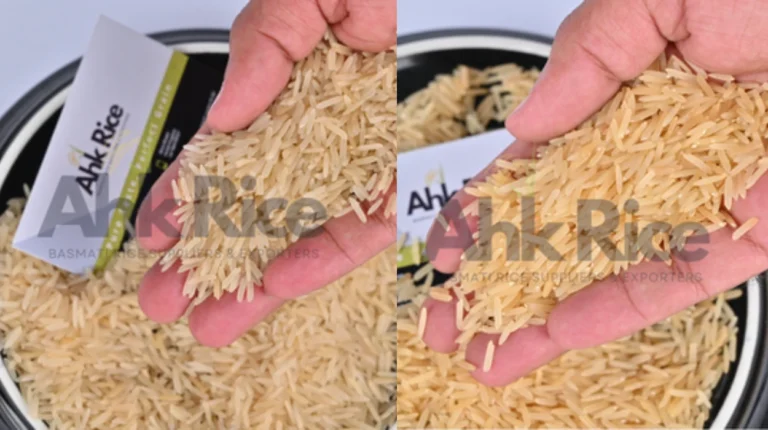
1121 Sella Basmati is known for its exceptional grain length. Raw grain length commonly measures 8.20–8.40 mm. Cooked grains can elongate up to twice their original length.
Super Kernel Sella Basmati Rice
Super Kernel Sella Basmati offers traditional aroma and premium appearance. This grade remains popular among buyers seeking authentic Basmati characteristics.
1509 Sella Basmati Rice
1509 Sella Basmati matures faster than traditional varieties. This grade provides competitive pricing and reliable cooking performance.
Pakistani Sella Basmati rice definition establishes its identity. The next question is how the parboiling process creates its distinctive characteristics.
How Does Pakistani Sella Basmati Rice Work?
Soaking, steaming, drying, milling, grading, and sorting transform harvested paddy into durable rice with stronger grain structure and longer storage life.
Parboiling changes the internal structure of rice grains before milling. Heat and moisture move nutrients into the grain and reduce brittleness.
The process follows a series of controlled production stages.
Step 1: Clean the Paddy
Clean the harvested paddy to remove dust, stones, straw, and foreign material. Cleaning protects processing equipment and improves product quality.
Step 2: Soak the Paddy
Soak the paddy in water under controlled temperature conditions. Soaking allows moisture to penetrate the grain.
Step 3: Steam the Grain
Steam the soaked paddy to gelatinize starches inside the grain. Steaming strengthens the rice structure.
Step 4: Dry the Paddy
Dry the steamed paddy until moisture reaches the required level for milling. Controlled drying prevents cracking.
Step 5: De-husk the Grain
De-husk the dried paddy to remove the outer husk while preserving grain integrity.
Step 6: Mill the Rice
Mill the rice to remove bran layers according to the target specification.
Step 7: Grade by Size
Grade the rice according to grain length and quality requirements.
Step 8: Sort by Color
Sort grains using optical color sorting equipment. Color sorting removes defective kernels.
Step 9: Inspect and Pack
Inspect the finished rice and pack according to export specifications.
Parboiled rice behaves differently during cooking because starch structures become more stable. This stability explains many of the benefits discussed in the next section.
What Are the Key Components of Pakistani Sella Basmati Rice?
Long grains, aromatic compounds, parboiled starch structure, moisture control systems, and quality grading standards define Pakistani Sella Basmati rice.
Several components determine rice quality and market acceptance.
Grain Length
Grain length represents one of the most important commercial specifications. Premium Basmati grades often exceed 8.00 mm before cooking.
Aroma Compounds
Natural aromatic compounds create the characteristic Basmati fragrance. Aroma differentiates Basmati from ordinary long-grain rice.
Starch Structure
Parboiling alters starch composition. Modified starch structure reduces grain breakage and improves cooking consistency.
Moisture Control
Moisture management influences shelf life and storage performance. Export rice commonly maintains moisture levels within specified industry limits.
Quality Grading
Quality grading categorizes rice according to grain length, purity, broken percentage, and appearance.
Common export grades include:
- Extra Long Grain
- Premium Grade
- Sortex Grade
- Double Sortex Grade
- Low Broken Grade
- Medium Broken Grade
- Customized Buyer Specification Grade
These quality components determine performance. Understanding their advantages explains growing demand in the US market.
What Benefits Drive Demand in the US Ethnic Food Market?
Long grain appearance, cooking consistency, extended shelf life, strong absorption capacity, and versatility support increasing demand across multiple cuisines.
US food businesses value consistency because standardized products simplify purchasing and menu planning.
Long Grain Presentation
Sella Basmati produces visually appealing cooked rice. Long grains enhance plate presentation in restaurants and catering operations.
Lower Breakage
Parboiled grains resist breakage during transportation and handling. Lower breakage improves commercial yield.
Better Shelf Stability
Sella rice stores effectively for extended periods under proper warehouse conditions.
Golden Sella generally maintains quality longer than Steam rice. In a warehouse operating at 40°C, Golden Sella can maintain commercial quality for approximately 18 months, while Steam rice performs best within approximately 12 months.
For distributors managing large inventory volumes, longer storage capability improves inventory flexibility.
Improved Cooking Performance
Sella rice remains separate after cooking. Grain separation supports dishes such as biryani, pulao, mandi, and kabsa.
Multi-Cuisine Compatibility
US consumers increasingly prepare diverse cuisines.
Examples include:
- South Asian biryani
- Middle Eastern kabsa
- Persian rice dishes
- Fusion rice bowls
- Restaurant buffet meals
These benefits explain demand growth. The next section examines the specific industries using Pakistani Sella Basmati rice.
Where Is Pakistani Sella Basmati Rice Used in the United States?
Restaurants, catering companies, ethnic grocery stores, wholesalers, meal manufacturers, and institutional foodservice operators use Sella Basmati rice extensively.
Different sectors use different grades based on operational requirements.
Ethnic Restaurants
South Asian restaurants rely on Basmati rice for biryani and pulao preparation.
Middle Eastern restaurants use Basmati rice in mandi, kabsa, and grilled meat platters.
Catering Operations
Catering businesses prefer rice that remains stable during large-batch preparation.
Sella rice performs effectively in banquet and event service because grains stay separate after cooking.
Ethnic Retail Stores
Ethnic grocery stores supply immigrant communities seeking authentic ingredients.
Pakistani, Indian, Afghan, Arab, and Persian consumers represent major retail demand segments.
Food Manufacturing
Manufacturers use Basmati rice in frozen meals, ready-to-eat products, and meal kits.
Stable cooking performance supports large-scale production systems.
Institutional Foodservice
Universities, hospitals, and corporate cafeterias increasingly serve global menu options.
Basmati rice helps institutions diversify menu offerings.
These use cases demonstrate broad adoption. Understanding market growth requires examining import trends and buyer preferences.
Why Are US Buyers Increasingly Importing Pakistani Sella Basmati Rice?
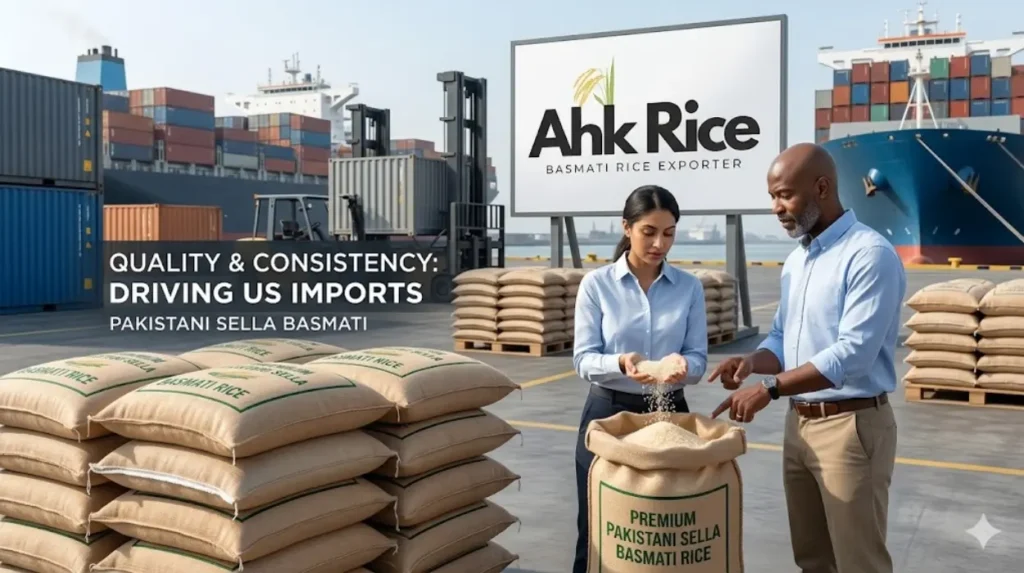
Population growth, ethnic cuisine expansion, premium food preferences, and increasing restaurant demand support rising import volumes.
The United States remains one of the world’s largest food import markets.
Ethnic food categories continue expanding across retail and foodservice channels. South Asian cuisine growth contributes significantly to rice demand.
Pakistani rice exports have expanded across international markets because buyers seek authentic Basmati characteristics (source: REAP export data, December 2025).
US consumers increasingly recognize regional food identities. Basmati rice benefits from this trend because it represents a distinct rice category rather than a generic commodity product.
Premium rice categories also benefit from increasing consumer interest in ingredient quality. Food shoppers frequently evaluate grain length, aroma, origin, and cooking performance before purchase.
Market demand explains import growth. Buyers also need to understand common misconceptions surrounding Sella Basmati rice.
What Misconceptions Exist About Pakistani Sella Basmati Rice?
Parboiled rice is not lower quality, not less aromatic, and not nutritionally inferior to conventional white rice.
Several misconceptions influence purchasing decisions.
Misconception 1: Sella Rice Is Inferior
Sella rice undergoes additional processing steps rather than reduced processing. The process improves durability and storage performance.
Misconception 2: Sella Rice Lacks Aroma
Premium Pakistani Sella Basmati retains characteristic Basmati aroma. Aroma intensity varies by variety and crop conditions.
Misconception 3: Sella Rice Cooks Like Ordinary Rice
Sella Basmati behaves differently from standard long-grain rice. Grain elongation and separation create distinctive cooking results.
Misconception 4: All Basmati Grades Are Identical
1121, Super Kernel, and 1509 varieties differ significantly.
1121 provides greater grain length than Super Kernel. Super Kernel offers traditional characteristics valued in premium markets. 1509 delivers efficient production and competitive pricing.
For restaurant operators seeking maximum visual impact, 1121 specification often becomes the preferred choice. For buyers prioritizing traditional aroma profiles, Super Kernel remains a strong option.
These misconceptions clarify product realities. The final section examines quality standards and certifications supporting international trade.
What Certifications and Quality Standards Apply to Pakistani Sella Basmati Rice?
Food safety certifications, phytosanitary compliance, laboratory testing, and export documentation support international trade requirements.
International rice trade depends on verification and documentation.
Common certifications include:
- ISO 22000
- HACCP
- FDA Registration
- Halal Certification
- Phytosanitary Certification
- Certificate of Origin
- Fumigation Certificate
- Quality Inspection Reports
Quality control programs inspect rice throughout production.
Testing procedures commonly verify:
- Moisture content
- Grain length
- Broken percentage
- Purity level
- Foreign matter
- Microbiological parameters
Export documentation ensures compliance with destination country regulations.
The certification framework completes the picture of how Pakistani Sella Basmati rice reaches international buyers and supports its expanding presence in the US ethnic food market.
Authentic flavor, strong cooking performance, long grain appearance, and reliable supply characteristics position Pakistani Sella Basmati rice as a growing staple within the US ethnic food market.
Pakistani Sella Basmati rice combines agricultural heritage, specialized parboiling technology, strict grading systems, and international quality standards. These factors support demand across retail, restaurant, catering, and food manufacturing sectors. As ethnic cuisines continue expanding throughout the United States, Sella Basmati rice remains an increasingly important ingredient for consumers seeking authentic global food experiences.
Frequently Ask Questions
What is Pakistani Sella Basmati rice?
Pakistani Sella Basmati rice is a parboiled form of Basmati rice cultivated in Punjab, Pakistan. Processors soak, steam, and dry the paddy before milling. This process strengthens the grain and improves cooking performance. Sella rice produces long, separate grains after cooking. It is widely used in biryani, pulao, and Middle Eastern rice dishes.
Why is Pakistani Sella Basmati rice popular in the US ethnic food market?
Pakistani Sella Basmati rice matches the requirements of South Asian, Middle Eastern, and multicultural cuisines. Restaurants value its grain separation and consistency. Retail consumers prefer its aroma and long-grain appearance. Foodservice operators benefit from its extended shelf life. These characteristics support growing demand across US ethnic food channels.
How is Sella Basmati rice different from white Basmati rice?
Sella Basmati rice undergoes a parboiling process before milling, while white Basmati does not. Parboiling strengthens the grain structure and reduces breakage. Sella rice generally stores longer and performs better in large-scale cooking. White Basmati offers a lighter color and softer texture. Both belong to the same Basmati rice family but serve different market preferences.
Which Pakistani Sella Basmati rice grades are most commonly exported?
The most widely exported grades include 1121 Sella, Super Kernel Sella, and 1509 Sella Basmati rice. 1121 Sella offers exceptional grain length and visual appeal. Super Kernel Sella provides traditional aroma and premium quality. 1509 Sella delivers strong value and reliable performance. Each grade serves different retail and foodservice requirements.
What dishes are commonly prepared with Pakistani Sella Basmati rice?
Pakistani Sella Basmati rice is commonly used in biryani, pulao, kabsa, mandi, and rice platters. The grains remain separate after cooking, creating an attractive presentation. Catering companies use it for banquet meals and large events. Restaurants rely on it for authentic ethnic cuisine. Home consumers also use it for everyday rice dishes.
What certifications are important for Pakistani Sella Basmati rice exports?
International buyers often require ISO 22000, HACCP, Halal, and FDA-related compliance documentation. Export shipments also include phytosanitary certificates and certificates of origin. Quality inspection reports verify grain specifications before shipment. Laboratory testing confirms purity and moisture levels. These certifications support food safety and international trade compliance.
How long can Pakistani Sella Basmati rice be stored?
Properly stored Pakistani Sella Basmati rice maintains quality for extended periods. Golden Sella grades generally offer longer shelf stability than Steam rice. Storage areas should remain clean, dry, and well ventilated. Moisture control is essential for preserving grain quality. Commercial warehouses often store Sella rice for many months without quality loss.
Why do restaurants prefer Pakistani Sella Basmati rice?
Restaurants prefer Pakistani Sella Basmati rice because it delivers consistent cooking results. The grains elongate well and remain separate after cooking. Large-scale kitchens benefit from reduced breakage and strong holding performance. The rice enhances presentation in premium dishes. These characteristics improve operational efficiency and customer satisfaction.