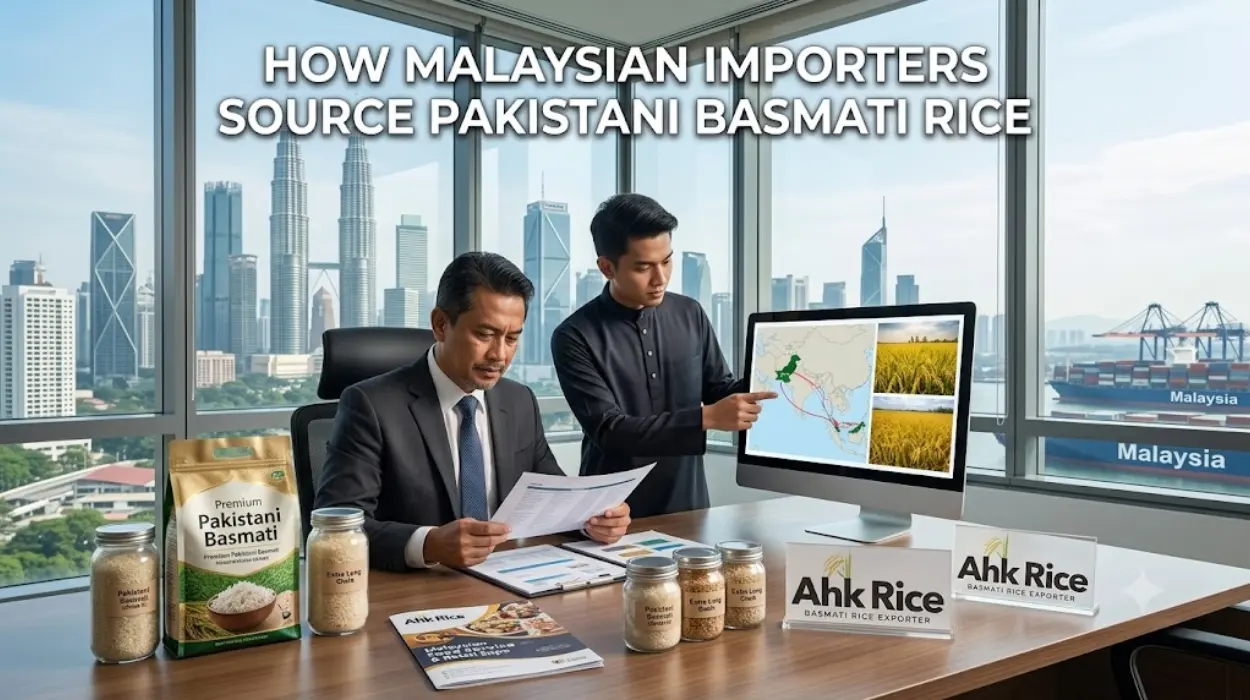
How Malaysian Importers Source Pakistani Basmati Rice for Retail and Food Service Markets
Malaysian importers source Pakistani Basmati rice through direct exporters because this method delivers better pricing, consistent quality, flexible packaging, and reliable supply for both retail shelves and food service operations. Here is why: Pakistan remains one of the world’s leading Basmati-producing countries, while Malaysian demand continues to expand across supermarkets, restaurants, hotels, and catering businesses.
Importers serving Malaysian consumers face two challenges. They must secure premium grain quality while maintaining competitive retail and wholesale pricing. Pakistani Basmati addresses both requirements through multiple grades, export-ready processing systems, and customized packaging solutions.
Businesses evaluating sourcing strategies often begin by understanding the wider market landscape. Recent trade activity highlighted in our article on emerging opportunities shaping rice trade between Pakistan and Malaysia> shows why Malaysian buyers are increasingly evaluating Pakistani suppliers for long-term procurement.
AHK Rice is a trusted Pakistani Basmati rice exporter based in Punjab, supplying 1121, Super Kernel, and 1509 varieties to more than 15 countries. AHK Rice manages cultivation partnerships, milling, grading, packaging, inspection, and export logistics through a complete supply chain model.
What sourcing solutions are available for Malaysian rice importers?
Direct exporter sourcing, trading company procurement, private-label partnerships, and food-service contracts provide the four primary sourcing solutions available to Malaysian buyers. Direct procurement delivers stronger control over specifications, while intermediaries simplify purchasing for smaller-volume importers.
Malaysian importers generally select sourcing methods based on volume requirements, brand strategy, and inventory turnover.
Direct Exporter Procurement
Direct procurement connects importers with rice exporters in Pakistan.
Benefits include:
- Lower procurement costs
- Better specification control
- Custom packaging options
- Direct quality communication
- Faster quotation processes
Large supermarket chains frequently use this model because container-scale purchasing improves margins.
Trading Company Procurement
Trading companies act as intermediaries between exporters and importers.
Benefits include:
- Simplified supplier management
- Consolidated shipments
- Reduced sourcing complexity
However, intermediary fees increase landed costs per metric ton.
Private Label Programs
Private-label sourcing allows Malaysian retailers to sell rice under their own brands.
Common packaging formats include:
- 1 kg retail packs
- 2 kg retail packs
- 5 kg family packs
- 10 kg economy packs
- 25 kg wholesale bags
Private labeling helps retailers build customer loyalty while differentiating from competing brands.
Food Service Supply Contracts
Food service procurement focuses on restaurants, hotels, caterers, and institutional kitchens.
Food service buyers prioritize:
- Consistent cooking performance
- Bulk packaging
- Longer shelf life
- Stable monthly supply
With sourcing solutions established, the next question is how each procurement method compares in practical purchasing scenarios.
How do different sourcing approaches compare?
Direct exporter procurement delivers the best combination of price, quality control, and customization. Trading companies simplify purchasing, while private-label partnerships create stronger retail branding opportunities for supermarkets and distributors.
Specification Comparison Table
| Attribute | Direct Exporter | Trading Company | Private Label Program |
|---|---|---|---|
| Price Competitiveness | High | Medium | Medium |
| Quality Control | High | Medium | High |
| Packaging Flexibility | High | Medium | High |
| Brand Ownership | Low | Low | High |
| Communication Speed | High | Medium | Medium |
| MOQ Flexibility | Medium | High | Medium |
| Long-Term Scalability | High | Medium | High |
Direct exporter sourcing creates stronger visibility into milling specifications and inspection reports.
Private-label programs create greater market differentiation because retailers control branding and consumer positioning.
Trading companies remain suitable for smaller buyers because they reduce operational complexity.
Price Per Metric Ton Comparison
Pricing varies according to grade, crop conditions, and shipment volume.
| Rice Grade | Typical Export Range (USD/MT) |
|---|---|
| 1121 Steam Basmati | 950–1,150 |
| 1121 Sella Basmati | 1,000–1,200 |
| 1121 Golden Sella | 1,050–1,250 |
| Super Kernel Basmati | 900–1,100 |
| 1509 Basmati | 850–1,050 |
Prices fluctuate according to harvest conditions, freight costs, and currency movements (source: REAP Export Statistics, 2025).
Golden Sella typically commands higher pricing than Steam because parboiling improves grain strength. Golden Sella also performs better during long storage periods. Malaysian distributors managing warehouse inventories often prefer Golden Sella for this reason.
With procurement methods compared, the next question is which rice grades align with Malaysian market requirements.
Which Pakistani Basmati grades are preferred in different Malaysian market segments?
1121 Basmati dominates premium retail demand, while Golden Sella and Super Kernel perform strongly in food service applications. Different buyer groups prioritize grain length, cooking performance, shelf life, and procurement cost.
Retail Market Preferences
Retail consumers focus on appearance and aroma.
Preferred grades include:
1121 Steam Basmati Rice
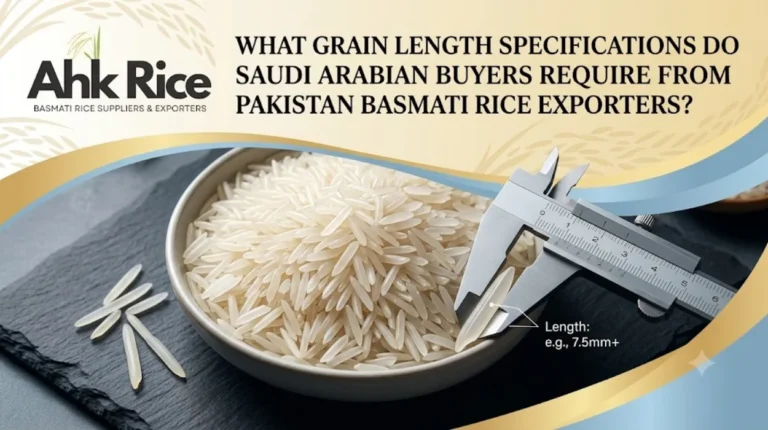
1121 Steam Basmati delivers extra-long grain length and strong visual appeal.
Typical specifications include:
| Specification | Value |
|---|---|
| Grain Length | 8.3–8.5 mm |
| Cooked Elongation | Up to 2.5 times |
| Moisture | 12–14% |
| Shelf Life | 12–18 months |
Supermarkets often select 1 kg and 5 kg packaging formats for this grade.
Food Service Market Preferences
Restaurants prioritize consistency and yield.
1121 Golden Sella Basmati
1121 Golden Sella undergoes parboiling before milling.
Processing steps include:
- Harvest the paddy
- Clean the paddy
- Soak the grain
- Parboil the grain
- Dry the grain
- Mill the rice
- Polish the rice
- Grade the rice
- Sort the rice
Golden Sella maintains grain integrity during high-volume cooking operations.
Hotels frequently prefer this specification because buffet operations require longer holding times.
Super Kernel Basmati Rice
Super Kernel Basmati offers traditional aroma and balanced pricing.
Many restaurants select this grade because it combines authentic Basmati characteristics with competitive procurement costs.
Regional Preference Comparison
| Market Region | Preferred Grades | Main Reason |
|---|---|---|
| Urban Retail Chains | 1121 Steam, 1121 Premium | Appearance |
| Restaurant Sector | Golden Sella, Super Kernel | Cooking Stability |
| Hotel Industry | Golden Sella | Holding Performance |
| Catering Companies | Golden Sella, 1509 | Cost Efficiency |
With market preferences defined, buyers must evaluate operational advantages and limitations before selecting specifications.
What are the advantages and disadvantages of each rice grade?
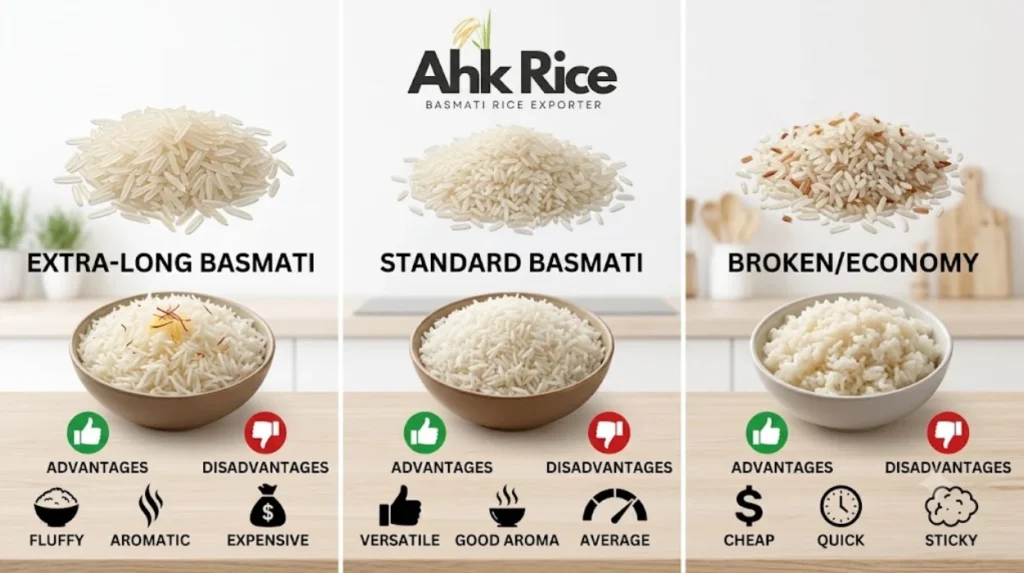
1121 grades provide premium appearance, Golden Sella delivers storage stability, Super Kernel offers traditional aroma, and 1509 creates cost-efficient procurement opportunities. Each specification serves different operational objectives.
1121 Steam Basmati
Advantages:
- Longer grain appearance
- Premium consumer perception
- Strong retail demand
Disadvantages:
- Higher procurement cost
- Greater breakage risk during handling
1121 Golden Sella
Advantages:
- Strong grain structure
- Longer storage capability
- Consistent food service performance
Disadvantages:
- Higher processing cost
- Darker grain color than Steam
Super Kernel Basmati
Advantages:
- Traditional aroma
- Competitive pricing
- Broad market acceptance
Disadvantages:
- Shorter grain length than 1121
1509 Basmati
Advantages:
- Lower procurement cost
- High yield
- Fast cooking
Disadvantages:
- Lower premium positioning
Shelf life further influences specification selection.
Steam Basmati generally maintains optimum quality for 12–18 months under proper storage conditions.
Golden Sella frequently maintains quality for up to 24 months because parboiling strengthens the grain structure.
For Malaysian distributors operating centralized warehouses, Golden Sella often reduces inventory management risk.
With advantages and disadvantages clarified, decision-making becomes more objective.
What factors should Malaysian importers evaluate before choosing a supplier?
Quality consistency, certification standards, processing capabilities, packaging flexibility, export experience, and logistics performance determine long-term sourcing success more than headline pricing alone.
Decision Framework Table
| Decision Factor | Evaluation Question | Importance |
|---|---|---|
| Quality Control | Are inspection reports available? | High |
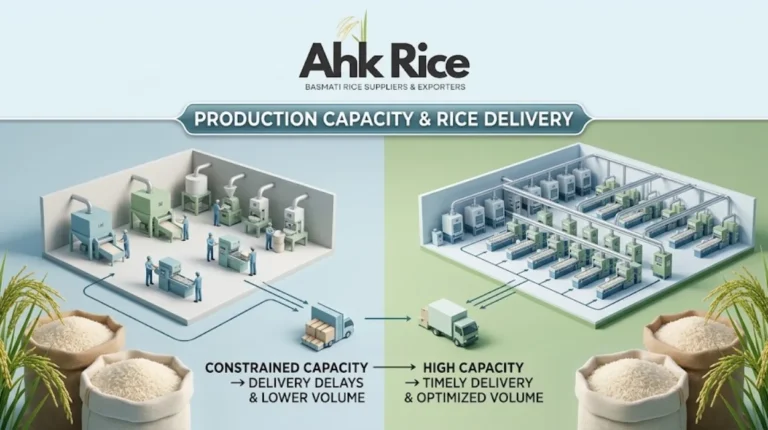
| Processing Capacity | Can supply remain consistent year-round? | High |
| Certifications | Are export standards verified? | High |
| Packaging Options | Can custom retail formats be produced? | Medium |
| Logistics Experience | Can shipments reach Malaysia reliably? | High |
Certifications Commonly Requested
Common export certifications include:
- ISO certification
- HACCP certification
- Phytosanitary certification
- Fumigation certification
- Certificate of Origin
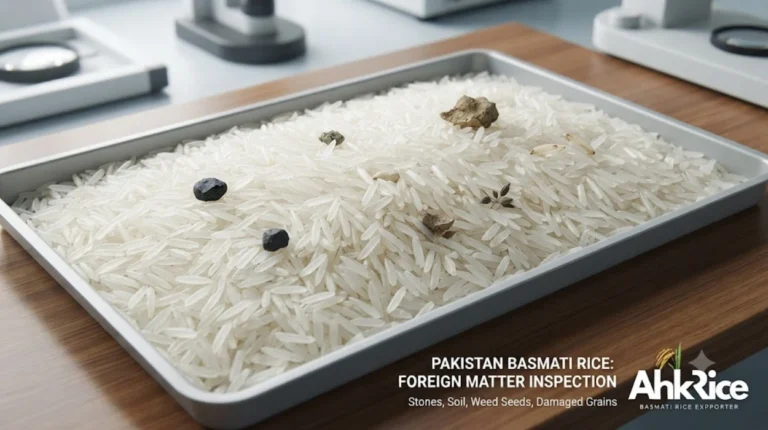
- SGS inspection reports
Malaysian importers often request third-party testing because independent verification reduces procurement risk.
Export Logistics Considerations
Efficient rice exports require:
- Container loading
- Customs clearance
- Documentation preparation
- Vessel scheduling
- Port coordination
Pakistan’s major rice-exporting infrastructure supports regular shipments to Malaysian ports through established trade routes.
AHK Rice manages cultivation partnerships, milling operations, grading systems, packaging programs, quality inspections, and export documentation through a single operational framework. This approach helps buyers maintain specification consistency across repeated shipments.
With supplier evaluation complete, importers can align sourcing strategies with business objectives.
Frequently Asked Questions
How do Malaysian importers usually buy Pakistani Basmati rice?
Malaysian importers typically source directly from exporters or through trading companies. Direct sourcing provides stronger quality control, lower procurement costs, and greater packaging flexibility.
Which Pakistani Basmati grade is most popular in Malaysia?
1121 Steam Basmati remains the leading premium retail grade because consumers value extra-long grains and strong visual presentation.
Which rice grade works best for restaurants?
1121 Golden Sella performs best for many restaurants because it delivers stronger grain integrity and consistent cooking performance.
What packaging sizes are commonly imported into Malaysia?
Most Malaysian buyers import 1 kg, 2 kg, 5 kg, 10 kg, 25 kg, and 50 kg packaging formats depending on retail or food service requirements.
How long can Pakistani Basmati rice be stored?
Steam Basmati generally maintains quality for 12–18 months. Golden Sella can maintain quality for up to 24 months under proper storage conditions.
What documents are required for Malaysian rice imports?
Importers commonly require a phytosanitary certificate, certificate of origin, commercial invoice, packing list, bill of lading, and inspection reports.