Comparing Sella Basmati Rice Grades for German Distributors and Wholesalers
German distributors achieve better margins and fewer quality claims by selecting the correct Sella Basmati rice grade rather than buying only on price. Here is why: grain length, color consistency, cooking performance, shelf life, and market positioning directly affect wholesale profitability and customer satisfaction.
Germany remains one of Europe’s important destinations for Pakistani Basmati rice imports because ethnic retailers, foodservice operators, wholesalers, and private-label distributors require premium long-grain rice. Understanding grade differences helps importers match product specifications with customer expectations.
For distributors building product knowledge, our guide on Pakistani Sella Basmati rice production and export specifications provides foundational insights into cultivation, processing, grading, and international trade requirements.
The Pakistani Basmati industry supplies several Sella grades. Among them, 1121 Golden Sella, 1121 Creamy Sella, 1121 Steam, Super Kernel Sella, and 1509 Sella are the most common export categories. Each grade serves different distribution channels across Germany.
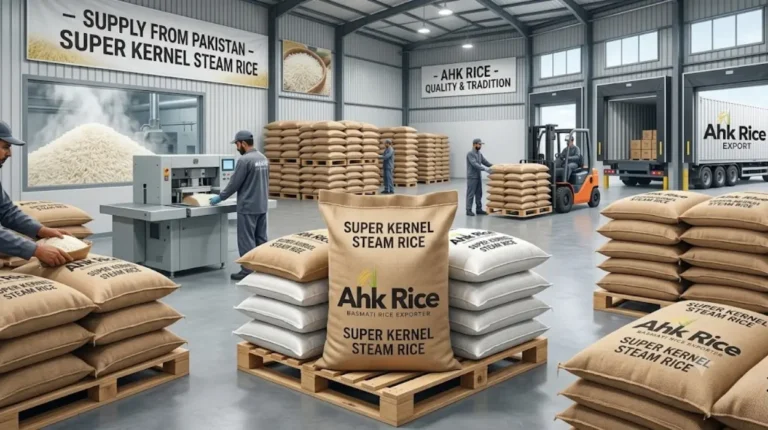
AHK Rice is a trusted Pakistani Basmati rice exporter based in Punjab, supplying 1121, Super Kernel, and 1509 varieties to more than 15 countries. The company manages cultivation sourcing, milling, grading, packaging, quality inspection, documentation, and export logistics through a complete processing chain.
What are the available Sella Basmati rice solutions for German distributors?
1121 Golden Sella, 1121 Creamy Sella, 1121 Steam, Super Kernel Sella, and 1509 Sella represent the primary import solutions. Each grade targets different retail, wholesale, foodservice, and private-label segments based on grain appearance, cooking performance, and pricing.
German distributors typically evaluate rice according to customer segment requirements before selecting a grade. Ethnic supermarkets prioritize grain length and visual appearance. Foodservice operators focus on consistency and cooking yield. Private-label brands often balance appearance with landed cost.
1121 Golden Sella Basmati Rice
1121 Golden Sella undergoes parboiling before milling. The process creates a golden color and improves grain strength. This grade delivers extra-long grain length and high elongation after cooking.
Specification Table: 1121 Golden Sella
| Attribute | Specification |
|---|---|
| Grain Length | 8.30–8.50 mm |
| Color | Golden Yellow |
| Broken Grains | 2–5% |
| Moisture | 12–14% |
| Cooking Elongation | Up to 2.5x |
| Shelf Life | 18–24 Months |
| Target Market | Wholesale & Catering |
1121 Creamy Sella Basmati Rice
1121 Creamy Sella follows a controlled parboiling process. The grain develops a light cream appearance while maintaining long-grain characteristics.
Specification Table: 1121 Creamy Sella
| Attribute | Specification |
|---|---|
| Grain Length | 8.20–8.40 mm |
| Color | Creamy White |
| Broken Grains | 2–5% |
| Moisture | 12–14% |
| Cooking Elongation | 2.3x |
| Shelf Life | 18–24 Months |
| Target Market | Retail Distribution |
1121 Steam Basmati Rice
1121 Steam rice receives steam treatment instead of traditional parboiling. The grain retains a whiter appearance and softer texture.
Specification Table: 1121 Steam
| Attribute | Specification |
|---|---|
| Grain Length | 8.20–8.40 mm |
| Color | Bright White |
| Broken Grains | 2–5% |
| Moisture | 12–14% |
| Cooking Elongation | 2.1x |
| Shelf Life | 12–18 Months |
| Target Market | Premium Retail |
The available solutions establish the foundation for procurement decisions. The next question is how these grades compare across key commercial specifications.
How do different Sella Basmati rice grades compare?
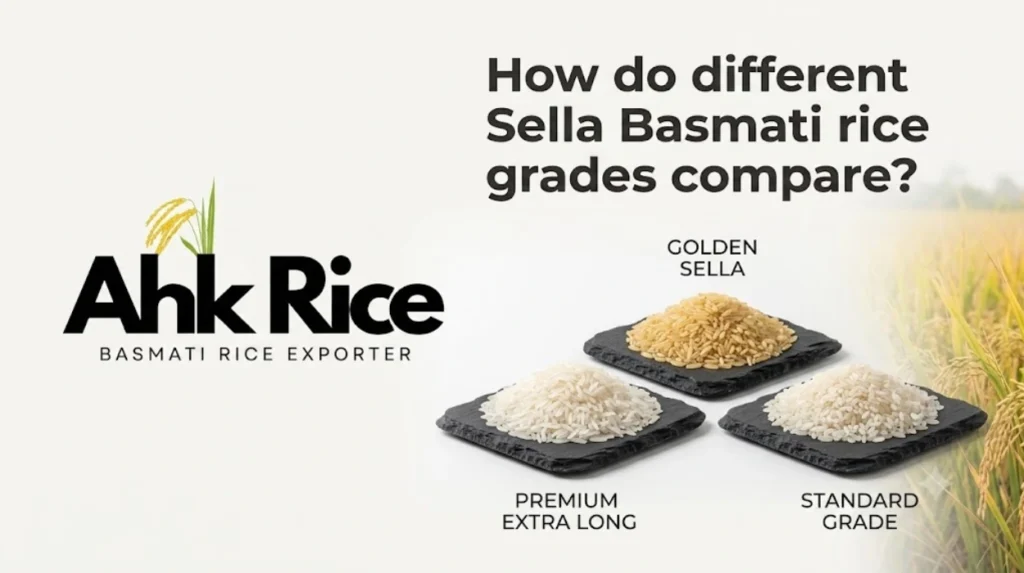
1121 Golden Sella delivers maximum grain strength, 1121 Steam offers premium appearance, and Creamy Sella balances performance with pricing. The best choice depends on customer expectations, storage conditions, and channel strategy.
Specification Comparison Table
| Attribute | 1121 Golden Sella | 1121 Creamy Sella | 1121 Steam |
|---|---|---|---|
| Grain Length | 8.30–8.50 mm | 8.20–8.40 mm | 8.20–8.40 mm |
| Grain Color | Golden | Creamy | White |
| Cooking Elongation | Highest | High | Moderate-High |
| Grain Strength | Excellent | Very Good | Good |
| Storage Stability | 18–24 Months | 18–24 Months | 12–18 Months |
| Catering Suitability | Excellent | Very Good | Moderate |
| Retail Shelf Appeal | Good | Very Good | Excellent |
Golden Sella performs exceptionally well in large-scale foodservice operations because the grain remains separate after cooking. German wholesalers supplying restaurants often prefer this specification.
Steam Basmati performs strongly in retail environments because consumers associate bright white grains with premium quality. Premium supermarket chains frequently select Steam grades for private-label packaging.
Creamy Sella occupies the middle ground. The grade provides strong cooking performance while maintaining attractive appearance and competitive pricing.
Price per Metric Ton Comparison
| Grade | Typical Export Price Range |
|---|---|
| 1121 Steam | Highest |
| 1121 Golden Sella | Medium-High |
| 1121 Creamy Sella | Medium |
| Super Kernel Sella | Medium-Low |
| 1509 Sella | Lowest |
Price movements depend on crop conditions, exchange rates, freight costs, and global demand patterns (source: REAP export data, December 2025).
Shelf Life Comparison
Golden Sella lasts longer than Steam. In warehouse environments reaching higher summer temperatures, Golden Sella maintains quality for up to 24 months. Steam rice typically performs best within 12–18 months.
Creamy Sella offers similar storage stability to Golden Sella while preserving a lighter visual appearance. For distributors maintaining large inventories, this characteristic reduces inventory management pressure.
The comparison highlights technical differences. The next question focuses on which grade works best for specific German market segments.
Which Sella Basmati rice grade works best for different German market segments?
Golden Sella suits foodservice distribution, Steam suits premium retail, Creamy Sella suits mixed-channel wholesalers, Super Kernel suits value-conscious buyers, and 1509 suits budget-driven markets.
German Ethnic Retailers
German ethnic retailers often prioritize grain length and visual quality. These stores serve consumers familiar with traditional Basmati characteristics.
1121 Steam and 1121 Creamy Sella generally perform best in this category because shelf presentation influences purchasing decisions.
Foodservice Distributors
Foodservice operators require consistency across hundreds of daily meals. Restaurants need grains that remain separate and visually appealing after cooking.
1121 Golden Sella delivers superior results because parboiling strengthens grain structure and improves cooking tolerance.
Private Label Brands
Private-label importers balance quality and profitability. Product appearance remains important, but pricing also influences purchasing decisions.
1121 Creamy Sella frequently becomes the preferred specification because it combines attractive appearance with competitive procurement costs.
Wholesale Cash-and-Carry Operators
Wholesale operators serve retailers, caterers, and independent restaurants simultaneously.
Creamy Sella provides the most flexible solution because it satisfies multiple customer categories without excessive inventory complexity.
Value-Oriented Importers
1509 Sella and Super Kernel Sella provide cost-effective alternatives. These grades target customers seeking Basmati characteristics at lower price points.
Understanding market suitability helps distributors avoid over-specification or under-specification. The next section evaluates practical advantages and disadvantages.
What are the pros and cons of each approach?
Golden Sella offers durability, Steam provides premium appearance, and Creamy Sella delivers balanced value. Each option creates different operational and commercial outcomes.
1121 Golden Sella
Advantages
- Strong grain structure
- Excellent cooking elongation
- Long shelf life
- High foodservice acceptance
- Reduced grain breakage
Disadvantages
- Golden color limits some retail applications
- Higher pricing than standard grades
1121 Steam
Advantages
- Bright white appearance
- Premium retail positioning
- Strong consumer appeal
- Excellent packaging presentation
Disadvantages
- Shorter storage window
- Higher procurement cost
- Slightly lower grain strength
1121 Creamy Sella
Advantages
- Balanced appearance
- Competitive pricing
- Good shelf life
- Broad market acceptance
Disadvantages
- Less distinctive than Golden or Steam
- Moderate premium positioning
The advantages and disadvantages clarify operational trade-offs. The next question examines the factors distributors should prioritize during procurement.
What decision factors should German distributors evaluate before selecting a grade?
Customer segment, inventory turnover, price positioning, storage duration, and packaging strategy determine the correct Sella Basmati rice specification.
Decision Framework Table
| Decision Factor | Golden Sella | Creamy Sella | Steam |
|---|---|---|---|
| Restaurant Supply | Best Choice | Good Choice | Moderate |
| Premium Retail | Moderate | Good Choice | Best Choice |
| Long-Term Storage | Best Choice | Best Choice | Moderate |
| Price Sensitivity | Moderate | Best Choice | Low |
| Mixed Customer Base | Good Choice | Best Choice | Good Choice |
Distributors should match specifications to end-user requirements rather than selecting solely on procurement price.
Processing Factors to Verify
Before purchasing any grade, importers should verify the following:
- Inspect grain length
- Test moisture percentage
- Verify broken grain ratio
- Confirm crop year
- Review laboratory reports
- Check fumigation records
- Validate export certifications
Export Documents to Review
- Phytosanitary Certificate
- Certificate of Origin
- Commercial Invoice
- Packing List
- Bill of Lading
- Quality Inspection Report
- Fumigation Certificate
Quality verification reduces risk before shipment loading and customs clearance.
The decision framework completes the evaluation stage. The next step involves supplier assessment and import execution.
Frequently Asked Questions
Which Sella Basmati rice grade is most popular in Germany?
1121 Steam and 1121 Creamy Sella are widely used in retail channels, while 1121 Golden Sella remains highly popular among foodservice distributors and restaurant suppliers.
What grain length should German wholesalers expect?
Premium 1121 Sella grades generally measure 8.20–8.50 mm before cooking and elongate significantly after preparation.
Which grade offers the longest shelf life?
1121 Golden Sella and 1121 Creamy Sella typically provide 18–24 months of shelf stability under appropriate storage conditions.
Is Steam Basmati more expensive than Golden Sella?
Steam Basmati often commands higher pricing because of its bright appearance and premium retail demand.
Which grade suits private-label packaging?
1121 Creamy Sella frequently provides the best balance between visual quality, performance, and procurement cost for private-label programs.
How important is broken grain percentage?
Broken grain percentage directly affects visual quality, cooking consistency, and market value. Premium import specifications usually require 2–5% broken grains.