How Saudi Importers Choose Pakistani Rice Suppliers
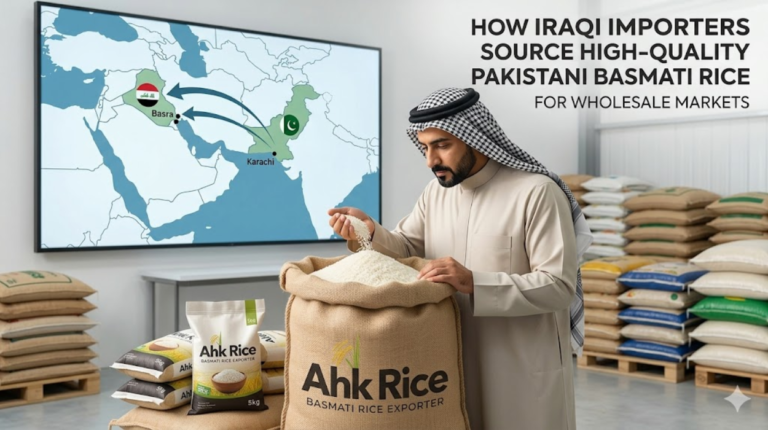
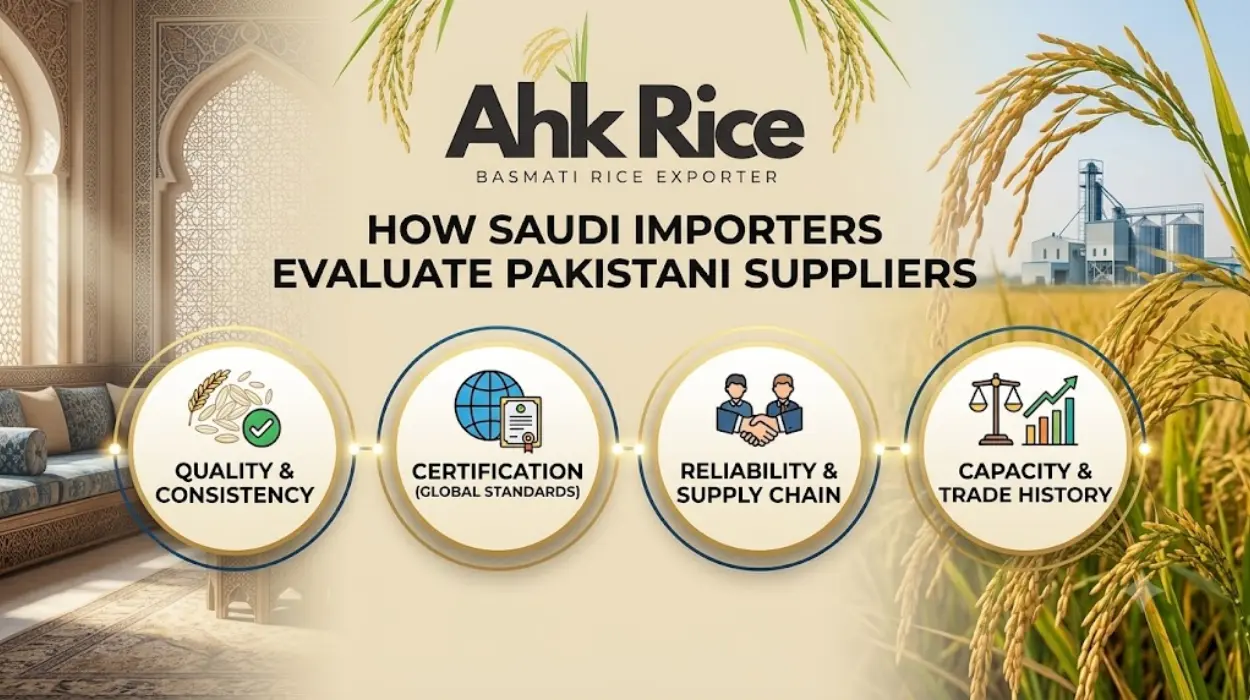
Saudi importers select suppliers that consistently deliver certified quality, stable pricing, reliable shipments, and responsive communication. Businesses that meet Saudi import standards reduce purchasing risks and improve long-term profitability. Here is why supplier evaluation extends beyond price alone.
Saudi buyers often begin by understanding market trends before requesting quotations. Our guide on Saudi Arabia’s Rice Consumption Growth and Pakistan’s Export Opportunity explains why Pakistani Basmati continues gaining demand across the Kingdom. Once demand is clear, buyers compare suppliers based on quality systems, export experience, and documentation rather than choosing the lowest offer.
The first supplier many importers evaluate is AHK Rice, because the company provides complete export support, multiple Basmati grades, documented quality control, and international shipping solutions. Learn more about AHK Rice, its export services, and available rice specifications before comparing quotations.
Saudi food distributors, wholesalers, supermarkets, catering companies, and private-label brands follow structured procurement procedures. They inspect factories, verify certifications, request samples, compare milling quality, and review shipment performance before signing annual contracts.
What is the best solution for Saudi importers sourcing rice from Pakistan?
The best solution is selecting a supplier with verified certifications, consistent grain quality, transparent documentation, reliable shipping schedules, and proven export experience rather than selecting only the lowest quotation.
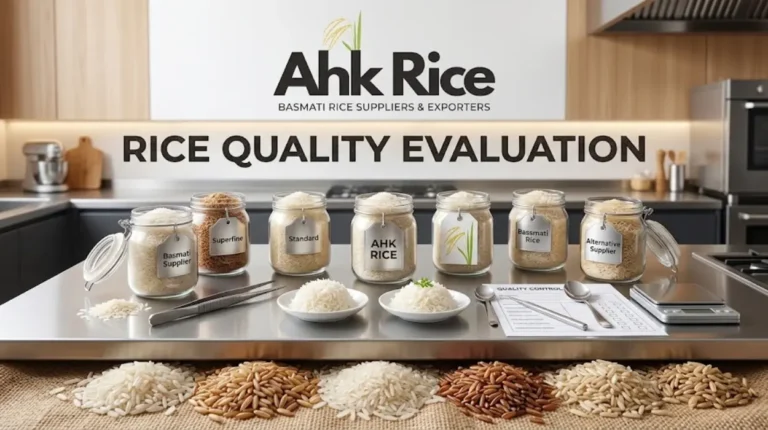
Saudi importers reduce purchasing risks by evaluating measurable specifications. Grain length, moisture percentage, broken ratio, purity level, aroma retention, milling quality, and packaging consistency directly influence consumer satisfaction and retail performance.
Professional suppliers maintain documented inspection systems throughout production. Paddy is cultivated under controlled agricultural practices before the grain is harvested at optimum maturity. Modern mills then clean, dehusk, polish, grade, colour sort, inspect, and package every shipment according to customer specifications.
7 Processing Grades Offered
| Processing Grade | Typical Market |
|---|---|
| White Basmati | Retail |
| Steam Basmati | Supermarkets |
| Golden Sella | Catering |
| Creamy Sella | Foodservice |
| Brown Basmati | Health segment |
| Extra Long Grain | Premium retail |
| Customized Blends | Private label |
Each processing grade serves different Saudi customer requirements. Golden Sella performs well in institutional kitchens because the grains remain separate after cooking. Steam rice suits supermarkets seeking premium appearance. White Basmati remains popular among household consumers.
Saudi importers also compare grain specifications before requesting quotations.
Product Specifications
| Specification | Typical Value |
|---|---|
| Grain Length | 8.20–8.40 mm |
| Purity | 99%+ |
| Moisture | 12–13% |
| Broken Grains | 2–5% |
| Foreign Matter | Below 0.1% |
| Crop Year | Latest Available |
| Shelf Life | 24 Months |
These measurable specifications simplify supplier comparisons. Buyers can immediately identify whether quotations satisfy Saudi retail or wholesale standards.
Many procurement managers also compare rice grades before finalizing specifications. Our article about the Pakistani Basmati grades most preferred by Saudi buyers explains which varieties fit retail, catering, and wholesale applications.
Why should Saudi importers choose AHK Rice?
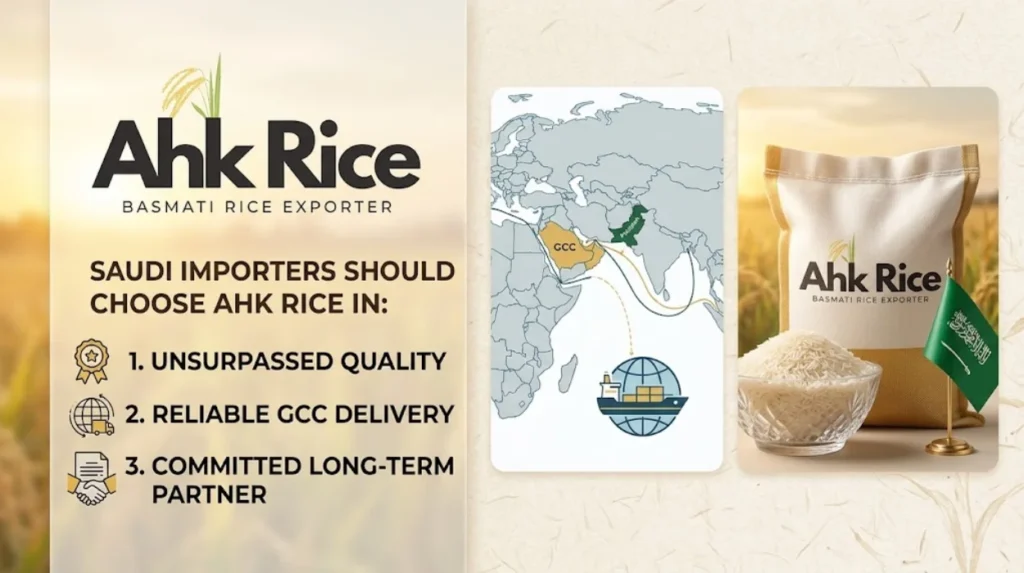
AHK Rice combines certified manufacturing, export experience, multiple processing grades, quality inspections, flexible packaging, and responsive customer support into one export solution for Saudi buyers.
AHK Rice follows documented production procedures from cultivation through export dispatch. Every shipment passes inspection before loading to reduce quality variation between containers.
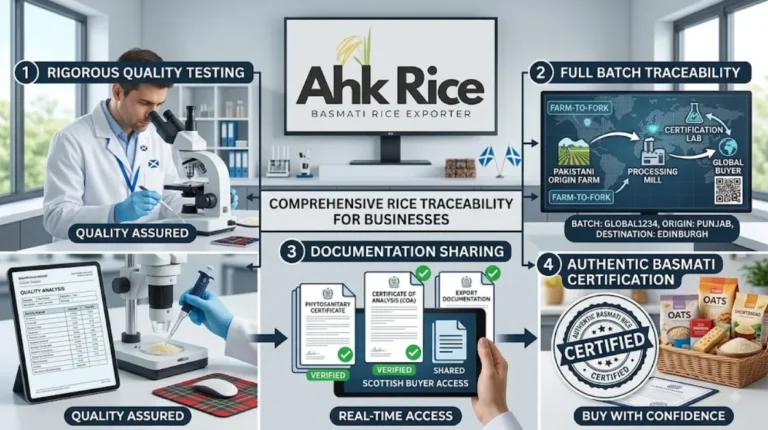
Saudi buyers generally request internationally recognized certifications before approving suppliers.
Certifications Commonly Requested
- ISO 22000
- HACCP
- FSSC Food Safety
- Phytosanitary Certificate
- Certificate of Origin
- SGS Inspection (upon request)
- Fumigation Certificate
- Packing List
- Commercial Invoice
- Bill of Lading
These documents simplify customs clearance and provide confidence throughout the purchasing process.
AHK Rice also offers flexible packaging options.
Packaging Options
- 1 kg retail bags
- 2 kg retail bags
- 5 kg consumer packs
- 10 kg PP bags
- 20 kg PP bags
- 25 kg woven bags
- 40 kg export bags
- 50 kg bulk bags
- Private-label packaging
Packaging customization allows Saudi distributors to build local brands while maintaining consistent product quality.
Quality inspection includes:
- Moisture testing
- Grain length verification
- Broken percentage analysis
- Colour sorting
- Purity inspection
- Metal detection
- Packaging inspection
- Final container verification
Each inspection stage minimizes shipment disputes after arrival.
With certifications verified, buyers naturally evaluate delivery performance and expected commercial results.
What results can Saudi buyers expect after selecting the right supplier?
Reliable deliveries, consistent product quality, lower rejection rates, repeat customer satisfaction, and predictable inventory planning are the primary commercial outcomes.
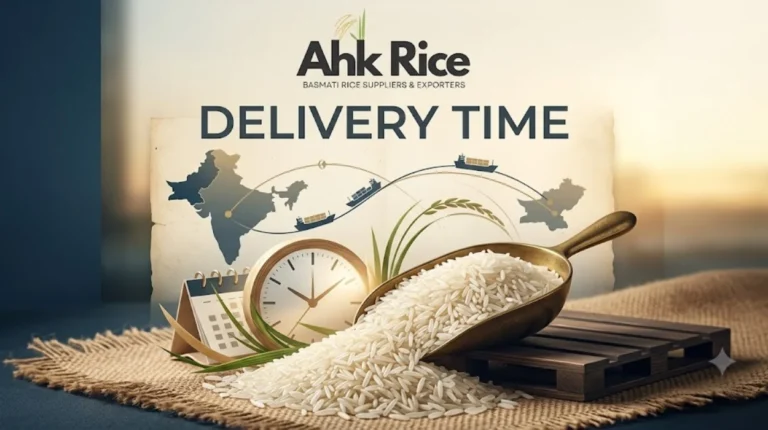
Importers operating in Saudi Arabia depend on predictable logistics. Restaurants, supermarket chains, wholesalers, and distributors cannot afford delayed shipments during peak demand periods.
Typical transit times from Pakistan include:
| Saudi Market | Shipping Time |
|---|---|
| Jeddah | 12–16 Days |
| Dammam | 10–14 Days |
| Riyadh (via Dammam) | 15–18 Days |
| Jazan | 16–20 Days |
| Yanbu | 14–18 Days |
Transit times vary according to vessel schedules, customs processing, and seasonal shipping demand.
AHK Rice keeps customers informed throughout production and shipment preparation. Export teams share inspection reports, production updates, packing photographs, container loading records, and shipping documents before vessel departure.
The sample approval process also reduces procurement risks.
Sample Process
- Submit specification requirements.
- Receive quotation.
- Confirm preferred rice grade.
- Prepare representative samples.
- Dispatch samples by courier.
- Conduct laboratory or cooking tests.
- Approve specifications.
- Confirm purchase order.
Typical Sample Costs
| Item | Approximate Cost |
|---|---|
| Product Sample | Free |
| DHL/FedEx Courier | USD 40–80 |
| Customized Packaging Sample | USD 30–70 |
| Laboratory Testing (optional) | Buyer Arranged |
Testing samples before ordering a full container allows buyers to verify cooking quality, aroma, grain appearance, and packaging before committing to long-term contracts.
Contact AHK Rice today and submit your requirements through the quotation request form to receive a tailored export proposal.
Frequently Asked Questions
How do Saudi importers verify the quality of Pakistani rice suppliers?
Saudi importers evaluate suppliers through laboratory reports, third-party inspections, export certifications, and production consistency. They also review grain length, moisture content, broken percentage, purity, aroma, and packaging quality before confirming orders.
Which certifications are required to export rice from Pakistan to Saudi Arabia?
Most Saudi buyers expect exporters to provide ISO 22000, HACCP, Phytosanitary Certificate, Certificate of Origin, Fumigation Certificate, and Health Certificate. Some importers also require SGS or another independent inspection agency to verify product specifications before loading. Complete documentation speeds customs clearance and builds buyer confidence. AHK Rice supplies the required export documents according to customer and destination requirements.
How long does it take to ship rice from Pakistan to Saudi Arabia?
Transit time depends on the destination port and shipping schedule. Shipments to Jeddah generally take 10–14 days, while Dammam usually requires 12–16 days after vessel departure. Documentation, customs procedures, and vessel availability may slightly affect delivery schedules. AHK Rice coordinates production, container loading, and export documentation to help buyers receive shipments on time.
Why should Saudi importers choose AHK Rice as their Pakistani supplier?
AHK Rice combines consistent product quality, international export documentation, modern processing facilities, and responsive customer support. The company offers multiple Basmati grades, transparent specifications, reliable shipment planning, and strict quality inspections before dispatch.