1121 Steam vs 1121 Sella Rice for Saudi Mandi Restaurants
1121 Sella rice is the better choice for most Saudi Mandi restaurants because it offers longer holding time, stronger grain structure, lower breakage during bulk cooking, and better performance in commercial kitchens. 1121 Steam rice delivers a softer texture and fresher aroma, making it suitable for premium dining concepts that prioritize eating experience over storage stability. Here is why: Saudi restaurant operators balance grain appearance, cooking yield, storage conditions, and food cost per serving when selecting Basmati rice.
Saudi Arabia remains one of the largest import markets for Pakistani 1121 Basmati rice because Mandi restaurants require extra-long grains, high cooking expansion, and consistent batch quality (source: REAP export data, December 2025). Buyers evaluating rice specifications often begin by understanding the grain characteristics preferred by traditional Mandi kitchens. Restaurants seeking deeper insight into Saudi demand patterns can also review our guide on why extra-long grains remain the preferred choice for Gulf foodservice operators.
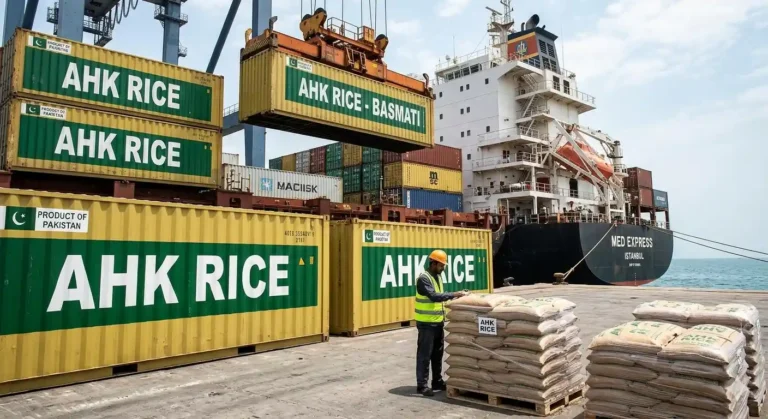
AHK Rice supplies premium Pakistani Basmati rice varieties through its dedicated 1121, Super Kernel, and 1509 export programs. The company mills, grades, inspects, certifies, loads, and ships rice to buyers across more than 15 countries while supporting custom packaging and export documentation requirements.
What Is the Difference Between 1121 Steam and 1121 Sella Rice?
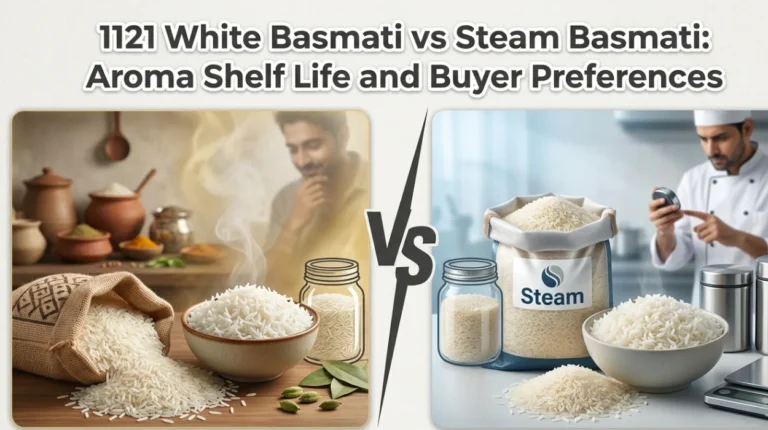
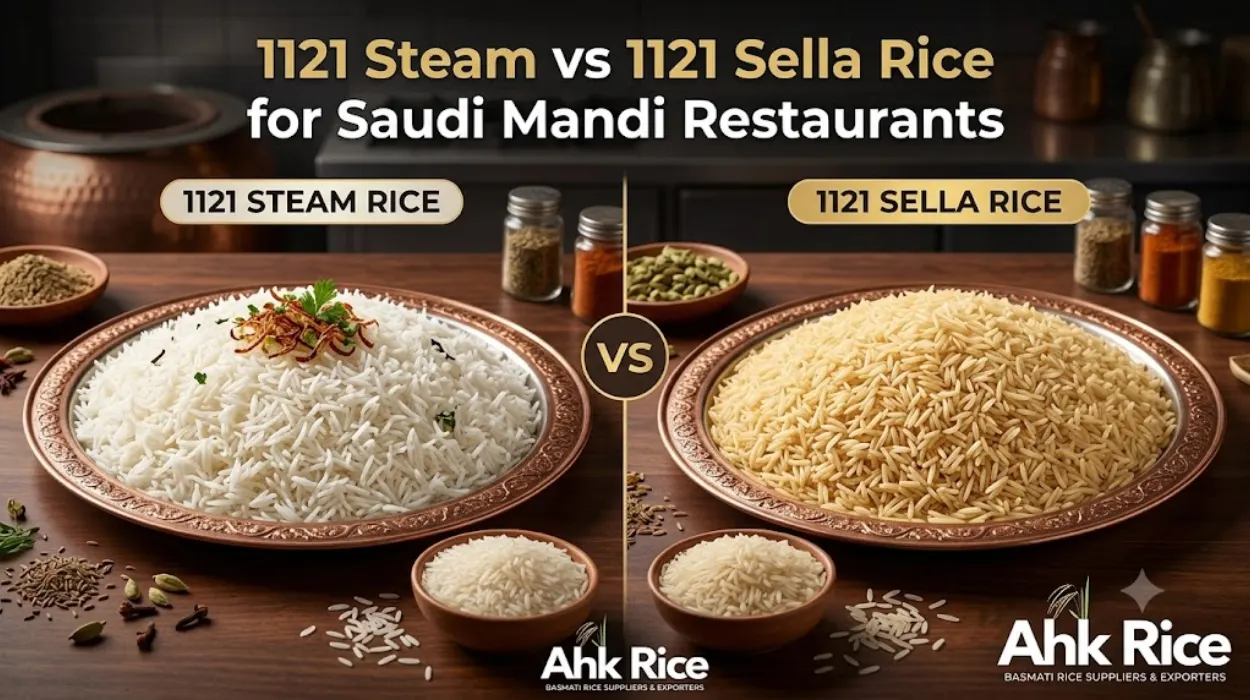
1121 Steam rice offers softer texture and stronger natural aroma, while 1121 Sella rice provides greater grain strength, longer storage life, and higher resistance to breakage during commercial cooking operations.
Understanding 1121 Steam Rice
1121 Steam Basmati rice undergoes controlled steaming after milling. The steaming process stabilizes the grain while preserving much of the natural white appearance. Steam rice cooks softer than Sella rice and delivers a dining experience closer to traditional white Basmati.
1121 Steam rice typically measures 8.30–8.40 mm before cooking and expands to nearly double its length after cooking. Saudi premium restaurants often select Steam rice for dine-in service because customers associate the softer texture with freshly prepared Mandi.
Understanding 1121 Sella Rice
1121 Sella rice undergoes a parboiling process before milling. The process transfers nutrients from the husk into the grain and strengthens the internal starch structure.
1121 Sella rice remains firmer after cooking. The grain separates well during bulk preparation. Large restaurant kitchens prefer Sella because cooks can prepare hundreds of portions without significant grain damage.
Specification Comparison
Key Technical Specifications
| Attribute | 1121 Steam Rice | 1121 Sella Rice |
|---|---|---|
| Processing Method | Steamed after milling | Parboiled before milling |
| Raw Grain Length | 8.30–8.40 mm | 8.30–8.40 mm |
| Cooked Grain Expansion | 1.9–2.1x | 2.0–2.2x |
| Texture | Soft | Firm |
| Breakage Resistance | Moderate | High |
| Storage Stability | 12–15 months | 18–24 months |
| Commercial Cooking Performance | Good | Excellent |
Steam rice creates a softer plate presentation. In Riyadh fine-dining restaurants, Steam rice supports premium serving standards. In large catering kitchens serving more than 1,000 meals daily, Sella rice maintains grain integrity more effectively.
Sella rice demonstrates greater storage tolerance. In warehouses operating near 40°C, Sella rice can maintain quality for up to 24 months, while Steam rice performs best within 12–15 months. For Saudi catering operators maintaining larger inventory levels, Sella becomes the preferred specification.
With the core differences established, the next question is how these two solutions perform in real Saudi restaurant environments.
Which Rice Do Saudi Mandi Restaurants Prefer?
Large-scale Mandi chains primarily prefer 1121 Sella rice, while premium restaurants often choose 1121 Steam rice for superior texture and customer dining experience.
Preference in Central Saudi Arabia
Restaurants in Riyadh and Qassim often purchase Sella rice because high-volume kitchens prioritize consistency. Daily production schedules require rice that remains stable during preparation, holding, and serving.
1121 Sella rice supports buffet operations effectively. The grains remain separate even after extended holding periods.
Preference in Western Saudi Arabia
Restaurants in Jeddah, Makkah, and Madinah frequently use Steam rice in premium dining environments. Customers in these regions often value aroma and softness.
Steam rice enhances the perception of freshness. The grain absorbs meat stock efficiently and complements lamb-based Mandi recipes.
Regional Grade Preferences
| Market Region | Preferred Grade | Main Reason |
|---|---|---|
| Riyadh | 1121 Sella | Bulk cooking stability |
| Dammam | 1121 Sella | Storage efficiency |
| Qassim | 1121 Sella | Catering operations |
| Jeddah | 1121 Steam | Premium dining |
| Makkah | 1121 Steam | Texture preference |
Saudi restaurant procurement managers evaluate rice based on operational requirements rather than marketing claims. The next consideration involves comparing actual costs and value delivered by each option.
How Do Price and Value Compare Between 1121 Steam and 1121 Sella?
1121 Steam rice generally commands a higher market price, while 1121 Sella rice often delivers lower serving costs because of reduced breakage and improved cooking efficiency.
Export Price Comparison 2026
International rice prices fluctuate according to crop availability, freight rates, and demand cycles. Pakistani export offers during early 2026 indicate the following ranges:
| Product | Average Export Price (USD/MT) |
|---|---|
| 1121 Steam Rice | $1,050–1,200 |
| 1121 Sella Rice | $950–1,100 |
(Source: REAP export data, January 2026)
Steam rice commands higher pricing because processors must maintain appearance and aroma standards throughout production.
Cost Per Serving Analysis
Sella rice reduces losses during washing, soaking, and cooking. Commercial kitchens frequently report lower breakage percentages when preparing large batches.
Steam rice provides stronger customer appeal in premium settings. Restaurants can often justify higher menu pricing when dining quality becomes the primary differentiator.
Value by Business Type
| Restaurant Type | Better Choice |
|---|---|
| Luxury Mandi Restaurant | Steam |
| Hotel Banquet Kitchen | Sella |
| Airline Catering | Sella |
| Wedding Catering | Sella |
| Premium Family Restaurant | Steam |
Steam rice creates value through customer experience. Sella rice creates value through operational efficiency.
Understanding value requires examining the practical strengths and weaknesses of both options in real kitchens.
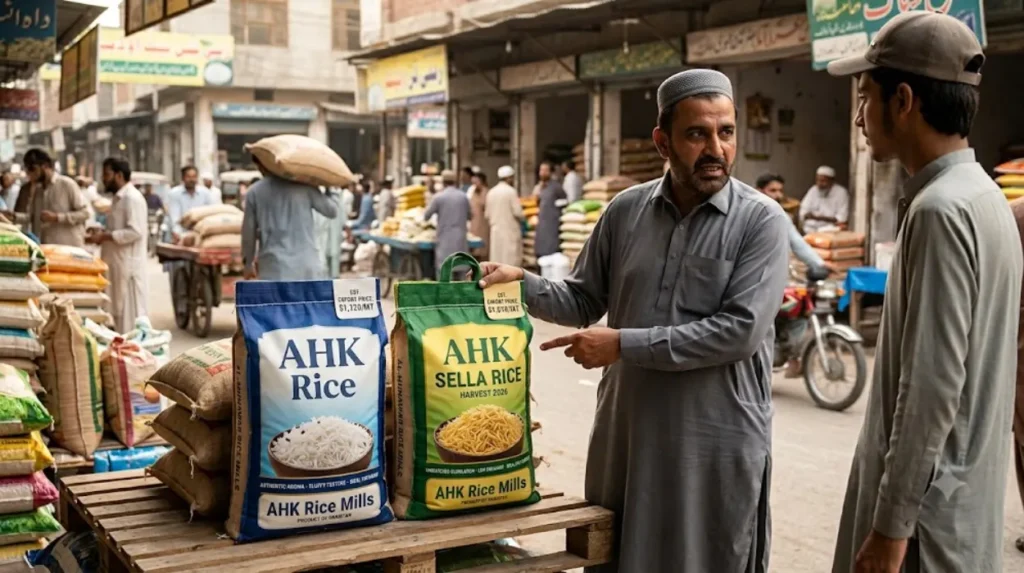
What Are the Pros and Cons of Each Rice Type?
1121 Steam rice excels in aroma and softness, while 1121 Sella rice excels in durability, storage life, and commercial cooking consistency.
Pros of 1121 Steam Rice
- Superior aroma retention
- Softer mouthfeel
- Premium white appearance
- Higher customer perception
- Better absorption of Mandi stock
Steam rice creates a refined dining experience. Premium restaurants frequently highlight rice quality as part of their brand identity.
Cons of 1121 Steam Rice
- Higher procurement cost
- Shorter shelf life
- Greater breakage risk
- Lower tolerance for prolonged holding
Large-scale catering operations often encounter operational challenges because softer grains require careful handling.
Pros of 1121 Sella Rice
- Longer shelf life
- Better cooking stability
- Lower breakage rates
- Strong grain separation
- Lower food waste
Sella rice remains highly consistent across large production volumes. Restaurant groups operating multiple branches often value this predictability.
Cons of 1121 Sella Rice
- Firmer texture
- Slightly reduced aroma
- Less premium appearance
- Longer soaking requirements
Sella rice prioritizes functionality over sensory characteristics. That distinction leads directly into choosing the correct specification for each restaurant model.
Which Rice Works Best for Different Saudi Mandi Restaurant Models?
1121 Steam works best for premium dining concepts, while 1121 Sella works best for high-volume catering, delivery kitchens, and multi-branch restaurant chains.
Decision Framework for Restaurant Buyers
| Decision Factor | Choose Steam | Choose Sella |
|---|---|---|
| Customer Experience Priority | ✓ | |
| Large Catering Volumes | ✓ | |
| Long Warehouse Storage | ✓ | |
| Premium Menu Pricing | ✓ | |
| Multi-Branch Consistency | ✓ |
Premium Restaurant Scenario
Premium restaurants benefit from Steam rice because guests evaluate aroma, texture, and presentation during the dining experience.
Steam rice enhances plated service. The softer texture complements slow-cooked lamb and chicken Mandi recipes.
Catering Scenario
Catering businesses benefit from Sella rice because operational efficiency influences profitability. Large cooking vessels expose rice to higher handling stress.
Sella rice maintains grain integrity throughout preparation and service.
Chain Restaurant Scenario
Restaurant chains benefit from standardized outcomes. Sella rice reduces variability between locations because grain performance remains consistent across cooking environments.
Chain operators also benefit from longer storage windows. Inventory planning becomes easier when rice maintains quality for extended periods.
The final purchasing decision often depends on logistics and packaging requirements rather than grain quality alone.
What Packaging Solution Supports Saudi Mandi Restaurant Supply Chains?
25 kg and 40 kg packaging formats remain the most practical solutions for Saudi Mandi chains because they balance storage efficiency, handling convenience, and freight optimization.
Common Packaging Options
- PP woven bags
- BOPP laminated bags
- Non-woven bags
- Paper bags
- Customized retail packs
Large restaurant groups generally prefer bulk packaging because it reduces handling costs.
Export Packaging Considerations
Packaging must protect rice during loading, shipping, customs clearance, and warehouse storage. High-quality packaging reduces moisture exposure and maintains grain condition.
Restaurants evaluating packaging specifications should also review detailed guidance on selecting suitable packaging systems for Saudi Mandi supply chains before finalizing procurement decisions.
AHK Rice Processing Steps
AHK Rice follows a structured processing sequence:
- Clean the paddy
- De-husk the grain
- Parboil the rice when producing Sella grades
- Dry the grain
- Mill the rice
- Polish the rice
- Grade by length
- Sort through color sorters
- Inspect and certify before dispatch
Each step supports consistency, food safety, and export compliance.
Conclusion
1121 Sella rice remains the preferred specification for most Saudi Mandi restaurant chains because it combines durability, storage stability, cooking consistency, and cost efficiency. 1121 Steam rice remains the premium solution for restaurants that prioritize aroma, softness, and customer dining experience.
Saudi buyers should evaluate grain performance according to operational goals rather than focusing solely on purchase price. Catering operations gain greater value from Sella rice. Premium dining establishments often gain greater value from Steam rice. Selecting the correct specification improves serving quality, inventory management, and long-term profitability.
Frequently Asked Questions
Which rice is better for traditional Saudi Mandi, 1121 Steam or 1121 Sella?
1121 Sella rice is generally better for traditional Saudi Mandi restaurants because it maintains grain separation, withstands large-scale cooking, and stays stable during holding periods. Premium restaurants that focus on aroma and soft texture often choose 1121 Steam rice instead.
Why do Saudi restaurant chains prefer 1121 Sella rice?
Saudi restaurant chains prefer 1121 Sella rice because it has a longer shelf life, lower breakage rate, and more consistent cooking performance. These advantages help maintain quality across multiple branches and large catering operations.
Does 1121 Steam rice have a better aroma than 1121 Sella rice?
Yes. 1121 Steam rice usually offers a stronger natural Basmati aroma and a softer eating texture. This makes it popular in high-end restaurants where customer dining experience is the main priority.
What is the shelf life difference between 1121 Steam and 1121 Sella rice?
1121 Steam rice typically maintains optimal quality for about 12–15 months under proper storage conditions. 1121 Sella rice can maintain quality for 18–24 months because the parboiling process strengthens the grain and improves storage stability.
Which packaging size is best for Saudi Mandi restaurants?
The most common packaging sizes for Saudi Mandi restaurants are 25 kg and 40 kg bags. These formats provide efficient storage, easier handling, and better freight utilization for foodservice businesses and restaurant chains.