Chinese Agricultural Solutions Boost Pakistan Rice Supply Chain
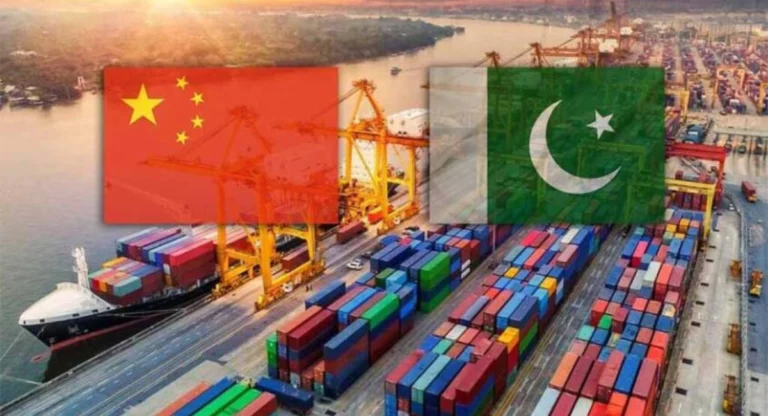
Chinese agricultural companies have showcased advanced farming and supply chain technologies at an exhibition in Pakistan, highlighting new opportunities for agricultural development, productivity improvement, and stronger trade cooperation. The event focused on modern solutions designed to enhance Pakistan’s agricultural capabilities, including areas that directly impact the country’s important rice sector.
For Pakistan’s rice industry, such developments are significant as exporters, rice importers, wholesalers, and distributors continue to monitor innovations that can improve production efficiency, quality standards, and supply chain reliability. With Pakistan recognised as one of the world’s leading rice exporters, improvements in agricultural technology could strengthen the competitiveness of Pakistan rice exports in the global rice market.
How Can Chinese Agricultural Solutions Influence Pakistan’s Rice Industry?
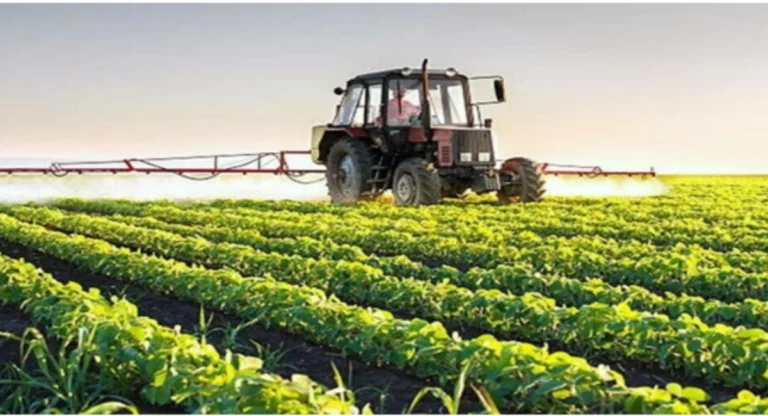
The participation of Chinese firms in Pakistan’s agricultural sector reflects growing cooperation between the two countries in technology, machinery, and farming practices. Modern agricultural solutions, including improved cultivation methods, efficient irrigation systems, and advanced processing technologies, can help farmers increase yields while maintaining rice quality.
For the rice industry, productivity improvements are especially important due to rising global demand for quality grains such as Basmati rice. International buyers increasingly seek consistent supply, better quality control, and reliable exporters. Technologies introduced through international cooperation can support Pakistan’s ability to meet these expectations.
Better agricultural practices may also reduce production challenges caused by climate conditions, water shortages, and changing market demands. This can create a more stable environment for rice exporters and strengthen Pakistan’s position in international rice trade.
Could These Developments Affect Pakistan Rice Exports and Global Trade?
Pakistan rice exports play a vital role in the global rice market, supplying premium Basmati rice and other varieties to buyers across Asia, Europe, the Middle East, and Africa. Any improvement in production efficiency or supply chain management can influence Pakistan’s export performance.
Chinese agricultural solutions could help Pakistani producers improve farming accuracy, reduce post-harvest losses, and enhance processing standards. For global rice buyers, these improvements may translate into more reliable shipments, consistent quality, and stronger long-term sourcing opportunities.
As competition increases among major rice-exporting countries, including India, Vietnam, and Thailand, Pakistan’s ability to adopt modern technology will remain important. Exporters that combine traditional rice expertise with advanced agricultural methods can better serve international markets.
What Impact Could Agricultural Technology Have on Rice Prices?
Technology adoption can have a long-term impact on rice prices by improving efficiency throughout the production cycle. Higher productivity and reduced losses may help control production costs, which could provide more stability in rice pricing.
However, the impact on prices will depend on factors such as global demand, weather conditions, fuel costs, logistics expenses, and international trade policies. While improved agricultural solutions may support cost efficiency, global rice prices are still influenced by broader market conditions.
For rice importers and distributors, stable supply and predictable pricing are key factors when selecting suppliers. Improvements in Pakistan’s agricultural sector could support more competitive export pricing and strengthen buyer confidence.
How Will Supply Chains and Logistics Benefit From Agricultural Cooperation?
A strong supply chain is essential for successful rice exports. From farming and milling to packaging and international shipping, every stage affects delivery timelines and product quality.
The introduction of modern agricultural and supply chain solutions can improve coordination between farmers, processors, exporters, and international buyers. Better storage systems, improved handling practices, and efficient transportation networks can reduce delays and protect rice quality before reaching overseas markets.
For companies involved in global rice trade, supply chain reliability has become increasingly important. Importers now look beyond price and consider factors such as traceability, quality assurance, and the ability to maintain consistent shipments.
What Does This Mean for International Rice Importers?
International rice importers are increasingly focused on sourcing partners that can provide dependable products and maintain international standards. Developments in Pakistan’s agricultural sector could create new opportunities for buyers seeking high-quality rice supplies.
Basmati rice remains one of Pakistan’s strongest export products due to its aroma, texture, and global reputation. By adopting advanced farming and processing solutions, Pakistan can further improve the value proposition of its rice exports.
For wholesalers and distributors, stronger production capabilities could mean better availability, improved product consistency, and increased confidence in long-term partnerships with Pakistani suppliers.
How Could This Development Shape the Future of Global Rice Trade?
The global rice market is experiencing continuous changes driven by population growth, food security concerns, climate challenges, and evolving consumer preferences. Countries that invest in agricultural innovation are likely to gain a stronger position in future rice trade.
Pakistan’s collaboration with international agricultural technology providers represents a move toward improving competitiveness and sustainability. As global buyers demand higher standards, exporters who invest in quality improvement and supply chain development will have greater opportunities.
The future of rice trade will depend not only on production volume but also on efficiency, reliability, and the ability to deliver premium-quality products to international markets.