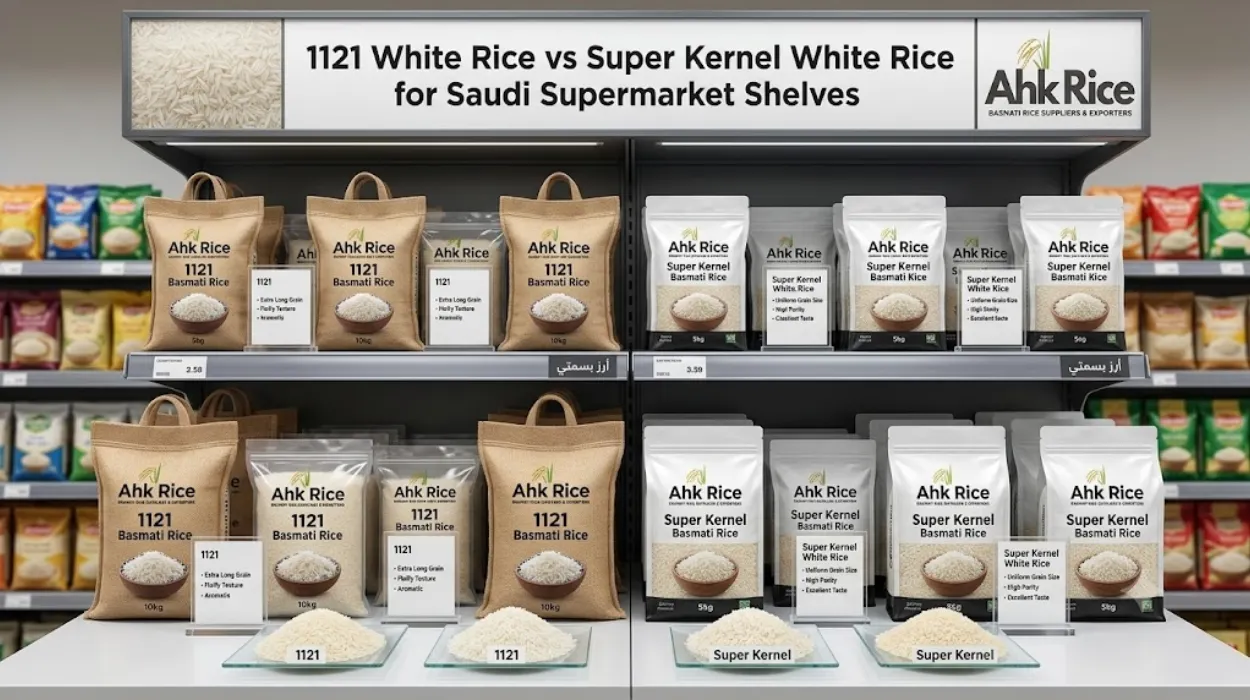
1121 White Rice vs Super Kernel White Rice for Saudi Supermarket Shelves
1121 White Rice is the stronger choice for most Saudi supermarket shelves because it offers longer grain appearance, higher visual shelf appeal, and stronger consumer recognition. Super Kernel White Rice remains valuable for premium traditional buyers who prioritize aroma and heritage characteristics. The correct specification depends on retail positioning, price targets, packaging strategy, and consumer demographics.
Saudi Arabia remains one of the largest destinations for Pakistani Basmati rice exports. Retail chains continue expanding premium rice categories as consumers seek longer grains, better cooking performance, and consistent quality standards. According to Pakistan Bureau of Statistics export data, Saudi Arabia remains among the leading importers of Pakistani rice products (source: Pakistan Bureau of Statistics, FY2025-26).
AHK Rice supplies both 1121 White Rice and Super Kernel White Rice from Punjab, Pakistan. Both varieties belong to the Basmati family. Both varieties undergo milling, polishing, grading, sorting, inspection, certification, loading, and export processing. However, they serve different supermarket objectives. Buyers evaluating retail shelf performance can first understand Saudi consumer demand patterns through our guide on consumer preferences in premium Basmati categories through the article discussing why Saudi shoppers increasingly choose long-grain white Basmati rice.
What is the difference between 1121 White Rice and Super Kernel White Rice?
1121 White Rice delivers longer grain length, stronger visual appeal, and higher retail demand. Super Kernel White Rice delivers traditional aroma, established heritage value, and premium positioning. Both varieties belong to the Basmati category but target different consumer expectations and retail strategies.
Understanding 1121 White Rice
1121 White Rice is a modern extra-long grain Basmati variety cultivated in Punjab, Pakistan. Farmers cultivate this variety because it produces exceptional grain length and strong cooking expansion.
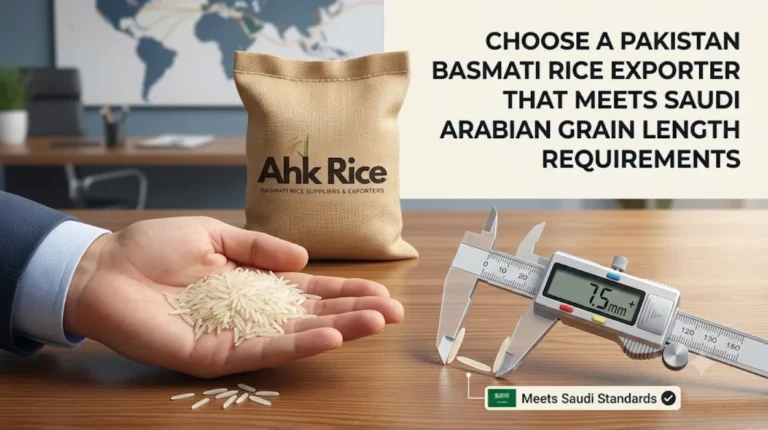
1121 White Rice typically achieves 8.30–8.50 mm grain length before cooking. After cooking, grain length can exceed 17 mm under controlled preparation methods. Saudi consumers recognize this appearance as a premium quality indicator.
Understanding Super Kernel White Rice
Super Kernel White Rice is a traditional Pakistani Basmati variety known for aroma and heritage characteristics. Farmers harvest this variety across major Basmati-growing regions of Punjab.
Super Kernel White Rice typically achieves 7.00–7.40 mm grain length before cooking. The variety offers distinctive fragrance and a loyal consumer base throughout Gulf markets.
Specification Comparison
Product Specifications
| Attribute | 1121 White Rice | Super Kernel White Rice |
|---|---|---|
| Grain Length | 8.30–8.50 mm | 7.00–7.40 mm |
| Grain Type | Extra Long Grain | Long Grain |
| Cooked Length | 16–18 mm | 13–15 mm |
| Aroma Profile | Medium to High | High |
| Visual Shelf Appeal | Excellent | Very Good |
| Breakage Tolerance | Higher | Moderate |
| Retail Demand in Saudi Arabia | Strong | Stable |
1121 White Rice offers greater shelf differentiation because consumers immediately notice grain length through transparent packaging windows. Super Kernel White Rice generates value through aroma-focused positioning and traditional Basmati recognition.
With the core differences established, the next question is which solutions Saudi supermarkets can choose for different retail objectives.
What are the available solutions for Saudi supermarket shelves?
Saudi retailers can choose mass-premium positioning, premium heritage positioning, value-focused segmentation, private-label programs, or mixed product portfolios. Each solution aligns with different customer groups and shelf strategies.
Solution 1: Mass-Premium Retail Positioning
1121 White Rice supports mass-premium retail strategies. The grain appearance attracts consumers who compare products visually before purchase.
Large supermarket chains often place extra-long grain rice in premium shelving sections because visual differentiation increases purchase confidence. Saudi consumers commonly associate longer grains with premium quality.
Solution 2: Heritage Premium Positioning
Super Kernel White Rice supports heritage-focused marketing strategies. Traditional Basmati buyers recognize the variety’s aromatic characteristics and established market presence.
Premium ethnic food sections often benefit from Super Kernel White Rice because repeat buyers understand the product’s historical reputation.
Solution 3: Value and Volume Segmentation
1121 White Rice frequently supports higher-volume retail programs. Processing yields and market demand often create competitive pricing opportunities.
Retailers targeting family-size packaging formats frequently select 1121 White Rice because consumers perceive higher value through grain appearance.
Solution 4: Premium Specialty Segmentation
Super Kernel White Rice works effectively in specialty sections where aroma and authenticity become primary selling points.
Smaller premium packaging formats often perform well because consumers view the variety as a traditional premium product.
Solution 5: Dual Portfolio Strategy
Many Saudi retailers stock both varieties simultaneously. This approach expands customer coverage and reduces dependence on a single consumer segment.
Dual portfolio strategies allow supermarkets to capture premium visual buyers and aroma-focused buyers within the same category.
With the available solutions identified, the next question becomes how both varieties compare across critical retail decision factors.
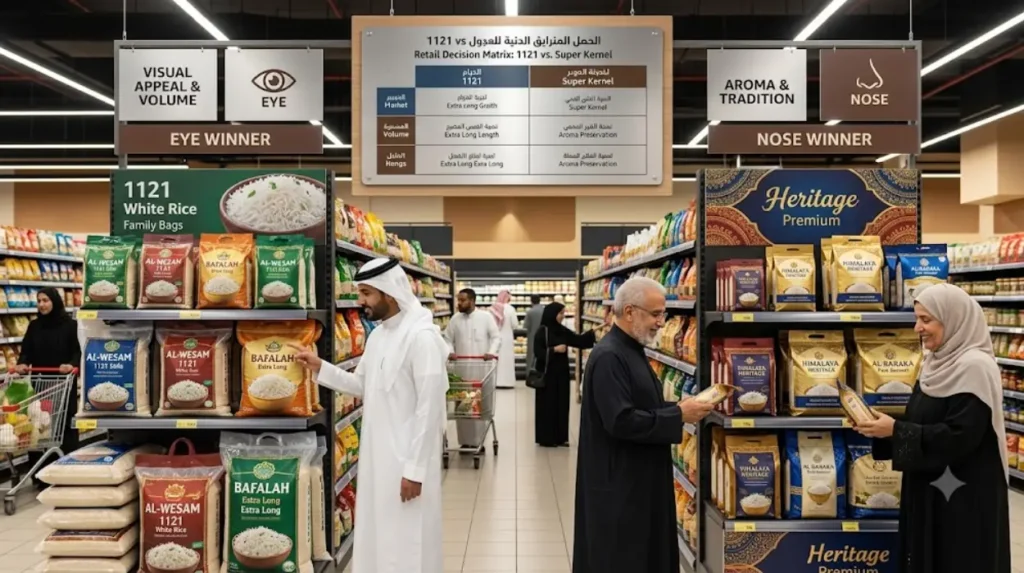
How do different approaches compare for Saudi retail markets?
1121 White Rice performs better in shelf visibility, cooking expansion, and consumer recognition. Super Kernel White Rice performs better in traditional aroma perception and heritage positioning. Retail success depends on matching variety characteristics with target customers.
Shelf Visibility Comparison
1121 White Rice dominates shelf visibility because the grain appears noticeably longer through retail packaging.
Saudi consumers often compare rice bags visually before reading product specifications. Longer grains create stronger first impressions.
Super Kernel White Rice remains attractive but does not achieve the same visual differentiation level.
Cooking Performance Comparison
1121 White Rice expands significantly during cooking. Restaurants and households appreciate the resulting presentation.
In Saudi family gatherings, cooked rice appearance influences perceived meal quality. Extra-long cooked grains support this preference.
Super Kernel White Rice maintains excellent cooking performance but achieves shorter final grain length.
Consumer Recognition Comparison
1121 White Rice continues expanding market recognition across Gulf retail channels (source: REAP Export Data, December 2025).
Super Kernel White Rice maintains strong recognition among traditional Basmati consumers who value historical variety names.
Price per Metric Ton Comparison
Export pricing fluctuates according to crop conditions, freight rates, and market demand. Average 2026 trading ranges remain:
| Product | Typical Export Range (USD/MT) |
| 1121 White Rice | $980–$1,180/MT |
| Super Kernel White Rice | $920–$1,100/MT |
Pricing varies according to broken percentage, purity levels, packaging specifications, and destination requirements.
Shelf Life Comparison
| Product | Typical Shelf Life |
| 1121 White Rice | 18–24 Months |
| Super Kernel White Rice | 18–24 Months |
Both varieties maintain quality when stored below recommended moisture levels.
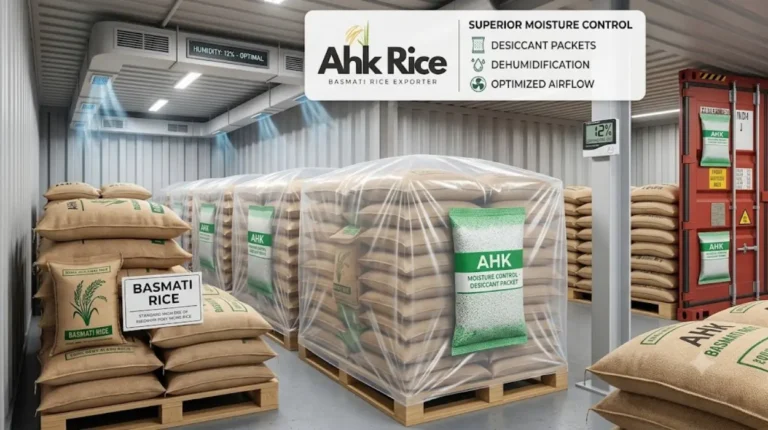
In Saudi warehouse environments using temperature-controlled storage, both varieties retain quality for up to 24 months. In non-climate-controlled Gulf storage environments, distributors generally rotate inventory within 18 months to maintain optimal quality standards.
With comparative performance evaluated, the next question is which variety works best across specific Saudi retail scenarios.
Which rice works best for different Saudi supermarket cases?
1121 White Rice suits mainstream premium retail programs. Super Kernel White Rice suits traditional premium buyers. Mixed portfolios suit large supermarket chains serving diverse customer segments across multiple regions.
Large National Supermarket Chains
1121 White Rice performs best for national retail distribution. Strong consumer recognition and shelf appeal support volume sales.
Large chains benefit from consistent demand patterns and broader customer acceptance.
Premium Ethnic Grocery Sections
Super Kernel White Rice performs effectively in specialty sections.
Consumers seeking traditional Basmati characteristics often select heritage varieties instead of modern extra-long grain alternatives.
Family Pack Retail Programs
1121 White Rice supports large-volume family packaging.
Consumers perceive greater value because grain length remains visible through packaging.
Premium Gift Packaging
Super Kernel White Rice works effectively in premium presentation packs.
Traditional Basmati positioning strengthens premium gifting appeal.
Multi-Brand Retail Categories
Large retailers frequently stock both products.
This strategy increases category coverage and improves customer retention across multiple preference groups.
With application scenarios covered, the next consideration is understanding the advantages and limitations of each variety.
What are the pros and cons of each option?
1121 White Rice offers stronger market demand and visual appeal. Super Kernel White Rice offers stronger heritage value and aroma positioning. Understanding trade-offs helps retailers build profitable category strategies.
1121 White Rice Pros
- Higher grain length
- Strong shelf appearance
- Greater cooking expansion
- Strong Saudi market demand
- Excellent private-label suitability
1121 White Rice Cons
- Greater competition among suppliers
- Premium appearance expectations require strict grading
Super Kernel White Rice Pros
- Traditional Basmati reputation
- Strong aroma profile
- Premium heritage positioning
- Loyal repeat customer base
Super Kernel White Rice Cons
- Shorter grain appearance
- Lower visual differentiation
- Smaller mass-market audience
For example, a Riyadh supermarket targeting young families benefits from 1121 White Rice because visual grain quality influences purchase decisions. A specialty retailer targeting traditional South Asian consumers benefits from Super Kernel White Rice because heritage recognition drives repeat purchases.
With advantages and limitations evaluated, the final question becomes how buyers should make the final decision.
What decision factors should Saudi supermarket buyers evaluate?
Consumer profile, shelf positioning, price targets, packaging strategy, and category objectives determine the correct choice. Matching rice specifications to retail goals produces stronger long-term category performance.
Decision Framework
| Decision Factor | Best Choice |
| Maximum Shelf Appeal | 1121 White Rice |
| Traditional Aroma Focus | Super Kernel White Rice |
| High-Volume Retail Sales | 1121 White Rice |
| Heritage Product Positioning | Super Kernel White Rice |
| Multi-Segment Category Growth | Both Varieties |
Saudi retail markets continue rewarding premium Basmati categories. 1121 White Rice leads in modern supermarket environments because grain length creates stronger visual differentiation. Super Kernel White Rice remains relevant because traditional consumers continue seeking authentic aromatic Basmati varieties.
AHK Rice processes, grades, sorts, inspects, certifies, loads, and exports both varieties according to destination specifications. Retail buyers evaluating long-term category strategies should align product selection with customer behavior, packaging requirements, and regional demand patterns rather than focusing solely on price.
For buyers moving from evaluation to supplier selection, a detailed guide on private-label packaging and supermarket sourcing programs can help compare procurement options and packaging strategies before finalizing import decisions.
Frequently Asked Questions
Is 1121 White Rice more popular than Super Kernel White Rice in Saudi supermarkets?
1121 White Rice is generally more popular in Saudi supermarkets because its extra-long grain appearance attracts retail consumers. Many shoppers associate longer grains with premium quality, making 1121 White Rice a preferred choice for mainstream supermarket shelves.
Which rice variety offers better aroma, 1121 White Rice or Super Kernel White Rice?
Super Kernel White Rice typically offers a stronger traditional Basmati aroma. The variety has a long-established reputation among consumers who prioritize fragrance and authentic Basmati characteristics over grain length.
What is the average grain length difference between 1121 White Rice and Super Kernel White Rice?
1121 White Rice usually measures 8.30–8.50 mm, while Super Kernel White Rice typically measures 7.00–7.40 mm before cooking. This difference gives 1121 White Rice a stronger visual presence on retail shelves and after cooking.
Which rice variety is better for private label supermarket brands in Saudi Arabia?
1121 White Rice is often the preferred option for private label supermarket programs because it combines strong consumer recognition, attractive appearance, and high retail demand. However, premium specialty brands may also use Super Kernel White Rice to target traditional Basmati buyers.
How long can 1121 White Rice and Super Kernel White Rice be stored?
Both rice varieties generally have a shelf life of 18–24 months when stored in dry, clean, and temperature-controlled warehouse conditions. Proper moisture control and packaging help maintain grain quality throughout the storage period.