AHK Rice UK: Premium Basmati Direct from Pakistan — UK Contact Available
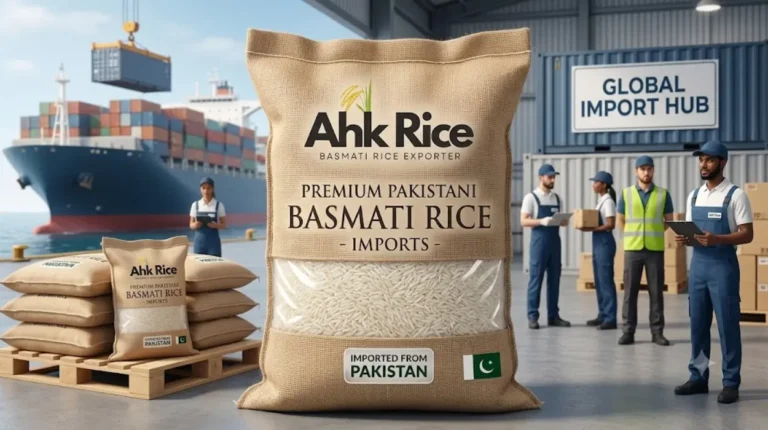
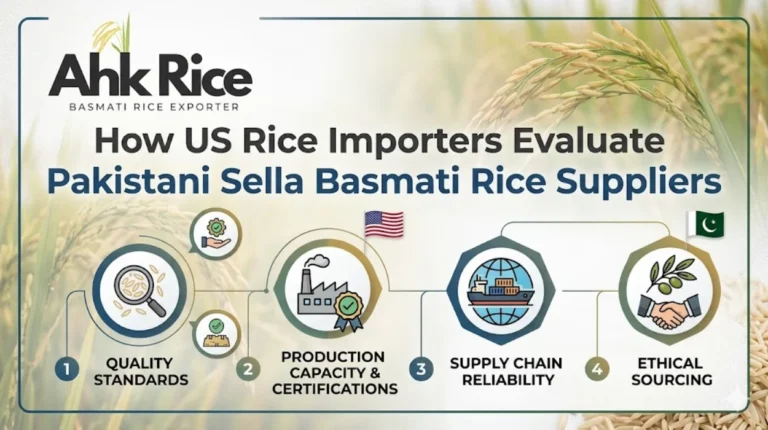
UK importers need consistent grain length, certified processing, and reliable dispatch schedules. AHK Rice delivers direct Pakistani basmati exports with UK market support, flexible packaging, and documented quality controls. Here is why: UK wholesalers now prioritize verified supply chains, stable pricing, and predictable lead times because retail competition increased after 2025 import cost fluctuations (source: UK HMRC trade statistics, 2025). Buyers who already reviewed this practical guide on importing Pakistani basmati into Britain should now evaluate supplier capability, shipment control, and commercial risk before placing container orders. See the full overview in this UK Pakistani basmati import buyer guide for 2026.
What is the best solution for UK buyers importing Pakistani basmati rice?
Direct container sourcing with verified milling, controlled moisture, and UK-focused documentation reduces landed cost risk, avoids inconsistent grain quality, and improves retail repeat purchases.
UK buyers face three common problems. Inconsistent grain length damages retail trust. Delayed shipping interrupts supermarket replenishment. Weak documentation slows customs clearance. AHK Rice addresses these risks through controlled milling, export inspection, and shipment scheduling for UK importers.
AHK Rice exports Super Kernel Basmati, 1121 Steam Basmati, 1121 Golden Sella, and PK 386 varieties for wholesale and retail distribution. UK ethnic retailers usually prefer aromatic long grain specifications because consumers compare elongation after cooking. UK catering distributors often select Golden Sella because parboiled grains tolerate bulk cooking without breaking.
Why does direct sourcing from Pakistan improve UK margins?
Direct sourcing removes intermediary commissions, improves specification control, and shortens communication cycles during production and dispatch.
UK importers buying through trading agents often lose visibility during processing. AHK Rice controls milling, grading, sorting, and container loading directly from Pakistan. Buyers receive production updates before dispatch because container inspection schedules are planned in advance.
AHK Rice follows defined processing stages for export basmati:
- Clean the harvested paddy.
- Dehusk the grain.
- Polish the rice surface.
- Grade by grain length.
- Sort broken percentages.
- Test moisture levels.
- Inspect export quality.
- Load food-grade containers.
- Dispatch sealed shipments.
These steps matter because UK retailers reject inconsistent grain appearance quickly. Premium shelves demand uniform colour, aroma, and cooking expansion.
How do UK retail buyers compare Super Kernel and 1121 Basmati?
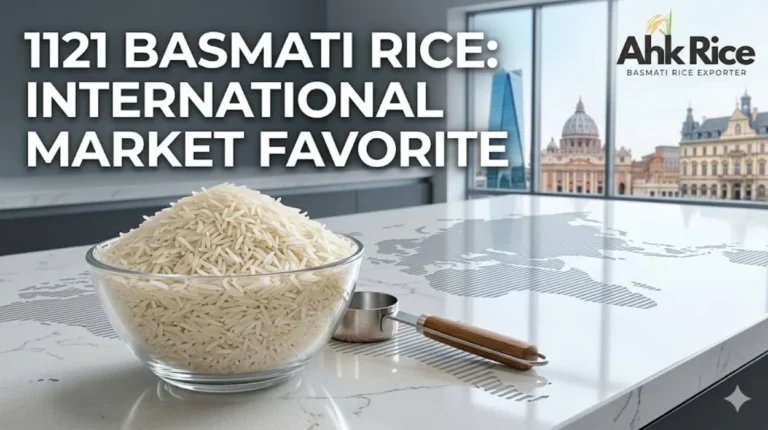
1121 delivers longer cooked grain appearance, while Super Kernel provides stronger aroma and traditional texture preferences for South Asian households.
1121 Steam Basmati typically cooks longer than Super Kernel. Super Kernel usually produces a stronger traditional fragrance. UK supermarket buyers targeting premium visual presentation often choose 1121. Independent ethnic stores frequently stock both grades because customer preferences vary by cooking style.
AHK Rice supports both retail categories with custom packing options. UK distributors can source:
- 1 kg retail packs.
- 5 kg family packs.
- 10 kg value packs.
- 20 kg catering bags.
- 40 kg wholesale PP bags.
This comparison becomes clearer when buyers review cooking behavior, grain elongation, and shelf preference differences in this detailed comparison between Super Kernel and 1121 for UK retail buyers.
With sourcing structure established, the next question is why UK importers specifically select AHK Rice instead of generic exporters.
Why choose Basmati Rice Exporter Pakistan to UK?
UK buyers choose AHK Rice because the company combines export-grade processing, shipment planning, market-specific packaging, and direct commercial communication for British import requirements.
The UK basmati market rewards consistency. Retail buyers reorder products that maintain identical cooking performance. AHK Rice focuses on repeatable processing standards because UK distributors prioritize customer retention over short-term price reductions.
UK buyers working with Basmati Rice Exporter Pakistan to UK receive support for specification matching, private labeling, and shipping coordination. AHK Rice also provides UK-oriented export documentation because customs delays increase warehousing costs significantly.
What quality controls does AHK Rice apply before export?
Moisture testing, colour sorting, broken percentage grading, and shipment inspection reduce rejection risk during UK import clearance.
AHK Rice verifies export quality before loading containers. Quality checks include:
- Moisture control.
- Colour sorting.
- Length grading.
- Broken separation.
- Stone removal.
- Aroma verification.
- Fumigation.
- Container inspection.
- Batch traceability.
These controls matter because UK distributors face retailer penalties after receiving inconsistent stock. Moisture instability creates spoilage risk during sea transit. Excessive broken grain lowers shelf value immediately.
AHK Rice also tests rice before dispatch because long transit routes require stable storage conditions. Steam Basmati and Golden Sella behave differently during storage. Golden Sella generally maintains quality longer in warmer warehouses. Steam rice requires faster retail turnover after arrival. For UK wholesalers storing inventory during summer months, Golden Sella often reduces handling losses.
What shipping timelines should UK buyers expect?
Standard sea shipments from Pakistan to the UK usually require 28–40 days depending on vessel routing, customs schedules, and seasonal congestion.
Shipping timelines change by UK destination port. Felixstowe shipments usually clear faster during stable trade periods. London Gateway may experience seasonal congestion during holiday import cycles. Manchester distribution routes increase inland delivery costs but shorten regional fulfillment time.
AHK Rice coordinates export schedules according to market requirements:
| UK Market Area | Estimated Transit Time | Common Buyer Type |
|---|---|---|
| London | 28–35 days | Retail distributors |
| Birmingham | 30–37 days | Ethnic wholesalers |
| Manchester | 32–40 days | Catering suppliers |
| Glasgow | 35–42 days | Regional importers |
Transit periods also depend on documentation accuracy. Incorrect packing lists create customs inspection delays. AHK Rice prepares export files before vessel booking because accurate documentation protects importer timelines.
What documents are required for UK basmati imports?
Commercial invoices, packing lists, phytosanitary certificates, and certificates of origin support compliant UK customs clearance.
UK buyers usually request:
- Commercial invoice.
- Packing list.
- Certificate of origin.
- Phytosanitary certificate.
- Fumigation certificate.
- Bill of lading.
- Health certificate.
- Insurance documents.
AHK Rice prepares export documentation according to buyer requirements because incomplete paperwork creates avoidable demurrage charges at UK ports.
With supplier capability verified, the next decision concerns expected commercial results after importing premium Pakistani basmati.
What results can UK buyers expect from AHK Rice?
Reliable grain consistency, repeat retail purchases, and stronger catering performance improve long-term import profitability for UK distributors.
Retail buyers judge basmati through appearance, aroma, and cooking performance. AHK Rice focuses on these measurable outcomes because repeat purchases depend on consistency. UK stores replacing inconsistent suppliers usually prioritize fewer customer complaints within the first sales cycle.
What retail outcomes improve after switching suppliers?
Higher shelf appeal, reduced broken grain complaints, and better cooking elongation improve customer retention across ethnic and mainstream grocery channels.
1121 Steam Basmati creates strong visual presentation after cooking because grains elongate significantly. Super Kernel supports premium traditional positioning because aroma remains a key purchasing factor for South Asian households.
AHK Rice helps UK retailers position products accurately through packaging customization and grade matching. Retailers serving Pakistani communities often stock Super Kernel prominently. Retailers targeting broader premium rice consumers frequently emphasize 1121 packaging visuals.
AHK Rice also supports private label packaging. UK distributors can build independent branding while sourcing directly from Pakistan. This structure improves long-term retail margin control.
What catering outcomes improve with export-grade basmati?
Lower breakage during bulk cooking, improved holding texture, and stable serving appearance support restaurant and catering operations.
Restaurants value consistency more than retail presentation alone. Golden Sella performs well in large-volume kitchens because parboiling strengthens grain structure. Steam Basmati creates softer texture but requires tighter cooking control.
AHK Rice supplies catering-focused specifications because UK foodservice operators demand dependable cooking behavior. Wedding caterers, restaurant chains, and institutional kitchens frequently choose Golden Sella for operational reliability.
For example, Golden Sella generally tolerates prolonged holding temperatures better than Steam Basmati. In large catering trays, Golden Sella maintains separation longer. Steam Basmati suits premium plated dining where immediate service timing is controlled.
With operational outcomes clarified, buyers usually evaluate pricing structure and total landed cost before placing orders.

What affects pricing and sample costs for UK basmati imports?
Grade selection, packaging type, shipment volume, seasonal harvest timing, and shipping conditions determine total import cost.
Basmati pricing changes throughout the year because harvest availability, freight rates, and currency movements influence export markets (source: REAP export data, December 2025). AHK Rice provides quotations according to current production and logistics conditions.
Which factors increase or reduce landed cost?
Packaging complexity, smaller order volumes, and premium grain specifications usually increase per-ton pricing.
Several variables influence final pricing:
- Grain variety.
- Broken percentage.
- Packaging material.
- Printing requirements.
- Container quantity.
- Freight conditions.
- Seasonal demand.
- Currency exchange rates.
1121 Steam generally costs differently from Golden Sella because processing requirements vary. Retail printed packaging increases production cost compared with standard PP export bags. Smaller shipments also increase landed cost because freight efficiency decreases below full container volume.
AHK Rice discusses these variables before production begins because accurate forecasting protects buyer margins.
How does the sample process work for UK buyers?
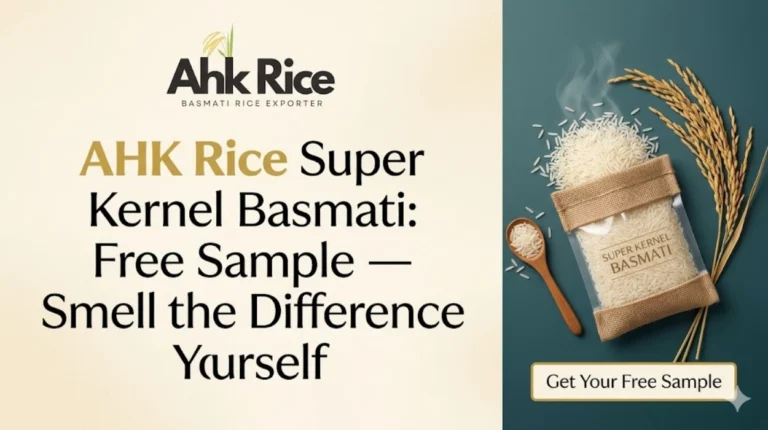
Sample dispatch usually requires 4–10 business days depending on courier routing, packaging preparation, and destination region within the UK.
AHK Rice uses a structured sample process for commercial buyers:
- Submit required grade specifications.
- Confirm packaging preference.
- Review available crop quality.
- Dispatch representative samples.
- Evaluate cooking performance.
- Approve production specifications.
- Finalize commercial quotation.
- Confirm container schedule.
Sample costs depend on quantity and courier destination. Small evaluation samples may only require courier charges. Larger branded sample requests increase preparation cost because retail packaging must be produced separately.
Typical sample considerations include:
| Sample Type | Estimated Cost Structure | Common Use |
|---|---|---|
| Basic grain sample | Courier cost only | Initial evaluation |
| Retail packed sample | Packaging + courier | Retail testing |
| Multi-grade sample set | Higher courier weight cost | Distributor comparison |
| Private label sample | Design + packaging cost | Brand launch |
AHK Rice recommends testing cooking elongation, aroma retention, and moisture behavior before confirming commercial orders because UK retail expectations remain highly competitive.
With pricing and evaluation clarified, the final step is understanding how to begin importing directly from Pakistan.
How can UK buyers get started with AHK Rice?
Specification review, sample approval, and shipment scheduling create a controlled import process with lower commercial risk.
UK buyers should define three points before requesting a quotation. First, confirm the target market segment. Retail stores require different packaging from catering distributors. Second, select the correct basmati grade. Third, estimate container frequency because long-term planning improves pricing consistency.
What should buyers prepare before requesting a quotation?
Clear volume targets, packaging requirements, and preferred delivery timelines speed up quotation accuracy and production planning.
AHK Rice typically requests:
- Target rice grade.
- Required grain length.
- Packaging format.
- Estimated order quantity.
- Delivery destination.
- Private label requirements.
- Preferred shipment month.
These details allow AHK Rice to prepare realistic production and freight schedules. Accurate planning also improves dispatch coordination during peak export periods.
Why do UK buyers continue working with AHK Rice?
Consistent communication, export-focused processing, and UK market understanding improve repeat ordering confidence over time.
AHK Rice supports long-term importer relationships through specification consistency and shipment planning. UK buyers avoid frequent supplier switching because retail reputation depends on stable product quality.
AHK Rice also understands UK commercial expectations. Buyers require fast quotation responses, documented quality standards, and predictable logistics. Export systems must support those requirements continuously.
AHK Rice positions Pakistani basmati as a premium import category rather than a commodity product. That distinction matters because UK consumers increasingly compare grain quality, aroma retention, and cooking appearance before repeat purchases.
AHK Rice continues expanding UK export relationships through direct supply structures, controlled processing, and shipment transparency. UK importers seeking reliable Pakistani basmati supply can start the process today through the official quote request page.
Frequently Asked Questions
How long does AHK Rice take to ship basmati rice to the UK?
AHK Rice usually dispatches UK orders within agreed production schedules. Sea shipments commonly require 28–40 days depending on port routing, customs clearance, and seasonal freight congestion. London and Felixstowe shipments often clear faster than northern UK destinations.
Does AHK Rice provide samples before commercial orders?
AHK Rice provides grain samples for UK importers before production begins. Buyers can test aroma, cooking elongation, moisture stability, and packaging quality. Sample costs usually depend on courier charges, packaging requirements, and requested sample quantity.
Which basmati grade is best for UK retail stores?
1121 Steam Basmati works well for premium retail shelves because the grain elongates significantly after cooking. Super Kernel Basmati suits traditional South Asian households because of its stronger aroma profile. AHK Rice helps buyers select grades according to customer demand.
Can AHK Rice supply private label basmati packaging?
AHK Rice supports private label packaging for UK distributors and wholesalers. Buyers can request custom branding, retail pack sizes, and export-ready labeling. Private label production helps UK importers build long-term retail recognition and stronger shelf positioning.
What documents does AHK Rice provide for UK imports?
AHK Rice prepares export documents required for UK customs processing. Common documents include the commercial invoice, packing list, phytosanitary certificate, certificate of origin, fumigation certificate, and bill of lading. Accurate documentation reduces customs delays and warehouse charges.