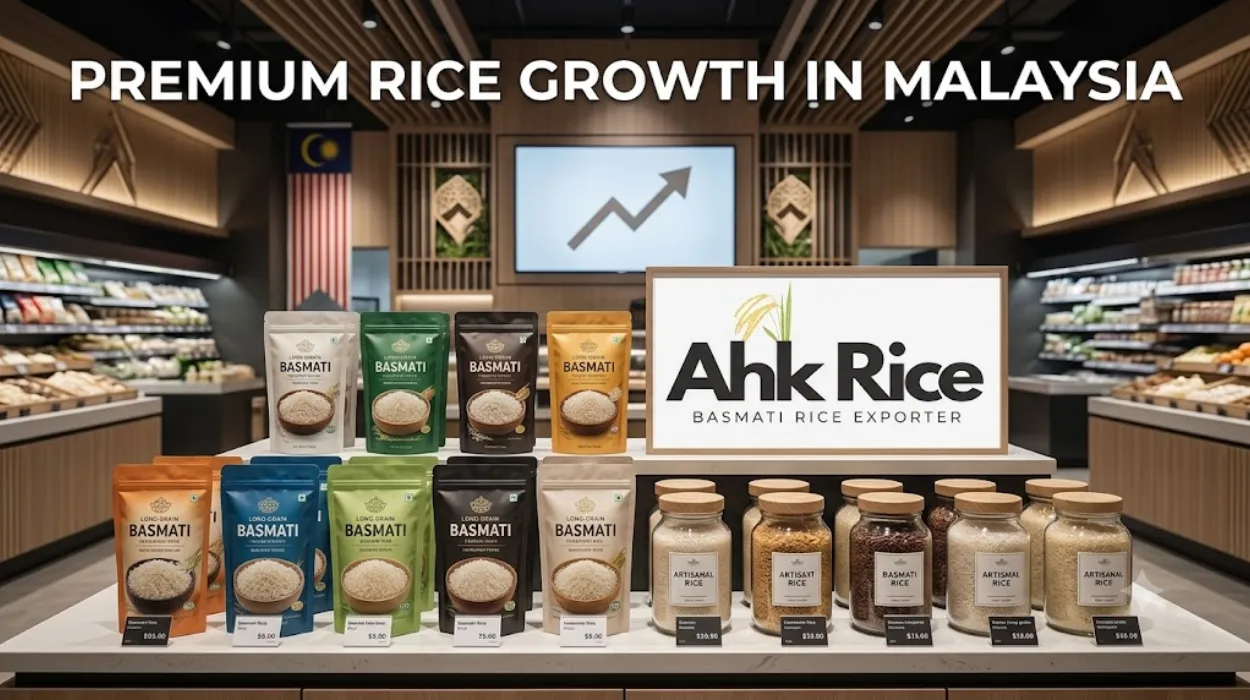
Malaysia’s Premium Rice Market Trends and Growth Potential for Pakistani Exporters
Malaysia’s premium rice market presents a strong growth opportunity for Pakistani exporters. Here is why: rising urban incomes, growing demand for premium Basmati rice, increasing food service consumption, and diversified sourcing strategies create favorable conditions for reliable Pakistani suppliers.
Malaysian rice buyers increasingly seek premium imported rice with consistent grain quality, aroma, and competitive pricing. Pakistani exporters that provide certified products, stable supply chains, and efficient logistics can secure long-term contracts in this market.
Exporters evaluating Malaysia should first understand consumer demand patterns. A useful starting point is understanding how international markets match rice varieties with local preferences, as explained in our guide onWhich Pakistani Rice Varieties Match Consumer Demand in Ivory Coast consumer demand and rice variety selection.
Malaysia imports substantial volumes of rice to supplement domestic production. Premium imported rice occupies an important segment in supermarkets, wholesalers, hotels, restaurants, and catering businesses. Pakistani Basmati rice remains competitive because it delivers aroma, grain elongation, and value compared to alternative premium origins.
For exporters planning market entry, supplier evaluation and logistics preparation are equally important. Our comparison guide on import logistics and supplier selection strategies explains how international buyers assess exporters before placing large orders.
What Is the Best Solution for Entering Malaysia’s Premium Rice Market?
The most effective solution is supplying certified 1121 Basmati, Super Kernel Basmati, and premium non-Basmati grades through reliable logistics, consistent specifications, and documented quality control systems.
Malaysia’s premium rice segment values consistency more than occasional low pricing. Buyers prefer suppliers that maintain identical specifications across multiple shipments.
Pakistani exporters should focus on premium categories with proven demand.
1121 Steam Basmati Rice
1121 Steam Basmati offers long grain length, attractive appearance, and strong cooking performance. Retail chains and premium distributors frequently source this grade.
1121 Golden Sella Basmati Rice
1121 Golden Sella Basmati provides longer shelf stability and excellent grain separation after cooking. Food service buyers often select this specification.
Super Kernel Basmati Rice
Super Kernel Basmati delivers traditional aroma and premium positioning. Specialty retailers and ethnic food distributors frequently import this variety.
Typical Premium Rice Specifications
| Specification | Premium Range |
|---|---|
| Grain Length | 8.2–8.4 mm |
| Moisture | 12–14% |
| Purity | 95–100% |
| Broken Grains | 1–5% |
| Foreign Matter | 0.1% max |
| Crop Year | Current Season |
| Shelf Life | 18–24 months |
AHK Rice supplies multiple premium specifications tailored to importer requirements. AHK Rice supports wholesalers, distributors, and food service buyers seeking consistent quality.
AHK Rice follows structured processing systems to maintain export standards.
Export Processing Steps
- Clean the paddy.
- De-husk the grain.
- Dry the rice.
- Mill the kernels.
- Polish the grains.
- Sort by length.
- Sort by color.
- Inspect specifications.
- Load export containers.
AHK Rice verifies each shipment before dispatch. AHK Rice also provides customized packaging for private label buyers.
With product selection established, the next question concerns supplier selection and competitive advantages.
Why Choose AHK Rice for Malaysian Rice Imports?

AHK Rice provides verified quality control, export documentation, flexible packaging, shipment support, and consistent product specifications required by professional Malaysian importers.
Malaysian buyers typically compare suppliers using measurable criteria. Product quality alone rarely determines purchasing decisions.
AHK Rice supports buyers through structured export procedures.
Quality Control Features
- Moisture testing
- Grain length verification
- Purity inspection
- Color sorting
- Metal detection
- Laboratory analysis
- Container inspection
AHK Rice maintains detailed quality records before shipment. This process reduces disputes after cargo arrival.
Export Documentation Support
- Commercial Invoice
- Packing List
- Certificate of Origin
- Phytosanitary Certificate
- Fumigation Certificate
- Bill of Lading
- Quality Certificate
Documentation accuracy directly impacts customs clearance efficiency.
Packaging Options
- 1 kg retail bags
- 5 kg retail bags
- 10 kg retail bags
- 20 kg PP bags
- 25 kg PP bags
- 40 kg PP bags
- 50 kg PP bags
AHK Rice offers private labeling solutions for distributors building local brands.
Shipping Time to Malaysia
| Origin Port | Destination | Transit Time |
|---|---|---|
| Karachi | Port Klang | 12–18 Days |
| Karachi | Penang | 14–20 Days |
| Karachi | Johor Port | 15–22 Days |
Shipping schedules vary according to vessel availability and seasonal congestion.
AHK Rice coordinates shipment planning to minimize delays. AHK Rice also provides pre-shipment updates throughout the export process.
With supplier capabilities covered, the next consideration is the expected business outcome.
What Results Can Be Expected From Exporting Premium Rice to Malaysia?
Exporters can expect recurring demand, stronger margins on premium grades, expanded distributor relationships, and long-term growth opportunities when product consistency is maintained.
Malaysia’s premium rice segment continues to expand because urban consumers increasingly prioritize quality and convenience.
Premium Basmati commands stronger margins than commodity rice categories. Importers often prefer premium products because they support differentiated retail positioning.
Market Segments Buying Premium Rice
| Buyer Type | Preferred Grades |
|---|---|
| Supermarkets | 1121 Steam |
| Food Service | 1121 Golden Sella |
| Hotels | Super Kernel |
| Distributors | Mixed Premium Grades |
| Ethnic Retailers | Traditional Basmati |
Importers generally evaluate suppliers through repeat orders rather than single transactions.
Example Scenario
A distributor imports one 20-foot container of premium Basmati rice. The first shipment focuses on market testing.
Positive consumer response leads to monthly ordering schedules. Consistent specifications create purchasing confidence. Stable quality reduces supplier switching.
AHK Rice supports such growth by maintaining identical quality standards across shipments.
Shelf Life Comparison
| Rice Type | Shelf Life |
|---|---|
| 1121 Golden Sella | 18–24 Months |
| 1121 Steam | 12–18 Months |
| Super Kernel Basmati | 12–18 Months |
Golden Sella lasts longer than Steam rice. In humid storage environments, Golden Sella maintains quality for extended periods. Food service distributors often prefer this specification because inventory remains stable during longer storage cycles.
With growth potential established, the next question involves pricing and investment considerations.
What Factors Affect Pricing for Malaysian Rice Buyers?
Product grade, grain specifications, packaging, certification, shipment size, freight rates, and seasonal supply conditions have the greatest impact on export pricing.
Premium rice pricing varies according to multiple commercial factors.
Product Factors
- Grain length
- Purity level
- Broken percentage
- Crop freshness
- Processing method
Higher purity specifications typically increase export pricing.
Logistics Factors
- Container availability
- Freight rates
- Fuel costs
- Port charges
- Customs expenses
Shipping markets directly affect final landed costs.
Packaging Factors
- Retail packaging
- Private labeling
- Bag material
- Printing requirements
- Palletization
Customized packaging increases production costs but supports stronger retail positioning.
Sample Process and Costs
Professional importers commonly request samples before confirming contracts.
Standard Sample Procedure
- Request product specifications.
- Verify grade availability.
- Prepare representative samples.
- Inspect laboratory results.
- Dispatch sample package.
- Evaluate cooking performance.
- Confirm commercial order.
Typical Sample Costs
| Item | Estimated Cost |
|---|---|
| Product Sample | Free–$20 |
| Laboratory Report | $20–$50 |
| Courier Charges | $40–$120 |
| Total Sample Cost | $60–$190 |
Sample expenses vary according to destination and testing requirements.
AHK Rice helps buyers evaluate samples before committing to container orders.
With pricing factors understood, the final step is beginning the sourcing process.
How Can Malaysian Importers Get Started With AHK Rice?
The fastest approach is requesting specifications, reviewing samples, verifying documentation, and confirming shipment schedules before placing a commercial order.
Professional procurement follows a structured process.
Buyer Onboarding Process
- Define required rice grade.
- Request technical specifications.
- Review available packaging.
- Receive product samples.
- Verify certifications.
- Confirm commercial terms.
- Approve shipment schedule.
- Finalize purchase order.
AHK Rice provides support throughout every stage of the procurement process.
Why Importers Choose AHK Rice
- Consistent specifications
- Export experience
- Flexible packaging
- Quality verification
- Documentation support
AHK Rice focuses on delivering dependable export performance. AHK Rice helps buyers reduce sourcing risk while maintaining premium product standards.
Malaysia’s premium rice market continues to reward suppliers that deliver consistency, documentation accuracy, and reliable logistics. Buyers seeking long-term sourcing partnerships can review specifications, request samples, and begin discussions through AHK Rice’s quotation request process.
Frequently Asked Questions
Is Malaysia a good market for Pakistani premium rice?
Malaysia imports significant quantities of premium rice every year. Demand exists in retail, food service, and wholesale sectors. Premium Basmati rice remains popular among consumers seeking aroma and grain elongation. Consistent suppliers gain repeat business. Long-term opportunities continue to expand.
Which Pakistani rice varieties perform best in Malaysia?
1121 Steam Basmati, 1121 Golden Sella Basmati, and Super Kernel Basmati perform strongly. These varieties offer premium appearance and cooking quality. Importers prefer consistent specifications. Retailers value presentation and aroma. Food service buyers prioritize performance and shelf stability.
How long does shipping from Pakistan to Malaysia take?
Most shipments reach Malaysian ports within 12 to 22 days. Transit times depend on destination ports and vessel schedules. Port congestion may affect delivery timelines. Advance planning reduces delays. Regular shipping updates improve supply chain visibility.
What certifications do Malaysian importers require?
Importers commonly request phytosanitary certificates, certificates of origin, and quality reports. Additional documentation depends on buyer requirements. Accurate paperwork supports customs clearance. Certification strengthens buyer confidence. Professional exporters maintain complete records.
How can buyers evaluate a Pakistani rice supplier?
Buyers should review samples, certifications, export history, and quality control procedures. Product consistency matters more than initial pricing. Documentation accuracy is important. Reliable logistics support long-term business. Professional communication improves procurement outcomes.