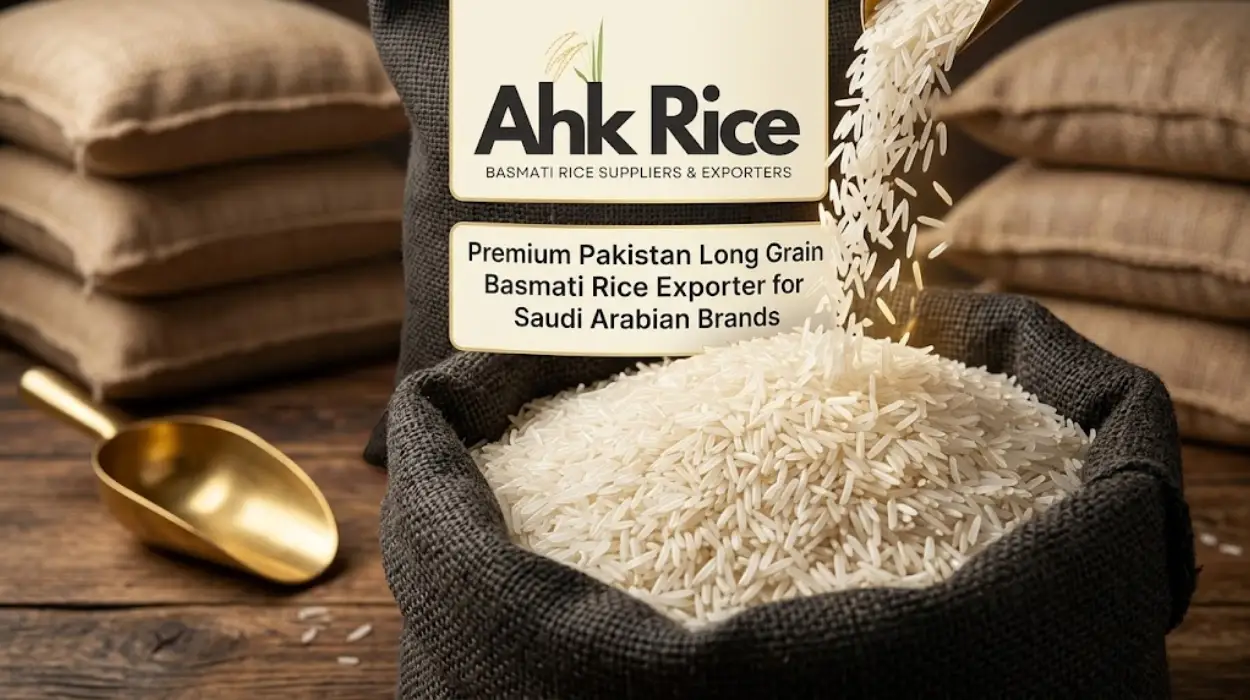
Premium Pakistan Long Grain Basmati Rice Exporter for Saudi Arabian Brands
Saudi Arabian rice brands, distributors, and food companies often face one core sourcing challenge: finding a Pakistan long grain basmati rice exporter that can consistently deliver premium grain quality, stable supply, and commercially viable pricing.
Premium positioning in Saudi Arabia depends on more than grain length. Buyers evaluate aroma, cooking performance, packaging reliability, export documentation, shipment timing, and supplier consistency. A supplier that performs well in one shipment but fails in the next creates unnecessary market risk.
For brands evaluating Pakistan basmati rice suppliers, understanding the quality standards behind premium rice selection is essential. A detailed explanation of why Pakistan basmati commands premium demand in Saudi Arabia is available in our guide on why extra long grain Pakistan Basmati rice is considered premium in Saudi Arabia.
AHK Rice works with Saudi Arabian brands that require export-grade basmati rice solutions built around consistent specifications, transparent sourcing, and dependable international delivery.
What is the best solution for Saudi Arabian brands searching for a premium Pakistan long grain basmati rice exporter?
The best solution is partnering with an exporter that combines certified Pakistan basmati sourcing, strict quality control, customized packaging, and reliable logistics planning to reduce supply risks while protecting brand reputation in the Saudi Arabian market.
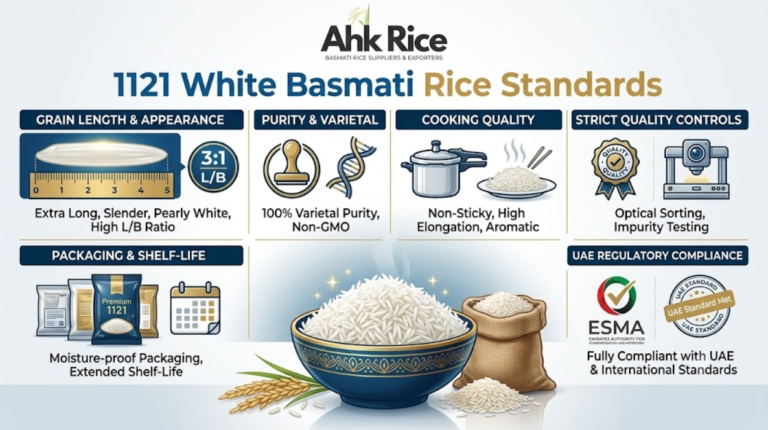
Saudi Arabian consumers recognize premium basmati through visible and measurable characteristics. These include extra-long grains, natural aroma, separate cooked grains, consistent texture, and strong performance in traditional dishes such as kabsa, mandi, and biryani.
The right export partner does not simply provide rice bags. The supplier must understand the commercial requirements of Saudi brands, including private label packaging, container planning, compliance documents, and delivery schedules.
AHK Rice provides Pakistan long grain basmati rice export solutions designed for businesses that need repeatable quality rather than occasional supply opportunities.
The most important factors Saudi buyers should evaluate include:
- Grain variety and market suitability
- Kernel length after cooking
- Aging process and moisture control
- Milling standards
- Foreign matter removal
- Laboratory testing
- Packaging durability
- Export experience
For brands comparing grain varieties, understanding the difference between premium categories is important. The comparison between 1121 Basmati and Super Kernel Rice in Saudi Arabia’s market helps buyers select the right product position for their customer segment.
A premium exporter should also provide clear product specifications before shipment. This allows Saudi importers to match the rice quality with their retail, wholesale, or foodservice requirements.
How does AHK Rice help Saudi brands achieve consistent premium rice quality?
AHK Rice helps Saudi brands achieve consistency through controlled sourcing, professional processing, export documentation support, and shipment planning that ensures every container matches agreed quality expectations and commercial requirements.
Consistency is the foundation of a successful rice brand. A retailer or distributor cannot build customer trust if grain appearance, aroma, or cooking results change between shipments.
AHK Rice focuses on quality control at multiple stages. Raw paddy selection is followed by processing checks, sorting, polishing, grading, and final inspection before export.
The company’s export approach supports different Saudi business models, including:
- Supermarket brands requiring retail-ready packaging
- Importers supplying wholesale networks
- Restaurants requiring reliable bulk quantities
- Food manufacturers needing stable specifications
The first product consideration for most buyers is selecting the correct export service structure. AHK Rice provides Pakistan Basmati rice export services for international buyers with solutions covering sourcing, processing, packaging, and shipment coordination.
The objective is not only to supply premium rice but also to simplify procurement decisions for overseas buyers.
Saudi brands benefit when their exporter understands local market expectations. Premium basmati buyers usually prioritize:
- Long grain appearance
- Strong cooking expansion
- Pleasant aroma
- Low breakage percentage
- Reliable availability throughout the year
AHK Rice supports these requirements by creating supply systems that focus on repeat orders and long-term commercial relationships.
What shipping days should Saudi Arabian buyers expect from Pakistan rice exporters?
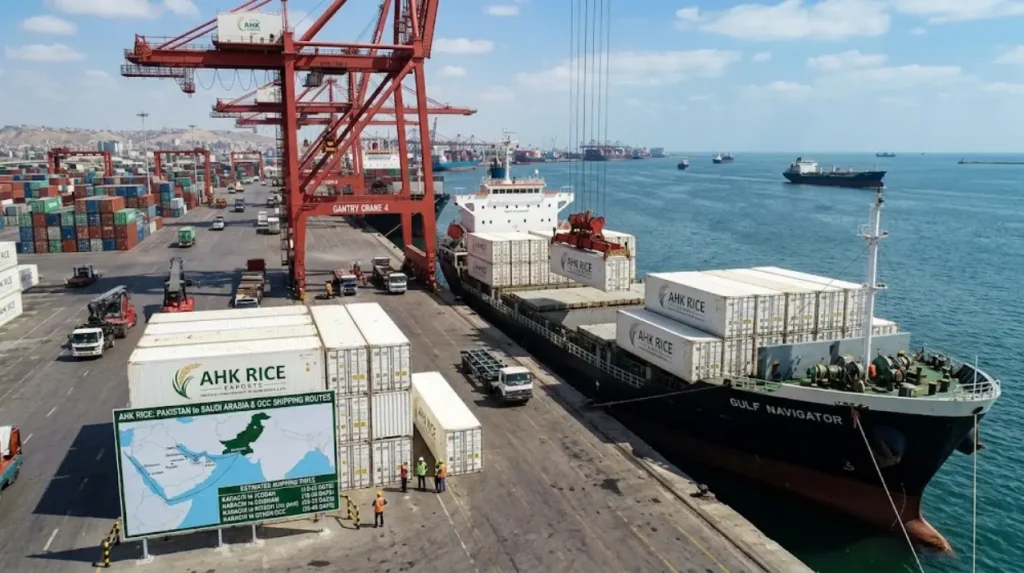
Saudi Arabian buyers typically receive Pakistan basmati rice shipments within approximately 15 to 35 days depending on port selection, vessel schedules, customs procedures, container availability, and final delivery requirements.
Shipping timelines vary based on the destination port and logistics conditions. Export planning should always include production time, documentation preparation, loading schedules, ocean transit, and destination clearance.
Typical timelines include:
| Market Route | Estimated Shipping Time |
|---|---|
| Karachi to Jeddah | 15–25 days |
| Karachi to Dammam | 18–30 days |
| Karachi to Riyadh distribution via port | 20–35 days |
| Karachi to other GCC destinations | 20–40 days |
These estimates represent normal commercial conditions and can change due to vessel schedules, seasonal demand, port congestion, and customs processing.
For Saudi brands, the most effective approach is planning shipments before inventory reaches critical levels. A professional exporter helps buyers forecast demand and schedule containers accordingly.
AHK Rice supports export coordination by aligning production readiness, documentation, and shipment planning to reduce unnecessary delays.
What results can Saudi brands expect after choosing a reliable Pakistan basmati supplier?
Saudi brands can expect improved product consistency, stronger customer satisfaction, fewer supply disruptions, and better market positioning when they work with an exporter focused on premium-grade Pakistan long grain basmati rice.
The commercial outcome of choosing the right supplier extends beyond rice quality. A reliable exporter helps brands protect their reputation in competitive retail and foodservice environments.
Expected business benefits include:
More consistent customer experience
When rice performs the same way in every package, customers develop trust in the brand. Consistent cooking results are especially important for restaurants and premium retail products.
Reduced procurement challenges
A structured supplier relationship reduces issues caused by inconsistent specifications, unexpected quality changes, or delayed communication.
Better premium positioning
Pakistan long grain basmati has strong recognition among Saudi consumers. Brands that maintain high quality can use this reputation to support premium pricing strategies.
Easier business expansion
Reliable supply enables brands to introduce larger packaging formats, private label products, or new distribution channels.
AHK Rice supports businesses that want to move from basic commodity purchasing toward strategic rice sourcing.
How much does premium Pakistan long grain basmati rice cost for Saudi Arabian buyers?
The cost of premium Pakistan long grain basmati rice depends on grain variety, quality grade, order volume, packaging requirements, aging period, market conditions, and shipping factors rather than a single fixed export price.
Rice export pricing changes according to several variables. Saudi buyers should evaluate the complete landed cost instead of comparing only the initial product price.
Major pricing factors include:
Rice variety
Extra-long grain varieties such as 1121 basmati generally command higher prices due to grain length, cooking expansion, and premium consumer demand.
Processing specifications
Higher sorting standards, lower broken percentages, and advanced quality controls can increase product value.
Aging period
Aged basmati rice often receives premium positioning because aging improves cooking characteristics and market appeal.
Packaging requirements
Retail brands may require customized printed bags, specific weights, and additional packaging controls.
Shipment volume
Full container orders generally provide better cost efficiency compared with smaller purchasing quantities.
Freight and destination costs
Ocean freight, port charges, customs handling, and inland transportation influence the final landed cost in Saudi Arabia.
A sample commercial calculation can help buyers understand the process:
Example: One 20-foot container shipment
- Product: Premium 1121 Pakistan Basmati Rice
- Quantity: Approximately 24 metric tons
- Rice cost example: $1,150 per metric ton
- Product value: $27,600
- Packaging and preparation: $1,200
- Documentation and handling: $300
- Ocean freight estimate: $900
- Estimated shipment value before destination charges: $30,000
Final costs may vary depending on contract terms, season, freight conditions, and buyer specifications.
Professional exporters provide quotations based on current market conditions rather than outdated pricing assumptions.
What is the complete export process from Pakistan to Saudi Arabia?
The complete export process includes product selection, quotation approval, quality confirmation, packaging preparation, documentation, container loading, shipment tracking, and destination delivery coordination between exporter and buyer.
A typical Saudi Arabia rice import process follows these steps:
Step 1: Requirement discussion
The buyer defines rice variety, packaging format, quantity, and target market requirements.
Step 2: Product selection
The exporter recommends suitable varieties based on customer positioning, including retail, wholesale, or foodservice requirements.
Step 3: Sample approval
Before large orders, buyers usually review samples to confirm grain quality, aroma, appearance, and cooking performance.
Step 4: Commercial agreement
Both parties finalize pricing, payment terms, shipment schedule, and product specifications.
Step 5: Processing and quality inspection
Rice is processed, graded, packed, and checked according to agreed standards.
Step 6: Export documentation
Required documents typically include commercial invoices, packing lists, certificates, and shipping documents.
Step 7: Container shipment
The exporter arranges container loading and provides shipment details for tracking.
Step 8: Saudi Arabia delivery
The buyer completes import procedures and receives the shipment for distribution.
AHK Rice follows a structured export workflow to make international sourcing easier for Saudi brands.
How can Saudi Arabian brands start working with AHK Rice?
Saudi Arabian brands can begin by sharing their rice requirements, packaging needs, expected volumes, and delivery preferences so the exporter can prepare a suitable commercial proposal and supply plan.
Starting with clear requirements creates a faster and more accurate sourcing process.
Buyers should prepare information such as:
- Required rice variety
- Monthly or annual volume
- Packaging size
- Target customer segment
- Delivery location in Saudi Arabia
- Preferred shipment schedule
A professional exporter can then recommend the most suitable product specification and pricing structure.
AHK Rice supports Saudi brands looking for dependable Pakistan long grain basmati supply with a focus on quality, communication, and long-term cooperation.
For brands ready to evaluate specifications, pricing, and shipment options, the next step is to submit requirements through the official request a quote page.
Frequently Asked Questions
What makes Pakistan long grain basmati rice premium for Saudi Arabian brands?
Pakistan long grain basmati rice is considered premium because of its extra-long grains, natural aroma, cooking expansion, and separate grain texture. These qualities match the expectations of Saudi consumers for traditional dishes and premium rice products.
How long does Pakistan basmati rice shipping take to Saudi Arabia?
Shipping time from Pakistan to Saudi Arabia usually takes around 15 to 35 days depending on the destination port, vessel schedule, customs clearance, and inland delivery arrangements. Exact timelines vary based on shipment conditions.
What factors affect the price of exported Pakistan basmati rice?
The export price depends on rice variety, grain quality, aging period, order quantity, packaging requirements, processing standards, freight costs, and market conditions. Premium specifications generally have higher pricing because of added quality controls.
Can Saudi Arabian brands order private label basmati rice from AHK Rice?
Yes, Saudi Arabian brands can work with AHK Rice for customized rice supply solutions, including private label packaging, product specifications, and export coordination based on their market requirements.
What information is needed to request a rice export quotation?
Buyers should provide details such as required rice variety, quantity, packaging format, destination location, and expected delivery schedule. This helps the exporter prepare an accurate commercial proposal.