Why Does Inventory Planning Matter for Rice Distributors?
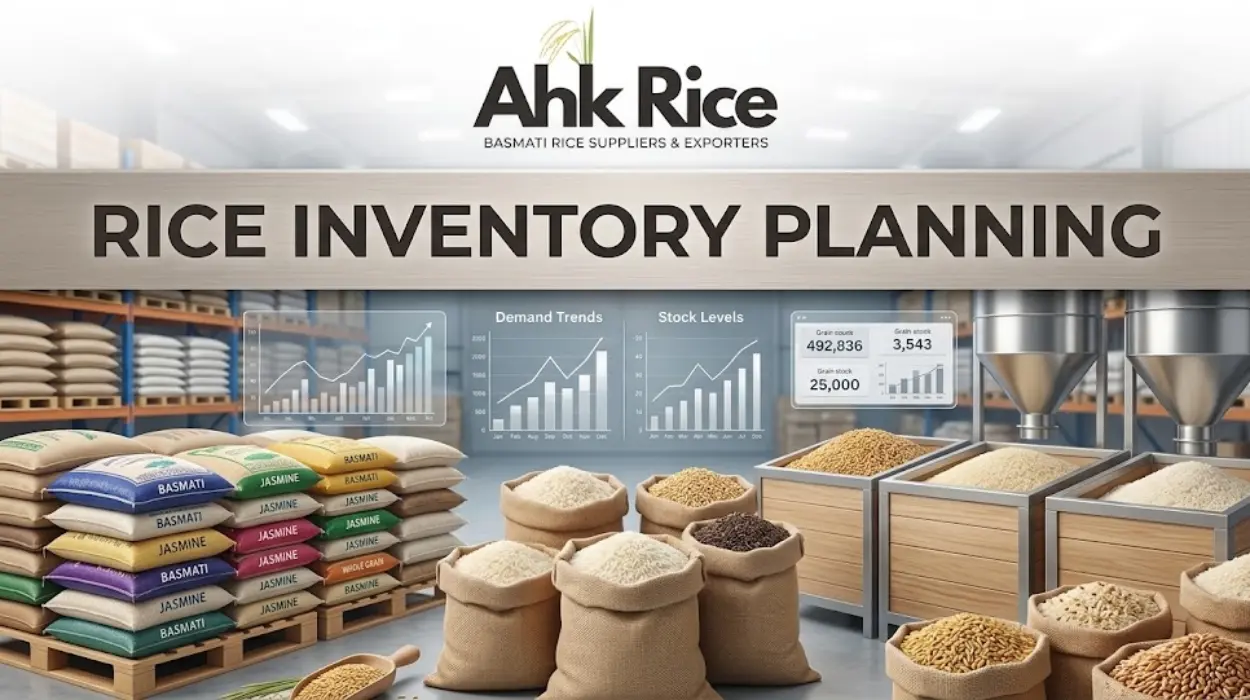
Inventory planning matters for rice distributors because it connects expected demand with purchasing, storage, replenishment, quality control, and delivery timing. A distributor needs enough rice to serve customers without tying excessive capital to slow-moving stock. The objective is controlled availability, not maximum inventory.
Rice distribution operates across several time horizons. A distributor can receive imported containers, store finished rice, allocate stock to wholesalers or retailers, and replenish inventory through another international shipment. Each stage has a different lead time and demand pattern. Inventory planning coordinates these stages before stock reaches a critical level.
For imported Pakistani Basmati rice, planning also connects the product specification with procurement timing. Pakistan produces several commercial Basmati and long-grain varieties, including 1121, Super Kernel, and 1509. These varieties are processed, graded, packed, documented, and shipped according to the buyer’s specification.
USDA’s April 2026 Pakistan Grain and Feed Annual forecasts Pakistan rice production at 9.8 million metric tons for 2026/27 and rice exports at 5.0 million metric tons. The report projects 2025/26 exports at 4.7 million metric tons. These figures show why supply planning must account for both production cycles and international demand.
What is inventory planning for rice distributors?
Inventory planning is the structured process of forecasting rice demand, setting stock targets, scheduling replenishment, controlling storage, and matching available quantities with customer orders. It prevents shortages, excessive stock, quality deterioration, and unnecessary working-capital pressure across distribution operations.
A rice distributor does not manage inventory by quantity alone. The inventory record needs to identify product variety, grade, packaging, lot, production date, warehouse location, available quantity, reserved quantity, and expected replenishment date.
For example, a distributor holding 1121 Steam Basmati in 5 kg retail bags cannot treat that inventory as identical to Super Kernel White Rice in 25 kg sacks. The products serve different customers, have different specifications, and move at different sales rates.
Inventory planning therefore begins with a demand forecast. The distributor reviews historical sales, customer contracts, seasonal demand, promotional activity, restaurant consumption, wholesale orders, and current purchase commitments. The forecast then determines the quantity required during the next replenishment cycle.
A basic inventory calculation uses:
Required inventory = forecast demand during lead time + safety stock − available inventory − confirmed inbound stock
Lead time means the time between placing a replenishment order and receiving usable inventory. For imported rice, this includes supplier preparation, processing, packing, documentation, port handling, ocean transportation, customs clearance, and inland delivery.
Safety stock is additional inventory held to protect against forecast errors and delivery variation. It should be calculated from actual demand and lead-time performance rather than selected as an arbitrary percentage.
How does rice inventory planning work?
Rice inventory planning works by combining demand forecasts, current stock, committed orders, supplier lead times, safety stock, shipment schedules, warehouse capacity, and product shelf-life controls into one replenishment cycle that determines when and how much rice to purchase.
The process starts with demand measurement. The distributor calculates average daily or weekly sales for each stock-keeping unit, or SKU. A SKU is one distinct inventory item defined by characteristics such as variety, grade, package size, and branding.
The next step is demand forecasting. Suppose a distributor sells 120 metric tons of 1121 Basmati each month. A three-month demand forecast produces 360 metric tons before accounting for safety stock or existing inventory.
The distributor then measures available inventory. This includes physical stock that has passed receiving checks and is available for sale. Reserved inventory is excluded because it already belongs to confirmed customer orders.
Inbound inventory is then added to the planning calculation. For example, 80 metric tons already loaded into a confirmed shipment are different from 80 metric tons that a supplier has only quoted.
The distributor next evaluates lead time. An international rice order passes through multiple stages. Processing and packing occur before export documentation, port handling, ocean freight, destination clearance, and inland transportation.
The replenishment point is reached when projected available inventory approaches the quantity required to cover demand during the remaining lead time plus safety stock.
A simple example illustrates the process. If monthly demand is 120 metric tons, lead time is two months, and safety stock is 60 metric tons, the replenishment requirement begins around 300 metric tons of projected coverage. The actual purchase quantity then depends on existing stock and confirmed inbound cargo.
The final step is continuous review. Inventory planning is not a single annual calculation. Sales data, customer orders, shipment status, quality results, and warehouse balances change the requirement throughout the year.
What are the key components of rice inventory planning?
The key components are demand forecasting, SKU classification, reorder points, safety stock, lead-time measurement, purchase-order control, shipment tracking, warehouse capacity, quality records, shelf-life management, and stock rotation. Each component protects a different part of distribution continuity.
Demand forecasting
Demand forecasting estimates future rice consumption by SKU and market. A distributor should separate recurring demand from temporary demand. For example, restaurant contracts create predictable consumption, while a short retail promotion creates a temporary increase.
Reorder points
The reorder point identifies the inventory level that triggers replenishment. It depends on demand during supplier lead time and the required safety stock.
Safety stock
Safety stock protects against demand variation and delivery variation. It becomes more important when international transportation has several sequential stages.
Purchase-order control
Purchase-order control connects ordered quantities with confirmed supplier quantities, specifications, packaging, prices, shipment dates, and documentation requirements.
Shipment visibility
Shipment visibility shows where replenishment inventory is located. A distributor needs to distinguish between stock in the warehouse, stock awaiting loading, cargo on water, cargo at the destination port, and cargo cleared for delivery.
Warehouse capacity
Rice inventory occupies physical space and requires organized pallet positions, lot controls, and suitable storage conditions. A purchase plan that ignores warehouse capacity creates receiving congestion.
Quality and lot control
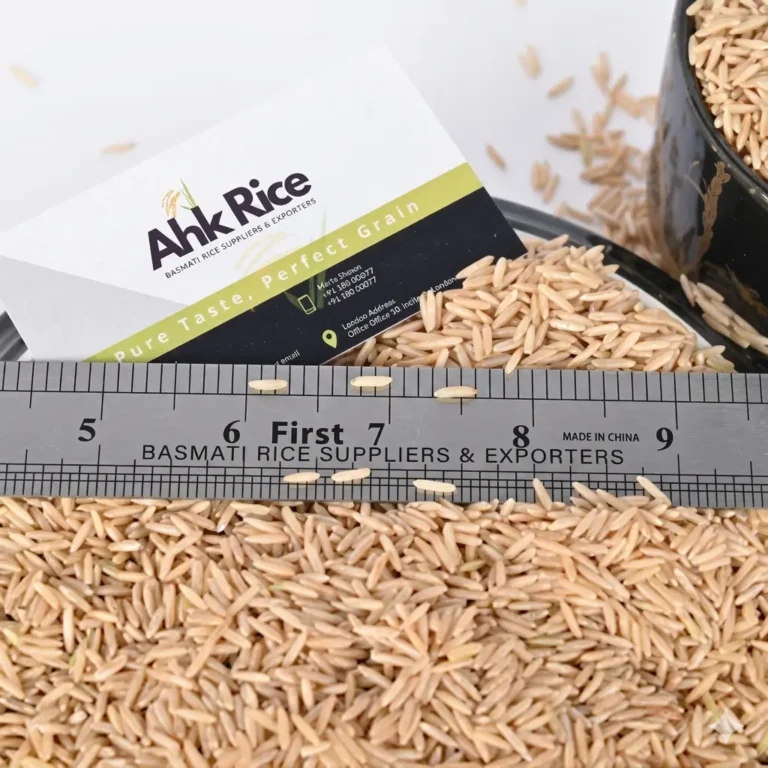
Inventory records should connect each lot with product specifications and quality documentation. Relevant records include moisture results, broken-grain percentage, grain length, purity, foreign matter, milling characteristics, packaging information, and inspection results.
Shelf-life management
Rice is shelf-stable, but storage conditions still affect product quality. Distributors should use lot-based stock rotation and avoid keeping slow-moving products in storage without monitoring age and condition.
Supplier lead-time performance
Historical supplier performance gives planners a measurable basis for replenishment. If actual preparation and shipment timing consistently differs from quoted timing, the inventory model needs to use the observed performance.
What are the benefits of inventory planning for rice distributors?
Effective inventory planning reduces stockouts, controls working capital, improves warehouse utilization, supports customer service, protects product quality, and creates predictable purchasing cycles. It also gives distributors measurable evidence for supplier, shipment, and replenishment decisions.
The first benefit is product availability. A distributor with insufficient inventory loses sales when customers require immediate delivery. This problem becomes more serious when the replacement shipment requires international transportation.
The second benefit is working-capital control. Excess inventory converts cash into stored product. The distributor then carries storage costs, handling costs, insurance exposure, and capital costs before selling the rice.
The third benefit is better warehouse utilization. Planned receipts can be matched with available storage positions. This prevents a large shipment from arriving when warehouse capacity is already committed.
The fourth benefit is improved customer service. Customer orders can be allocated against known inventory instead of relying on uncertain supplier availability.
The fifth benefit is better quality control. Lot-level planning allows distributors to rotate stock and identify which customer orders use specific production lots.
The sixth benefit is stronger procurement decisions. A distributor can compare suppliers using actual lead time, fill rate, quality consistency, documentation accuracy, and delivery performance instead of comparing price alone.
The seventh benefit is improved cash-flow forecasting. A planned replenishment schedule identifies when purchasing commitments, freight expenses, duties, storage expenses, and sales receipts occur.
Where is inventory planning used in rice distribution?
Inventory planning is used by importers, wholesalers, supermarket distributors, foodservice suppliers, restaurant suppliers, ethnic-food distributors, processors, and regional warehouses. Each operation uses inventory planning differently according to demand volume, package format, customer commitments, and replenishment lead time.
Importers use inventory planning to coordinate international purchasing with domestic demand. They need to determine when a new container should be ordered before current warehouse stock falls below the required service level.
Wholesalers use planning to balance multiple customer accounts. For example, one 25 kg rice SKU can serve restaurants, caterers, and foodservice wholesalers while moving at different rates across customer groups.
Supermarket distributors focus heavily on retail package sizes and store replenishment. A 1 kg or 5 kg package can require more frequent replenishment than a bulk foodservice SKU.
Restaurant suppliers prioritize continuity. A restaurant consuming 2 metric tons of Basmati each month requires dependable replenishment because a stockout affects menu availability.
Regional warehouses use inventory planning to position rice closer to demand centers. A distributor serving several states can allocate inventory between warehouses based on regional sales rates.
Imported rice programs also require coordination between origin supply and destination demand. Pakistani rice is grown primarily in Punjab and Sindh, with Punjab strongly associated with Basmati production. Processing involves cleaning, de-stoning, grading, sorting, milling, optical sorting where used, quality inspection, packaging, and export preparation.
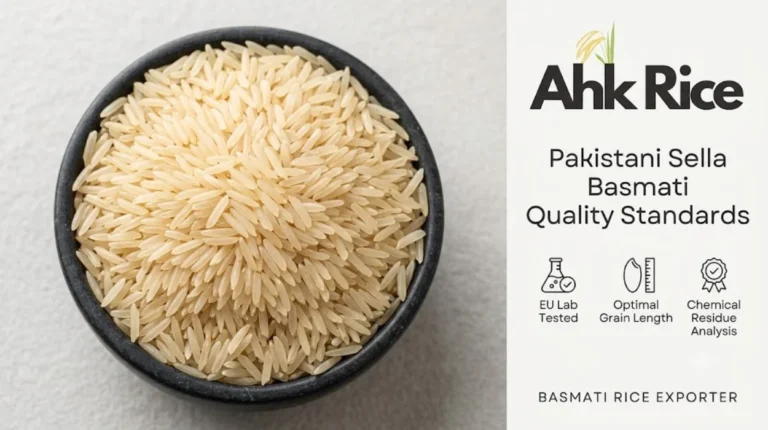
Common commercial grades include white rice, steam rice, and parboiled or Sella rice, with specifications varying by variety and market. 1121 Basmati, Super Kernel, and 1509 are examples of varieties used in export programs. Each specification must be treated as a separate inventory requirement when package, grade, or customer standards differ.
Which markets import rice and require inventory planning?
Rice inventory planning applies across major importing markets in the Middle East, North America, Europe, Africa, and Asia. Importers in these markets manage different demand cycles, package formats, regulatory requirements, transit times, customer segments, and preferred rice specifications.
The Middle East is a major destination for Pakistani rice, with markets such as Saudi Arabia and the United Arab Emirates serving retail, wholesale, foodservice, and hospitality customers.
North American markets also require structured planning because imported Basmati enters through international ports before moving into regional distribution networks. In the United States, imported food must satisfy applicable FDA requirements, including food facility registration and Prior Notice procedures. FDA states that imported food must meet the same legal requirements applicable to domestically produced food.
Europe combines retail, foodservice, and ethnic-food demand. Distributors therefore separate inventory according to package size, customer segment, labeling requirements, and sales velocity.
African markets include both wholesale and retail channels. Bulk formats and price-sensitive specifications often require different inventory strategies from premium Basmati programs.
Inventory planning must therefore begin with the destination market rather than treating all rice shipments as identical. A distributor should map demand by country, customer type, SKU, package size, and replenishment cycle.
What certifications and records matter to rice inventory planning?
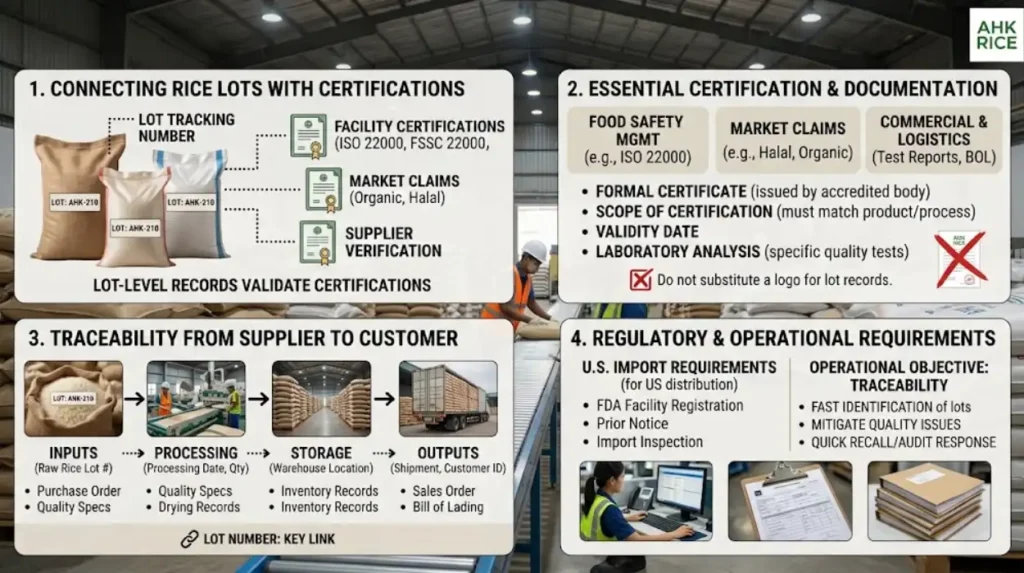
Certifications and records support inventory control by connecting physical rice lots with food-safety systems, supplier verification, quality testing, traceability, and market requirements. The exact certification requirement depends on the destination, customer specification, product claim, and applicable food regulations.
A certification is formal evidence that a defined requirement or standard has been assessed by an authorized or recognized body. It is different from a commercial quality specification, laboratory test report, or shipment document.
Food-safety management certifications can include standards such as ISO 22000 or FSSC 22000 when applicable to the facility and customer program. HACCP is a preventive food-safety system based on hazard analysis and critical control points.
Other certifications and claims depend on the target market and customer. Examples include Halal certification, organic certification, BRCGS certification, and social or ethical compliance programs.
Inventory planners should not treat a certification logo as a substitute for lot-level records. The inventory system should connect the relevant lot with its supplier, processing date, test results, certificate scope, packaging details, and shipment documentation.
For U.S. distribution, regulatory compliance also includes importer responsibilities. FDA identifies food facility registration and Prior Notice among applicable import requirements, while imported food remains subject to inspection at U.S. ports.
The operational objective is traceability. If a quality issue occurs, the distributor needs to identify affected lots, quantities, warehouse locations, customers, and shipment records quickly.
What are common inventory planning problems and misconceptions?
Common problems include treating all rice as one stock category, ignoring inbound inventory, using fixed safety stock, overlooking lead-time variation, mixing lots, and buying only on price. Strong planning separates products, measures actual demand, and connects inventory decisions with shipment and quality records.
One misconception is that high inventory always means better availability. Excess stock creates storage costs and ties up capital. The correct target is enough inventory to satisfy expected demand and protect against defined supply variation.
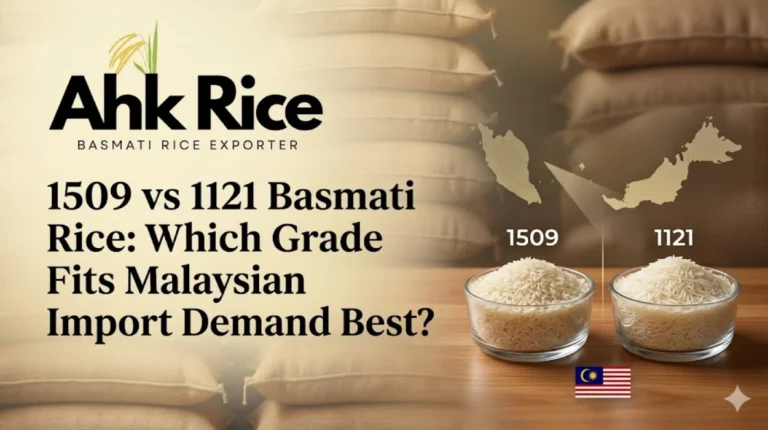
Another problem is treating all Basmati rice as interchangeable. 1121, Super Kernel, and 1509 have different commercial specifications and customer applications. Substituting one for another without customer approval creates specification risk.
A third problem is ignoring inventory already in transit. A shipment on a vessel is not warehouse-ready stock. The planner needs its estimated arrival, customs status, documentation status, and expected release date before counting it as usable supply.
A fourth problem is using one safety-stock percentage for every SKU. Fast-moving products, slow-moving products, seasonal products, and contract-specific products have different demand profiles.
A fifth problem is ignoring quality during stock rotation. A distributor that tracks only bags or metric tons loses visibility into lot age, testing, and product condition.
A sixth problem is purchasing based only on the lowest quoted price. A lower purchase price does not automatically create lower distribution cost when the shipment has longer lead time, inconsistent specifications, higher rejection risk, or poor documentation performance.
The strongest inventory model therefore links four layers: demand, physical stock, inbound supply, and customer commitments. When these four layers remain synchronized, rice distributors can plan replenishment based on evidence rather than emergency purchasing.
For distributors moving imported rice, the next planning question is:
How inventory targets should interact with supplier lead times, shipment schedules, and customer demand. This connects inventory control directly with delivery execution and replenishment timing.
Frequently Asked Questions
Why is inventory planning important for rice distributors?
Inventory planning helps rice distributors maintain enough stock to meet customer demand without holding excessive quantities. It improves purchasing, warehouse utilization, cash-flow control, product availability, and delivery reliability.
How does inventory planning prevent rice stockouts?
Inventory planning uses demand forecasts, reorder points, safety stock, and supplier lead times to identify when replenishment must begin. This allows distributors to place orders before available stock falls below required customer demand.
What factors should rice distributors consider when planning inventory?
Key factors include historical sales, forecast demand, current stock, confirmed customer orders, inbound shipments, supplier lead times, safety stock, warehouse capacity, product shelf life, quality requirements, and seasonal demand.
How much safety stock should a rice distributor maintain?
Safety stock should reflect actual demand variation and replenishment lead-time variation. A distributor should calculate it for each SKU rather than applying one fixed percentage to all rice products.
Why should distributors separate rice varieties in inventory planning?
Rice varieties have different specifications, customer requirements, prices, packaging formats, and sales rates. Separating 1121 Basmati, Super Kernel, and 1509 inventory prevents incorrect substitutions and improves replenishment accuracy.
How does lead time affect rice inventory planning?
Longer lead times require distributors to start replenishment earlier. International rice orders include processing, packaging, documentation, port handling, ocean freight, customs clearance, and inland transportation before stock becomes available for sale.