Pakistan Rice Exports Gain Momentum in China Market
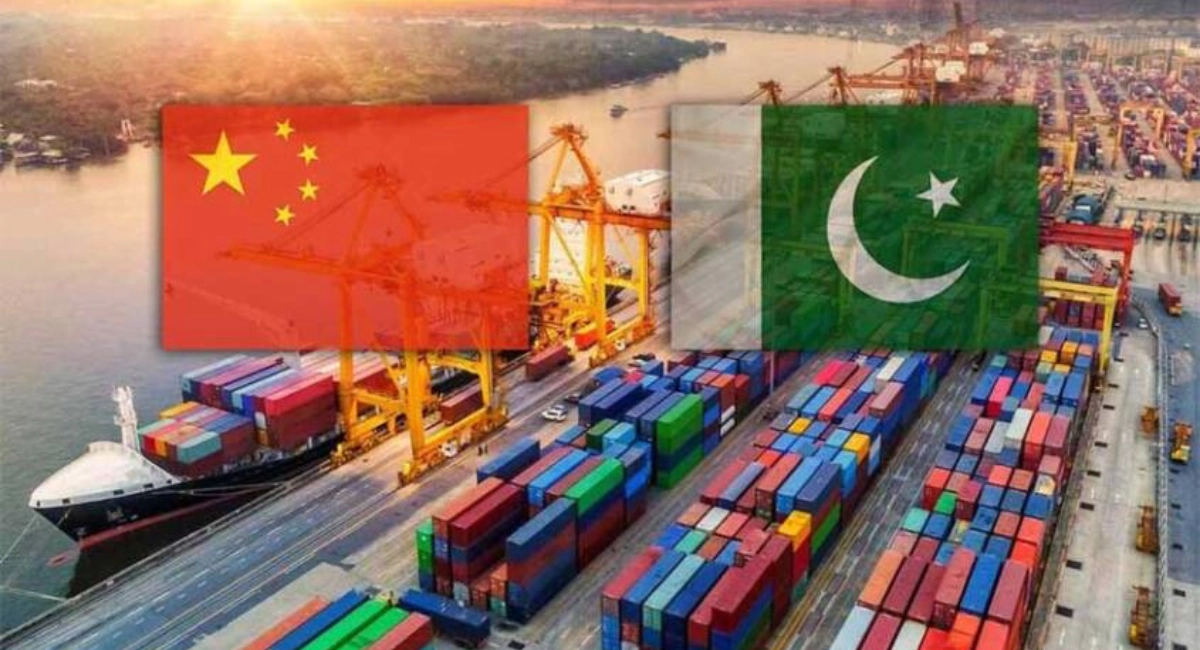
Pakistan’s exports to China have recorded significant growth in the first five months of 2026, highlighting stronger bilateral trade relations and creating fresh opportunities for the country’s rice industry. According to China’s General Administration of Customs (GACC), Pakistan’s exports exceeded $1.55 billion between January and May 2026, representing a 48.7% increase compared with the same period in 2025.
The expansion reflects growing demand for Pakistani products in the Chinese market, including rice, agricultural commodities, minerals, and other export categories. For international buyers, rice importers, wholesalers, and distributors, this development signals increasing potential for Pakistan as a reliable supplier within the global rice market.
How Is China’s Growing Demand Supporting Pakistan Rice Exports?
China’s increasing imports from Pakistan are strengthening the foundation of bilateral agricultural trade. While copper products contributed a major share of export growth, the opening of the rice export season also played an important role in boosting shipment activity.
Pakistan is one of the world’s leading rice-producing countries, recognised for premium-quality Basmati rice and competitive non-Basmati varieties. The growing presence of Pakistani rice in China reflects improving market access, stronger supply relationships, and increasing recognition among international buyers.
For rice exporters, the China market represents an important opportunity due to its large consumer base and rising demand for quality agricultural products. Expanding trade channels could help Pakistani suppliers increase their market share while offering Chinese importers more sourcing options.
What Does This Mean for the Global Rice Market?
The latest export performance highlights Pakistan’s growing role in the global rice market. As international buyers continue to diversify their sourcing strategies, Pakistan is becoming an increasingly important origin for high-quality rice supplies.
Basmati rice remains one of Pakistan’s strongest export products due to its aroma, grain quality, and reputation among premium rice consumers. Increased access to markets such as China may support greater demand for Pakistani varieties and encourage exporters to strengthen production standards, packaging, and international distribution networks.
The development also comes at a time when global rice trade is influenced by changing consumer demand, supply chain adjustments, weather conditions, and shifting export policies among major producing nations. Pakistan’s export growth provides additional stability for buyers seeking dependable suppliers.
How Could Higher China Trade Affect Rice Prices and Supply Chains?
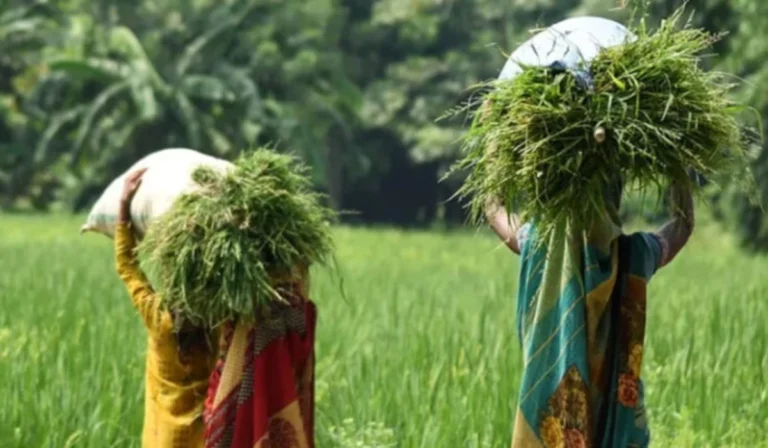
Growing export demand from China may influence rice market dynamics by supporting stronger buying activity from Pakistani suppliers. Increased demand can create positive conditions for farmers, millers, and exporters by improving market confidence and encouraging higher production planning.
However, exporters must also manage supply chain efficiency to maintain competitive pricing. Factors such as crop availability, milling capacity, transportation costs, and port operations will remain important considerations for maintaining stable rice prices.
For international rice importers, stronger Pakistan-China trade relations could lead to improved supply availability and more efficient sourcing opportunities. Exporters that maintain consistent quality and reliable logistics will be better positioned to compete in international markets.
How Are Trade Agreements Supporting Pakistan’s Rice Industry?
The China-Pakistan Free Trade Agreement (CPFTA) continues to play an important role in expanding commercial opportunities between both countries. Trade preferences under the agreement have helped increase Pakistan’s access to the Chinese market, supporting exports across multiple sectors.
Future developments under CPFTA Phase III could further improve market opportunities by covering additional tariff lines, including agricultural categories where Pakistan has strong export potential. Expanded trade facilitation may benefit rice exporters by reducing barriers and encouraging stronger long-term partnerships.
For global rice buyers, improved trade frameworks provide greater confidence when building supply relationships with Pakistani exporters.
What Are the Logistics Opportunities for Rice Exporters?
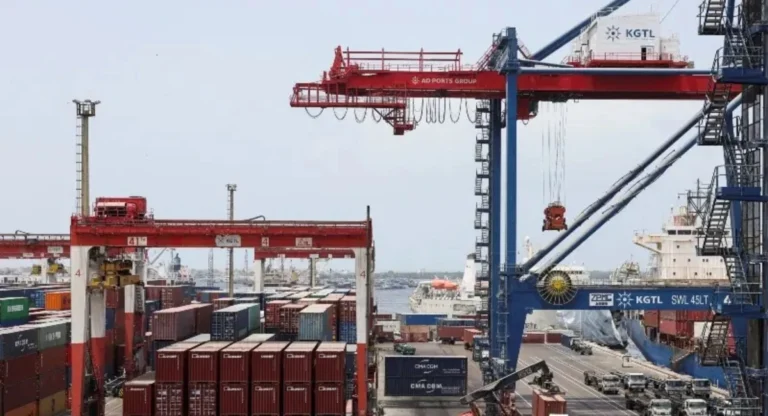
The growth in Pakistan-China trade is also highlighting the importance of efficient logistics networks. Emerging trade corridors, including routes connected through the China-Pakistan Economic Corridor (CPEC), may create new possibilities for faster and more flexible movement of goods.
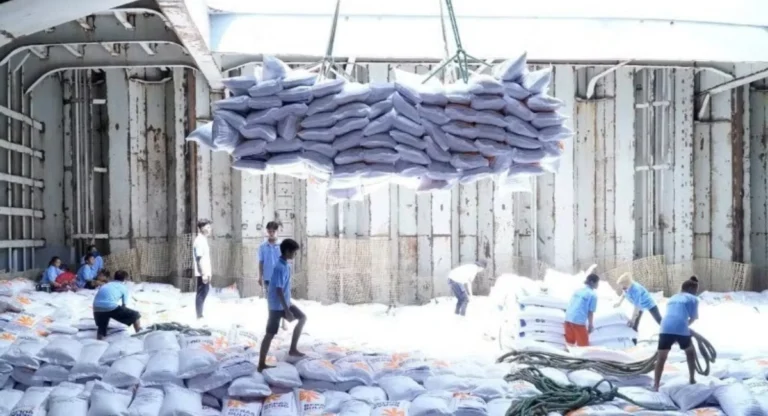
Although maritime shipping remains a key method for bulk rice exports, improved regional connectivity could support additional trade options in the future. Better logistics infrastructure can help exporters reduce delivery challenges and improve competitiveness.
For distributors and wholesalers, reliable logistics are essential for maintaining consistent inventory levels and meeting customer demand across international markets.
Why Are International Rice Buyers Watching Pakistan Closely?
Pakistan’s export growth demonstrates the country’s increasing importance in global rice trade. International buyers are looking for suppliers that can provide quality products, competitive pricing, and dependable delivery schedules.
With strong production capacity and a growing export network, Pakistan continues to attract attention from rice importers across Asia, the Middle East, Africa, and other regions.
For Basmati rice buyers, Pakistan remains a preferred sourcing destination due to its heritage, quality standards, and export expertise. The latest China trade growth further reinforces Pakistan’s position as a major player in the international rice industry.
What Could Be the Long-Term Impact on Pakistan’s Rice Industry?
The expansion of Pakistan’s exports to China could encourage further investment in rice processing, quality improvement, and export infrastructure. Increased international demand may motivate exporters to focus on value-added products, improved packaging, and stronger global branding.
For the wider rice industry, stronger export relationships can create opportunities for farmers, processors, logistics providers, and international trading companies.
As competition in the global rice market continues, Pakistan’s ability to deliver consistent quality and reliable supply will remain essential for maintaining growth.